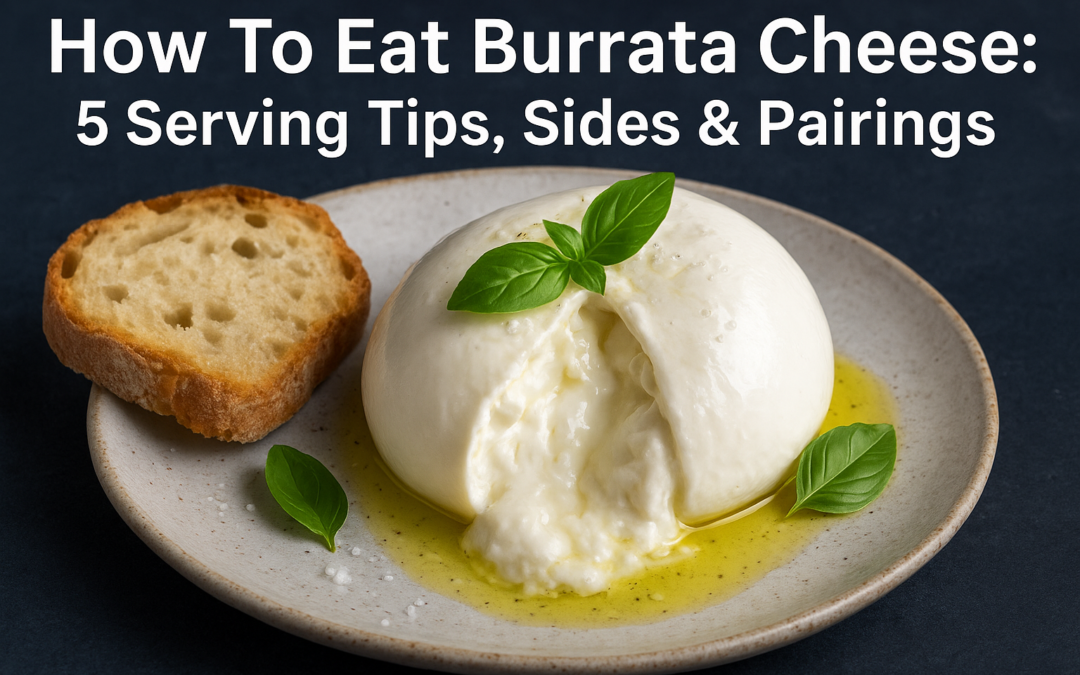
Burrata looks like mozzarella’s fancier cousin, and honestly, it is. That creamy, pillowy ball of fresh Italian cheese has a surprise inside: a soft, stracciatella center that spills out when you cut into it. If you’ve been wondering how to eat burrata cheese the right way, you’re not alone. Many people hesitate, unsure whether to slice it, tear it, or dive in with a spoon. The good news? There’s no wrong answer, but there are definitely ways to make the experience better.
At La Dolce Vita Cucina, we celebrate authentic Italian flavors in Chicago’s Portage Park neighborhood, and burrata holds a special place in that tradition. This cheese deserves more than just a spot on your plate, it deserves the right temperature, the perfect pairings, and a little know-how.
Below, you’ll find five practical tips for serving burrata, along with sides and pairings that bring out its rich, buttery flavor. Whether you’re hosting a dinner party or simply treating yourself, these ideas will help you enjoy burrata at its absolute best.
1. Start with burrata at La Dolce Vita Cucina
Learning how to eat burrata cheese becomes much easier when you start with the real thing. At La Dolce Vita Cucina in Chicago’s Portage Park neighborhood, we prepare burrata the way it’s meant to be enjoyed: fresh, simple, and with carefully chosen ingredients that enhance rather than overpower its delicate flavor. You’ll taste the difference when the cheese arrives at your table, still soft and creamy, paired with elements that bring out its natural richness.
What to do
Your best move is to order burrata as an appetizer and let it set the tone for your meal. The cheese comes from trusted sources and gets handled with the same care you’d expect from an authentic Italian kitchen. When it arrives, you’ll notice the presentation highlights the cheese itself, not a bunch of unnecessary garnishes. Take your time with each bite, alternating between the creamy interior and whatever accompaniments come alongside. You should use good bread to scoop up the soft center, making sure nothing goes to waste on the plate.
Best pairings
At La Dolce Vita Cucina, burrata pairs beautifully with seasonal tomatoes and fresh basil when available. The combination creates a classic Italian flavor profile that lets the cheese shine without competing for attention. You can also enjoy it with prosciutto, arugula, or a drizzle of quality olive oil depending on what’s featured that evening. Each pairing is intentional, designed to complement the burrata’s mild sweetness and buttery texture.
The right pairings elevate burrata from good to unforgettable.
Consider adding a glass of crisp white wine or a light red to complete the experience.
Mistakes to avoid
Don’t rush through this course just to get to the main dish. Burrata deserves your full attention for at least a few minutes, and you’ll miss its subtlety if you’re distracted. Another common mistake is over-seasoning or adding too many competing flavors at once. The cheese itself is the star, and everything else should support it. Skip the urge to cut it into tiny pieces immediately. Instead, tear or slice gently, allowing the creamy center to spill naturally onto your plate.
2. Serve burrata at room temperature
Cold burrata loses much of its appeal. The creamy interior becomes firmer and less spreadable, and the delicate flavors get muted when the cheese sits in the fridge too long. If you want to know how to eat burrata cheese the way it’s meant to be enjoyed, temperature matters just as much as presentation. You’ll taste a significant difference once the cheese warms up properly.
What to do
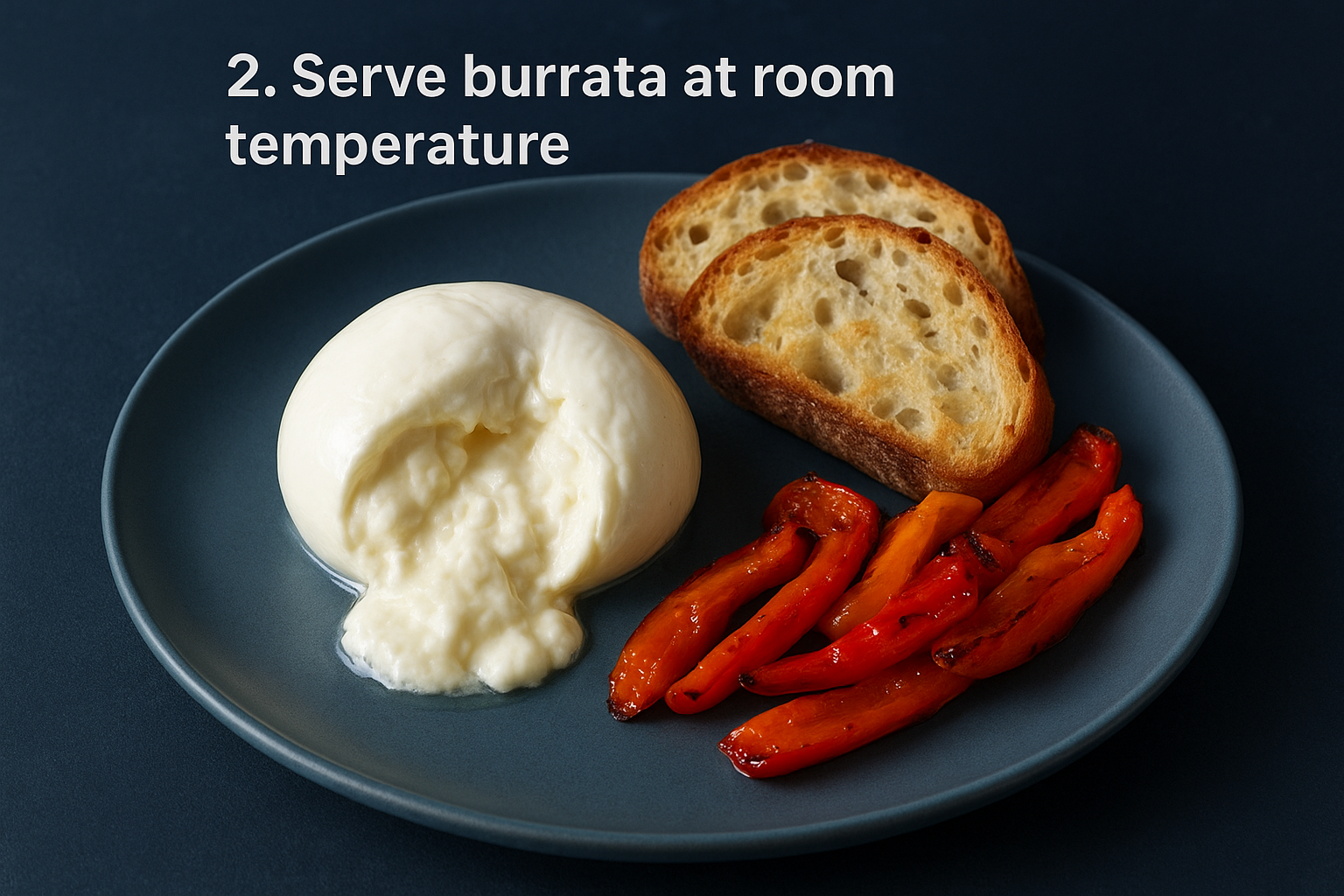
Remove your burrata from the refrigerator at least 30 minutes before serving. Place it on a plate and let it sit on your counter, away from direct sunlight or heat sources. The cheese should feel soft to the touch and look slightly relaxed, not tight and cold. You can speed up the process by placing the wrapped cheese in lukewarm water for a few minutes, but room temperature air works best for even warming. Check the cheese by gently pressing the surface; it should yield easily without feeling cold.
Best pairings
Room temperature burrata pairs perfectly with crusty bread that’s also been warmed slightly. The contrast between the cool creamy center and warm bread creates an ideal texture combination. You can also serve it alongside roasted vegetables that have cooled to room temperature, such as bell peppers or zucchini. Fresh fruits like figs or peaches work particularly well when they match the cheese’s temperature.
Mistakes to avoid
Don’t serve burrata straight from the fridge. Your guests will miss the full buttery flavor that only appears when the cheese warms up. Another mistake is leaving it out too long in a warm kitchen, which can cause the outer shell to break down prematurely or develop an off texture.
Temperature transforms burrata from bland to brilliant.
3. Cut it open and eat the outer skin too
The outer shell of burrata is completely edible and adds texture to every bite. Many first-time burrata eaters wonder if they should peel it away or leave it on the plate, but that would mean missing out on part of the cheese. Understanding how to eat burrata cheese includes knowing that the mozzarella casing serves a purpose beyond just holding the creamy center together. You get a satisfying contrast when you combine the firmer exterior with the soft, spreadable interior.
What to do
Cut into the burrata with a sharp knife, making one clean slice through the center. The creamy stracciatella should spill out naturally, creating a small pool on your plate. You can tear the outer mozzarella into bite-sized pieces and use them to scoop up the interior, or you can eat both parts together in each forkful. The skin adds a mild, milky flavor that balances the richness of the cream.
The outer skin isn’t packaging; it’s part of the experience.
Best pairings
Pair both the skin and center with crusty bread that can handle the moisture without falling apart. Fresh basil leaves also work well, giving you herbaceous notes that complement the mild cheese. Olive oil drizzled over the entire surface ties everything together.
Mistakes to avoid
Don’t discard the outer layer thinking it’s too chewy or bland. The texture difference is intentional and adds structure to your dish. Another mistake is cutting the burrata into too many pieces before serving, which causes the cream to spread out and lose its visual appeal.
4. Season simply and serve with the right bread
Burrata doesn’t need complicated seasonings or elaborate preparations. The cheese itself carries enough flavor that you only need a few quality ingredients to make it shine. When you’re figuring out how to eat burrata cheese, remember that less is more. Your focus should be on enhancing the natural creaminess, not masking it with heavy sauces or overpowering spices.
What to do
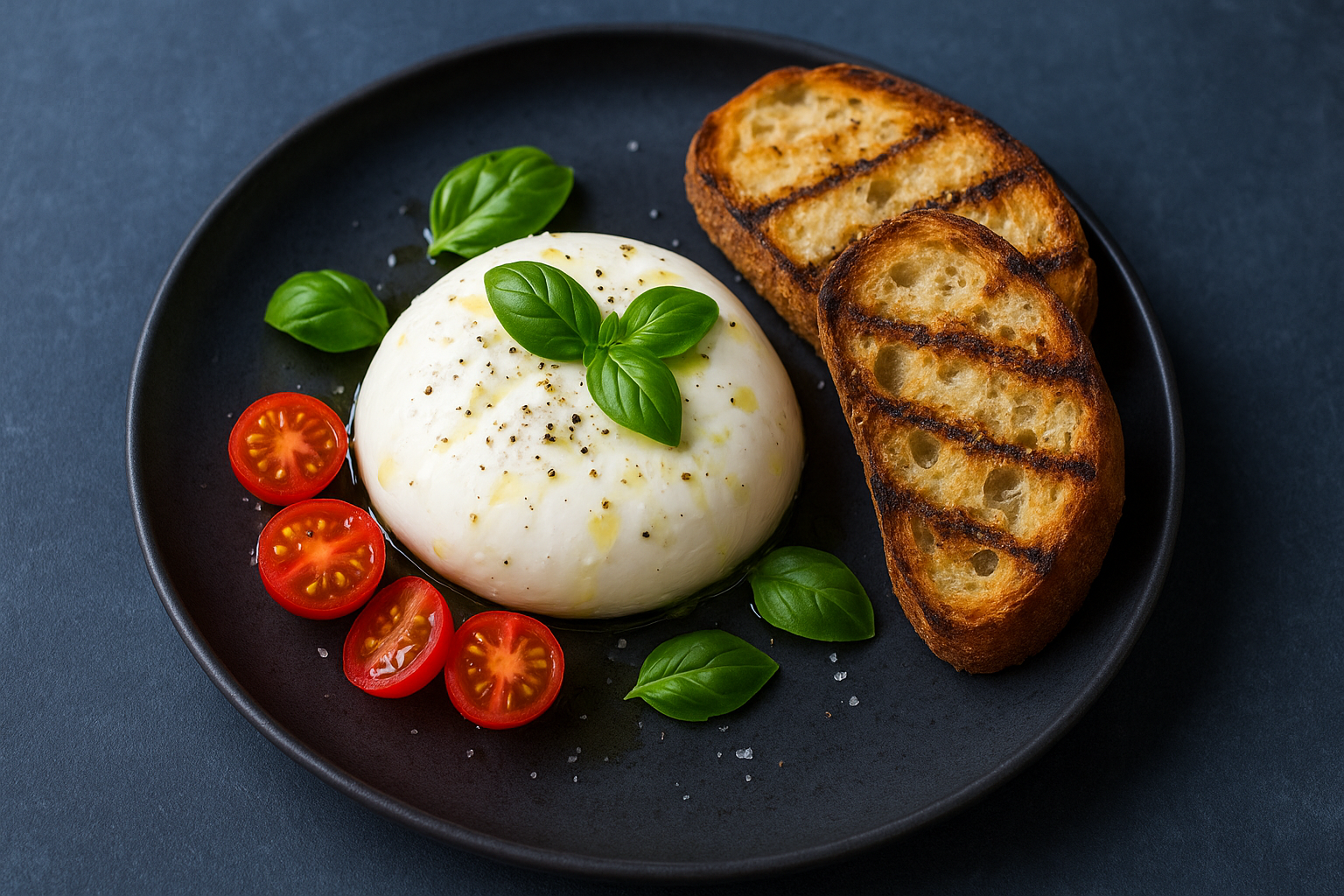
Start with a light drizzle of high-quality extra virgin olive oil across the entire surface of your burrata. Add a pinch of flaky sea salt and a few cracks of black pepper to bring out the cheese’s subtle sweetness. Fresh basil leaves can be torn and scattered on top, but avoid overdoing it. The bread you choose matters just as much as the seasoning. Look for a rustic loaf with a sturdy crust that can handle the moisture from the cheese without becoming soggy. Ciabatta, sourdough, and country-style bread all work well.
Best pairings
Serve your seasoned burrata with grilled or toasted bread slices that have been brushed lightly with olive oil. Cherry tomatoes work beautifully alongside, especially when halved and seasoned with the same salt and oil. Balsamic glaze adds a sweet-tart element that complements the mild cheese without overwhelming it.
Simple seasonings let burrata’s natural flavor take center stage.
Mistakes to avoid
Don’t dump heavy dressings or thick sauces over your burrata. The cheese will lose its delicate character under too much weight. Another common mistake is choosing soft, fluffy bread that turns mushy on contact. You need structure to scoop up the creamy interior properly.
5. Use burrata in salads, pizza, pasta, and dessert
Burrata works in far more dishes than you might expect. Once you understand how to eat burrata cheese in its simplest form, you can start incorporating it into complete meals that showcase its versatility. The creamy interior adds richness to salads, melts beautifully over hot pizza, transforms pasta dishes, and even brings unexpected luxury to desserts.
What to do
Add burrata to your green salads just before serving, placing it whole or torn into large pieces on top. The cream will mix with your dressing and create a richer coating for the greens. For pizza, tear burrata into chunks and distribute them over the surface after the pie comes out of the oven, allowing residual heat to soften the cheese without fully melting it. Toss burrata with hot pasta in the final moments of cooking, letting the cream coat each strand. You can even serve it alongside fruit-based desserts like grilled peaches or berry compotes for a savory-sweet contrast.
Best pairings
Burrata pairs exceptionally well with arugula and cherry tomatoes in salads, creating the classic Caprese combination with added creaminess. On pizza, it works beautifully with prosciutto, fresh basil, or roasted vegetables. Pasta dishes benefit from burrata when combined with lemon zest, peas, or roasted garlic. For dessert applications, try it with balsamic-glazed strawberries or honey-drizzled figs.
Burrata transforms everyday dishes into restaurant-quality meals.
Mistakes to avoid
Don’t cook burrata directly or add it too early. The cheese should warm through contact with hot food, not melt completely into an oily puddle. Another mistake is overwhelming the dish with too much burrata, which makes everything taste one-note instead of balanced.
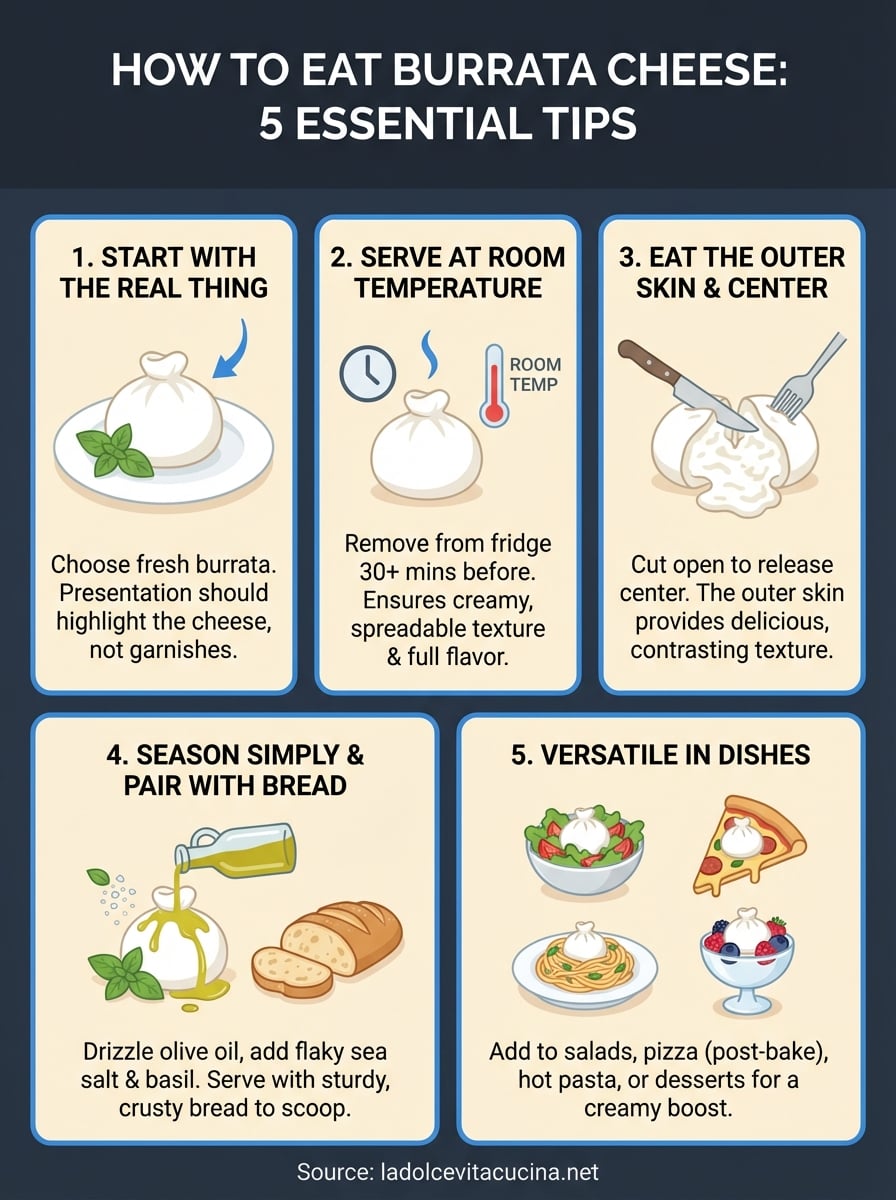
Quick recap
You now know how to eat burrata cheese like someone who truly appreciates authentic Italian flavors. Start by serving it at room temperature for the best creamy texture, then cut it open and enjoy both the outer skin and the luscious interior together. Simple seasonings like olive oil, sea salt, and fresh basil let the cheese speak for itself, while the right crusty bread provides structure for scooping up every creamy bit. These fundamentals transform burrata from just another appetizer into something genuinely special.
Burrata works beautifully in salads, on pizza, tossed with pasta, or even paired with fruit for dessert. Each application showcases the cheese’s versatility without losing its essential character. The key is treating burrata with respect and simplicity, allowing its natural richness to shine through without unnecessary complications or heavy-handed preparations.
Experience burrata prepared the authentic way at La Dolce Vita Cucina in Chicago’s Portage Park neighborhood, where fresh ingredients and traditional Italian techniques create memorable dining moments worth repeating.