
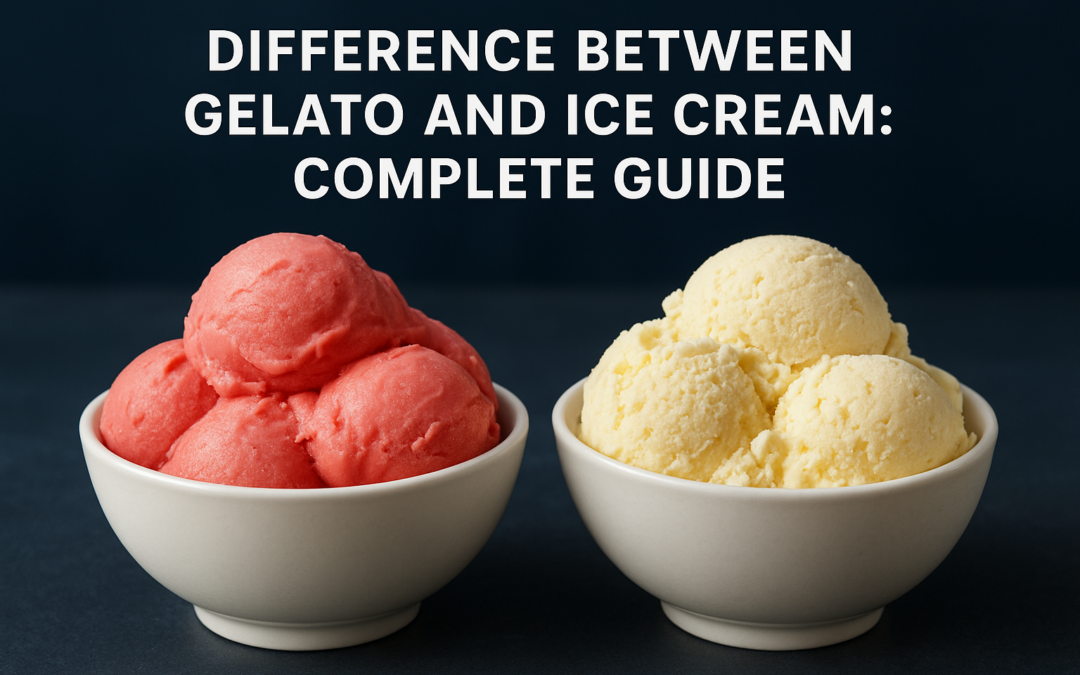
At La Dolce Vita Cucina, we craft house-made gelato daily in our Portage Park kitchen, so we get asked about the difference between gelato and ice cream all the time. The short answer? They’re not the same thing. The ingredients, texture, temperature, and even the way they’re churned set these two frozen desserts apart in ways that affect every single bite.
Most people assume gelato is just the Italian word for ice cream. It’s an easy mistake, but once you understand what makes each one unique, you’ll never confuse them again. From fat content and air ratios to serving temperatures that change how flavors hit your palate, these distinctions matter, especially if you’re trying to make a more informed choice at the dessert counter.
This guide breaks down everything you need to know: ingredients, production methods, nutritional differences, and why authentic Italian gelato delivers a denser, more intense experience than its American counterpart.
Why the gelato vs ice cream difference matters
Understanding the difference between gelato and ice cream changes how you order, what you expect, and whether you get your money’s worth. These aren’t just two names for the same dessert. The production methods, ingredient ratios, and serving styles create fundamentally different eating experiences that affect flavor intensity, texture, and nutritional content.
Flavor and texture impact
Gelato delivers a denser, more concentrated flavor because it contains less air and is served at a warmer temperature than ice cream. When you eat ice cream straight from the freezer, the cold dulls your taste buds and masks subtle flavors. Gelato is served at around 10 to 15 degrees Fahrenheit warmer, which means your palate picks up nuances you’d miss with ice cream. The lower fat content also plays a role. Since fat coats your tongue, less fat means more direct flavor contact with your taste receptors.
Lower fat and warmer serving temperatures allow gelato’s flavors to hit your palate more directly than ice cream.
Texture matters just as much. Ice cream gets churned at high speeds, incorporating up to 50% air by volume. Gelato uses slower churning, adding only about 25% air. That difference means gelato feels heavier and creamier in your mouth, while ice cream feels lighter and fluffier.
Nutritional and dietary considerations
You might assume gelato is healthier because it has less fat than ice cream, but that’s not the full picture. While a typical serving of ice cream contains 14 to 25% butterfat, gelato usually sits between 4 and 9%. However, some gelato recipes compensate with higher sugar content to maintain richness and prevent ice crystals from forming during freezing. Knowing these differences helps you make better choices based on your dietary goals and preferences.
How gelato and ice cream are made
The production methods for gelato and ice cream start with similar base ingredients but diverge quickly once churning begins. Both desserts get their foundation from milk, cream, sugar, and flavorings, but the ratio of each ingredient and the mechanical process used to freeze them create the difference between gelato and ice cream you taste in every spoonful. Understanding these production differences explains why one feels dense and creamy while the other feels light and fluffy.
The churning process
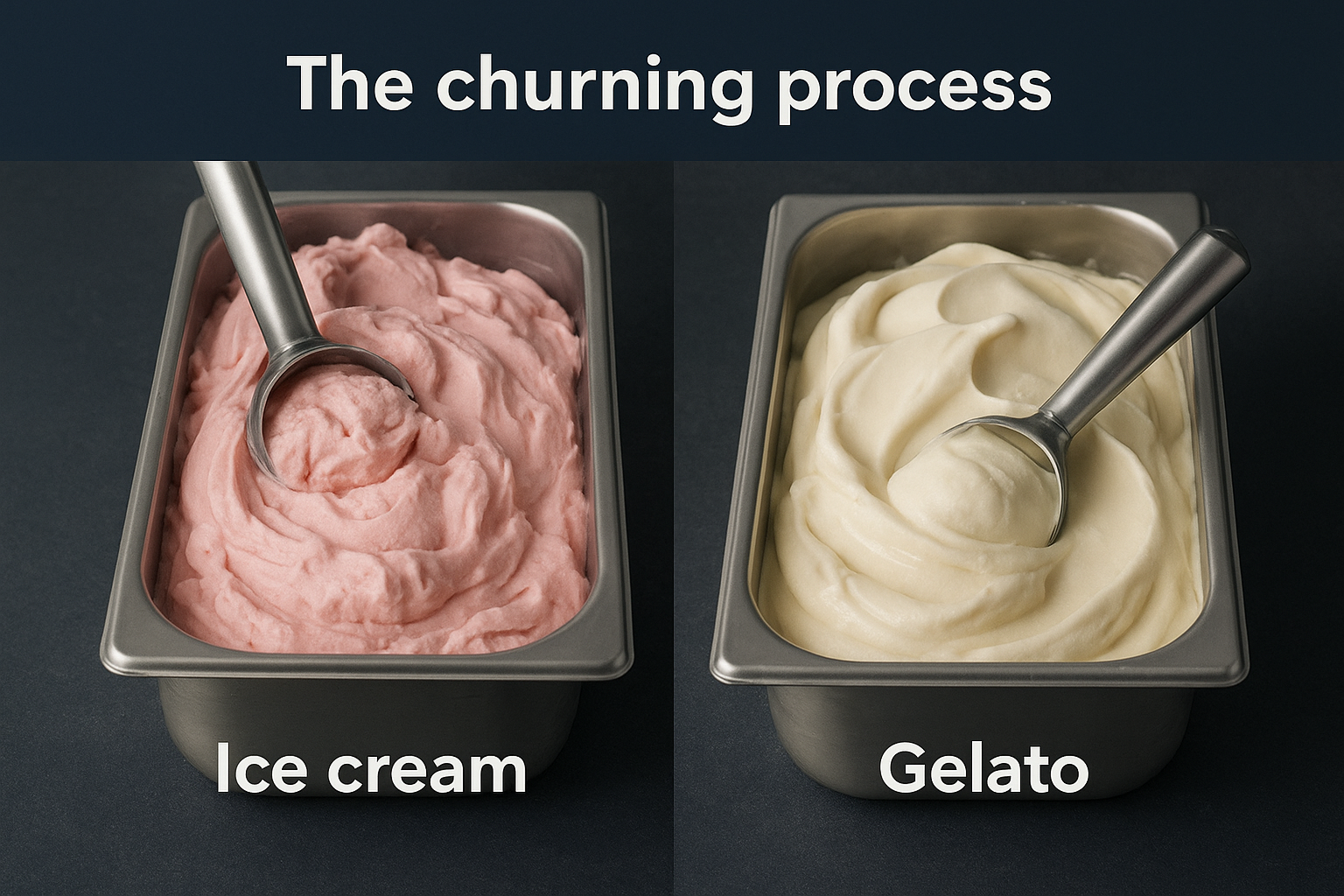
Ice cream gets churned at high speeds in industrial machines that whip large amounts of air into the mixture. This rapid churning process incorporates 25% to 50% air by volume, which the industry calls "overrun." You can buy premium ice cream with lower overrun, but most commercial brands maximize air content to increase volume and reduce production costs. Gelato uses a slower churning method that introduces only about 20% to 30% air. This minimal overrun creates a denser product that packs more intense flavor into each serving.
Temperature and freezing technique
Manufacturers freeze ice cream at much colder temperatures than gelato, typically between -5°F and 0°F. This deep freeze creates a firmer texture that holds its shape longer but requires you to let it soften before scooping. Gelato producers maintain freezing temperatures between 10°F and 15°F, which keeps the mixture soft enough to serve immediately while preserving its silky texture.
Warmer storage temperatures allow gelato to maintain its characteristic soft, dense consistency without becoming rock solid.
Ingredient and fat content differences
The biggest difference between gelato and ice cream shows up in the base ingredient proportions you use to make each one. Ice cream relies heavily on heavy cream and egg yolks to achieve its characteristic richness, while gelato prioritizes whole milk with minimal cream. This fundamental shift in dairy ratios creates the distinct fat content that defines each dessert and determines how flavors develop on your palate.
Milk vs cream ratios
Traditional gelato recipes call for a milk-to-cream ratio that heavily favors milk, sometimes using milk exclusively with no added cream at all. When you make ice cream, you flip that ratio to include significantly more heavy cream than milk, often in a 2:1 or 3:1 proportion. Egg yolks appear frequently in ice cream recipes to add extra fat and create a custard base, while authentic Italian gelato uses fewer eggs or eliminates them entirely. These ingredient choices directly impact the final fat percentage and how smoothly each dessert freezes.
Higher milk content in gelato allows fruit and nut flavors to shine through without heavy cream masking their natural taste.
Fat content by the numbers
Ice cream must contain at least 10% butterfat to meet U.S. federal standards, with premium brands reaching 16% to 25%. Gelato typically ranges from 4% to 9% butterfat, giving you a lighter base that lets other ingredients take center stage. You’ll notice this difference most clearly in fruit-based flavors, where lower fat content prevents the cream from overwhelming delicate notes.
Texture, air, and serving temperature
The physical characteristics of gelato and ice cream create the most noticeable difference between gelato and ice cream when you take that first bite. Air content, serving temperature, and texture work together to determine whether your dessert feels light and fluffy or dense and silky. These factors also control how quickly flavors hit your palate and how long the dessert maintains its shape on a hot day.
Air content and mouthfeel
Ice cream contains up to 50% air by volume, which the industry measures as overrun. When you scoop premium ice cream, you’re getting nearly half air and half actual frozen mixture. Gelato keeps air content between 20% and 30%, which explains why you feel like you’re eating something more substantial. This lower overrun makes gelato denser and gives it a silkier mouthfeel that coats your tongue differently than the lighter, fluffier texture of ice cream.
Less air in gelato means you taste more actual product per spoonful, delivering concentrated flavor with every bite.
Temperature effects on taste
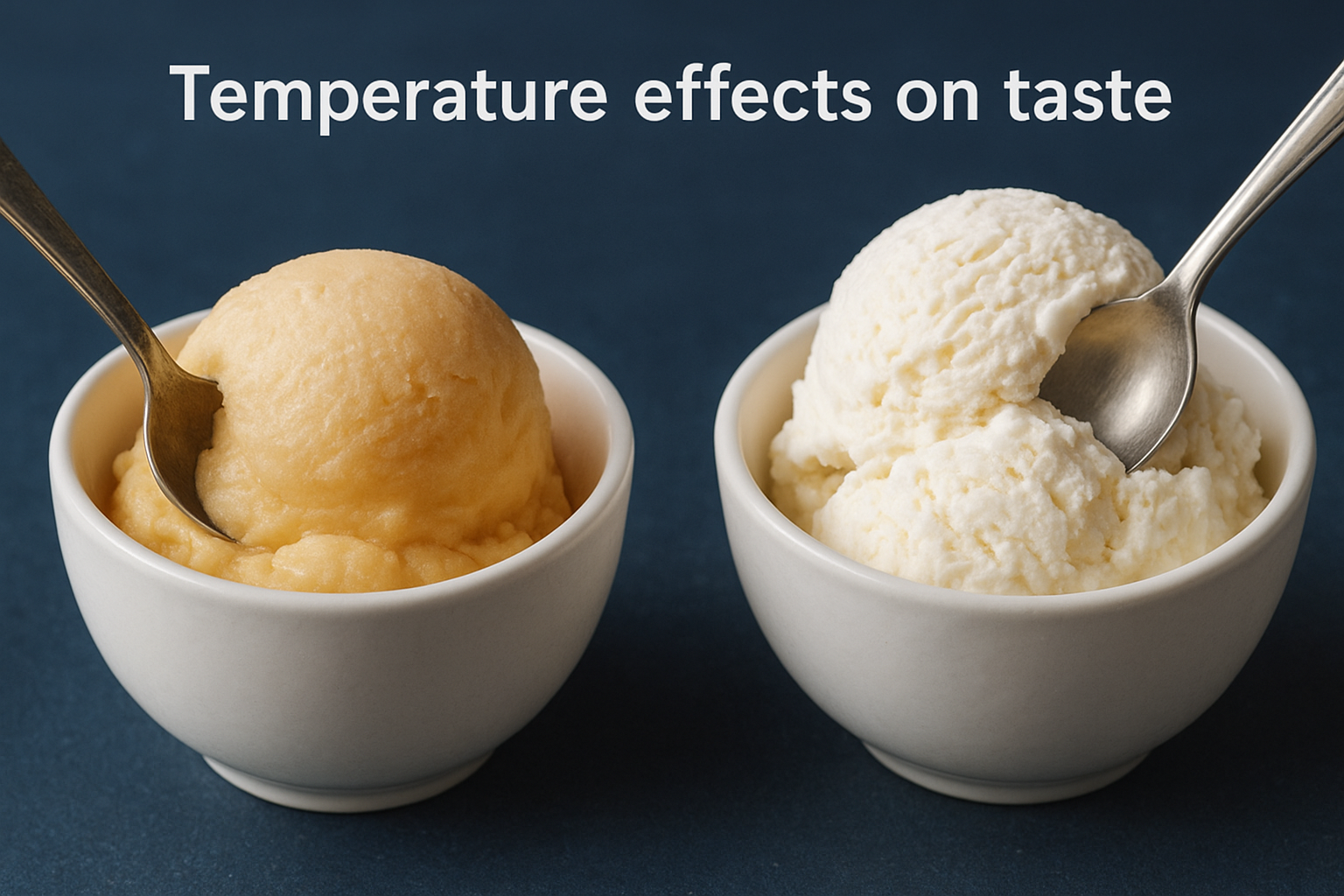
Gelato gets served at warmer temperatures that keep it soft and spreadable straight from the display case. You can dig your spoon into gelato immediately, while ice cream often needs several minutes to soften after you pull it from the freezer. This temperature difference directly affects flavor perception. Your taste buds detect sweetness and subtle notes more easily at warmer temperatures, which explains why gelato tastes more intense than ice cream even when both use similar flavorings.
Nutrition, labels, and common questions
You need to read labels carefully because the difference between gelato and ice cream extends beyond taste into nutritional territory that affects your dietary choices. Both desserts contain similar base ingredients, but portion sizes, sugar content, and fat percentages vary enough to matter when you’re tracking calories or managing specific health goals. Labels don’t always tell the full story, and common misconceptions about which dessert is "healthier" often miss important context.
Reading nutrition labels correctly
Pay attention to serving size before comparing calorie counts between gelato and ice cream. A typical gelato serving contains 150 to 200 calories per half cup, while ice cream ranges from 130 to 250 calories for the same amount. You’ll find lower fat in gelato, but manufacturers often add extra sugar to compensate for reduced creaminess. Check the ingredient list for additives like stabilizers and emulsifiers that appear more frequently in commercial ice cream than artisan gelato.
Lower fat doesn’t automatically mean fewer calories when sugar content increases to maintain texture and sweetness.
Answering common questions
Many people ask whether gelato contains dairy. Traditional gelato uses milk as its base ingredient, making it unsuitable for strict vegan diets unless you choose a dairy-free version. You can find lactose-free options for both desserts, though they’re more common with ice cream brands. Another frequent question involves freezer storage: ice cream keeps longer in home freezers because its lower serving temperature prevents ice crystals from forming as quickly as they do in gelato.
Your quick takeaway
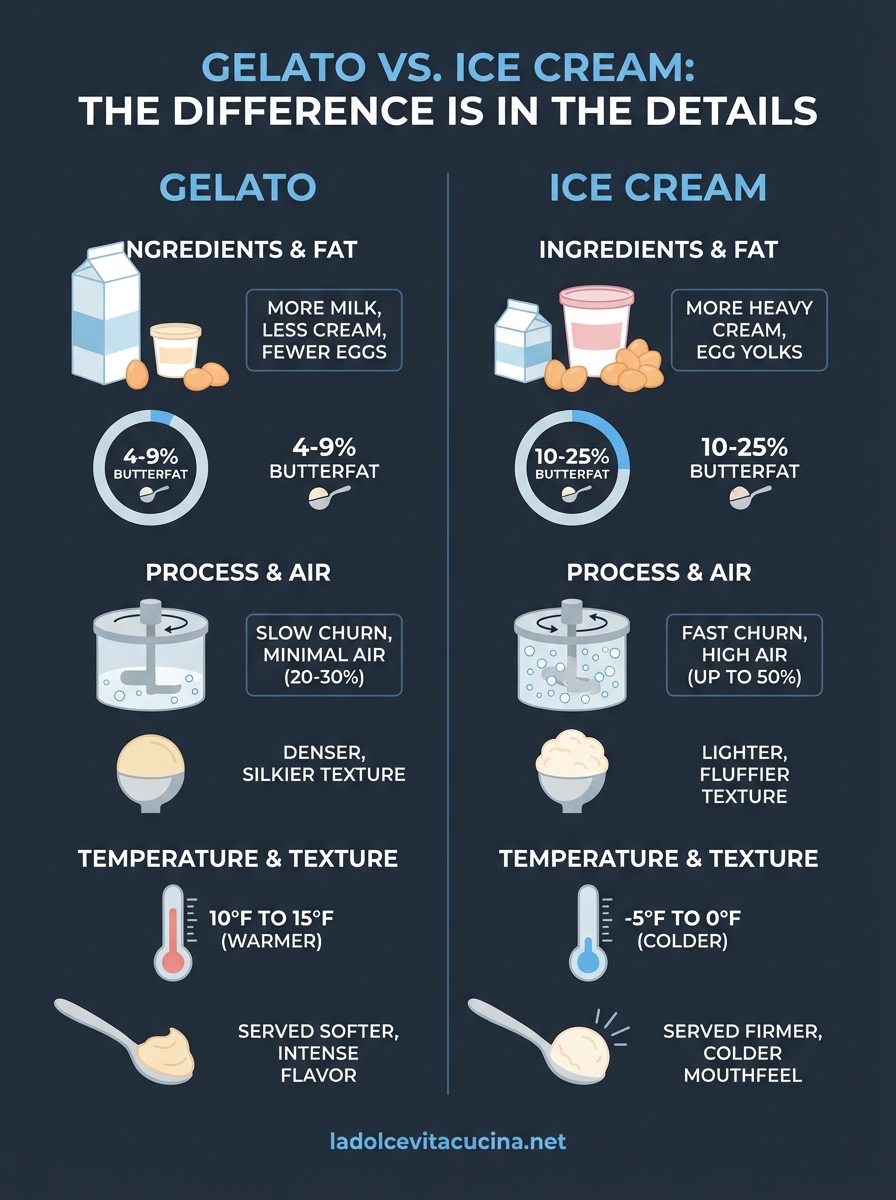
The difference between gelato and ice cream comes down to three core factors: fat content, air incorporation, and serving temperature. Gelato uses more milk than cream, gets churned slowly to minimize air, and stays soft at warmer temperatures. Ice cream relies on heavy cream, gets whipped with up to 50% air, and sits frozen solid until you let it thaw. You’ll taste these differences immediately: gelato delivers denser texture and more intense flavor, while ice cream offers a lighter, fluffier experience that feels colder on your tongue.
Now that you understand what sets these desserts apart, you can order with confidence and know exactly what you’re getting. We make house-made gelato fresh every day at La Dolce Vita Cucina in Portage Park, using traditional Italian methods that prioritize authentic flavor and texture. Stop by to taste the difference yourself and see why we choose lower fat content and slower churning to create gelato that captures the sweet life in every spoonful.