
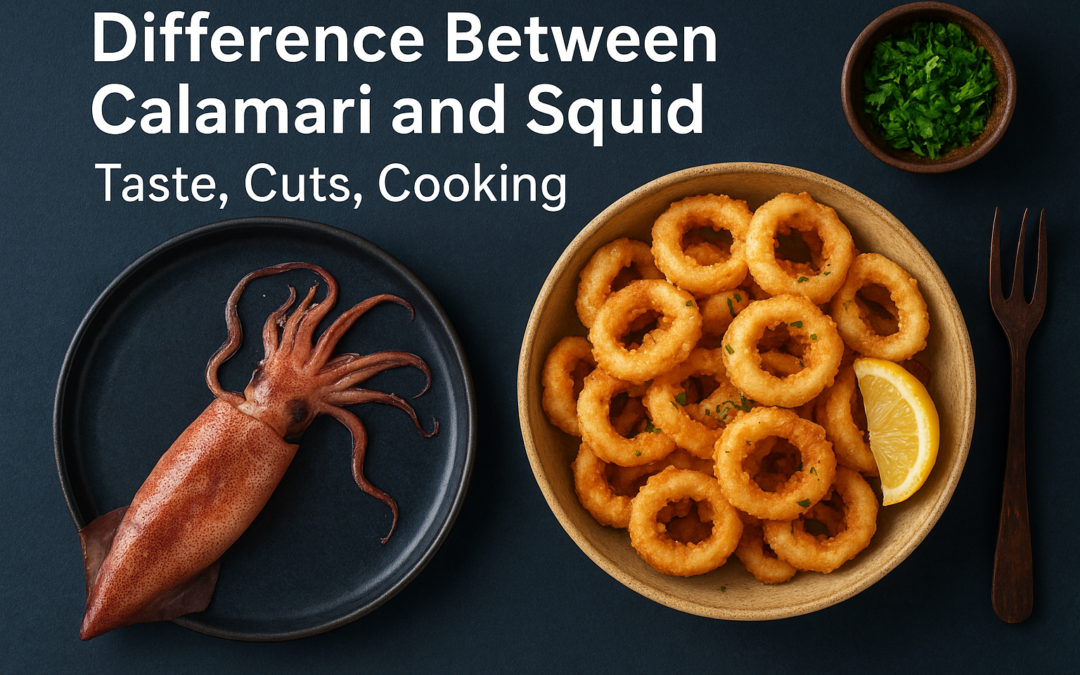
Walk into any Italian restaurant and you’ll likely spot calamari on the menu. But if you’ve ever wondered about the difference between calamari and squid, you’re not alone. Many diners assume these terms mean exactly the same thing, and they’re partially right. Calamari is the Italian word for squid. In American kitchens and on restaurant menus, though, the distinction goes beyond simple translation.
At La Dolce Vita Cucina in Chicago’s Portage Park neighborhood, we serve seafood that honors authentic Italian cooking traditions. Understanding what lands on your plate matters to us, and it should matter to you, too. The difference between these two terms affects texture, taste, and how your dish gets prepared.
This article covers the biological basics, culinary conventions, and cooking techniques that separate calamari from squid in practice. You’ll learn which cuts work best for specific dishes, how preparation methods impact flavor, and what to expect when ordering at your favorite Italian spot.
Why squid and calamari get mixed up
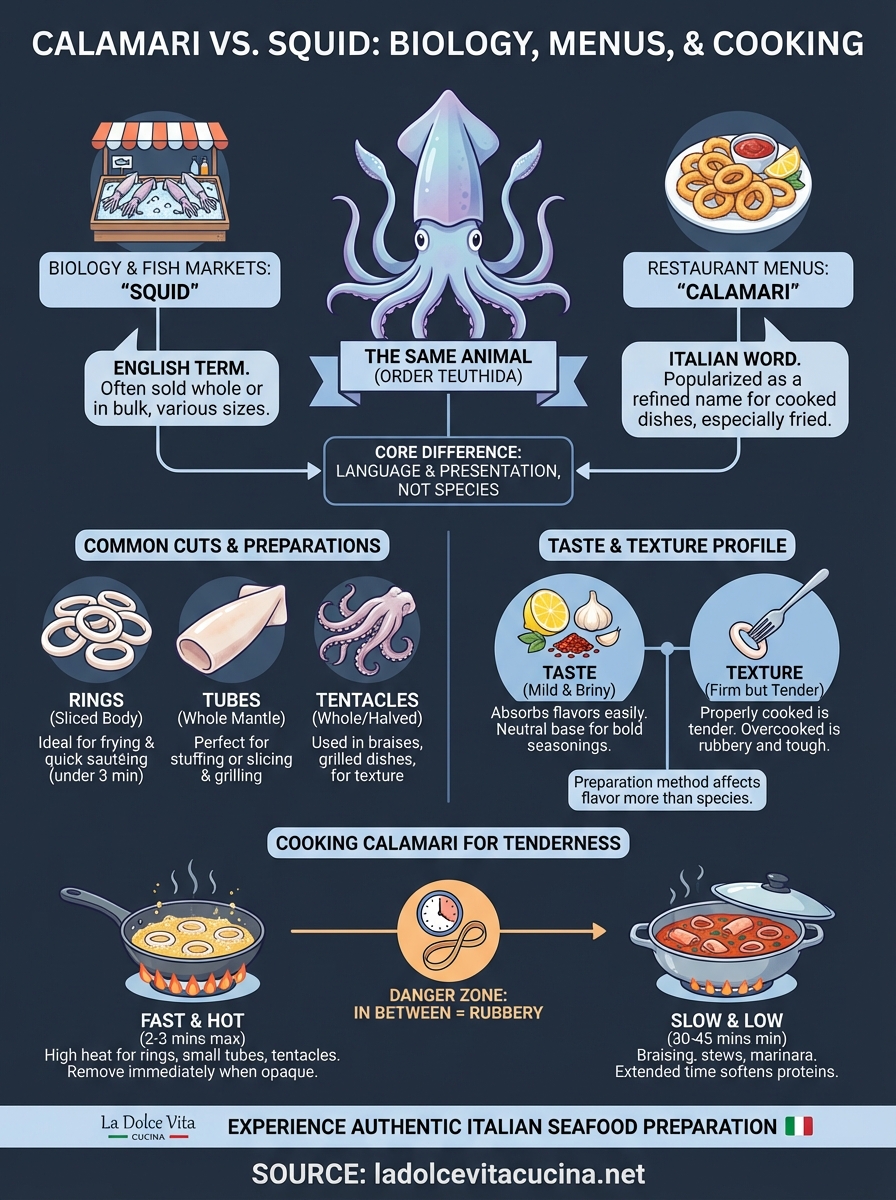
You’re looking at the same sea creature whether someone calls it squid or calamari. The confusion stems from language translation, not biology. Squid is the English term for the marine animal in the order Teuthida, while calamari comes from the Italian word for the same animal. Italian restaurants in the United States popularized calamari as the menu name, and that convention stuck.
The restaurant naming game
Most American restaurants use "calamari" exclusively for cooked preparations, particularly fried appetizers. You’ll see this pattern across Italian menus, seafood restaurants, and casual dining spots. Walk into La Dolce Vita Cucina or any comparable establishment, and the fried rings arrive under the calamari label. This menu convention creates artificial separation between what shoppers see at fish markets (squid) and what diners order at restaurants (calamari).
The naming split also carries subtle marketing advantages. "Calamari" sounds more refined and appetizing to American ears than "fried squid rings." Restaurant owners learned decades ago that Italian terminology made unfamiliar seafood more approachable to hesitant customers.
When you order calamari at a restaurant, you’re getting squid. The difference lies in presentation and preparation, not the animal itself.
Size and species complicate things further
Commercial squid comes in multiple species and sizes, which adds another layer of confusion. Smaller squid varieties typically end up as tender calamari appetizers, while larger squid species work better for steaks or stuffed preparations. Fish markets might sell "squid" in various sizes, but restaurants often reserve the calamari label for specific cuts from smaller specimens. This size-based distinction isn’t universal, though, and varies by region and restaurant tradition.
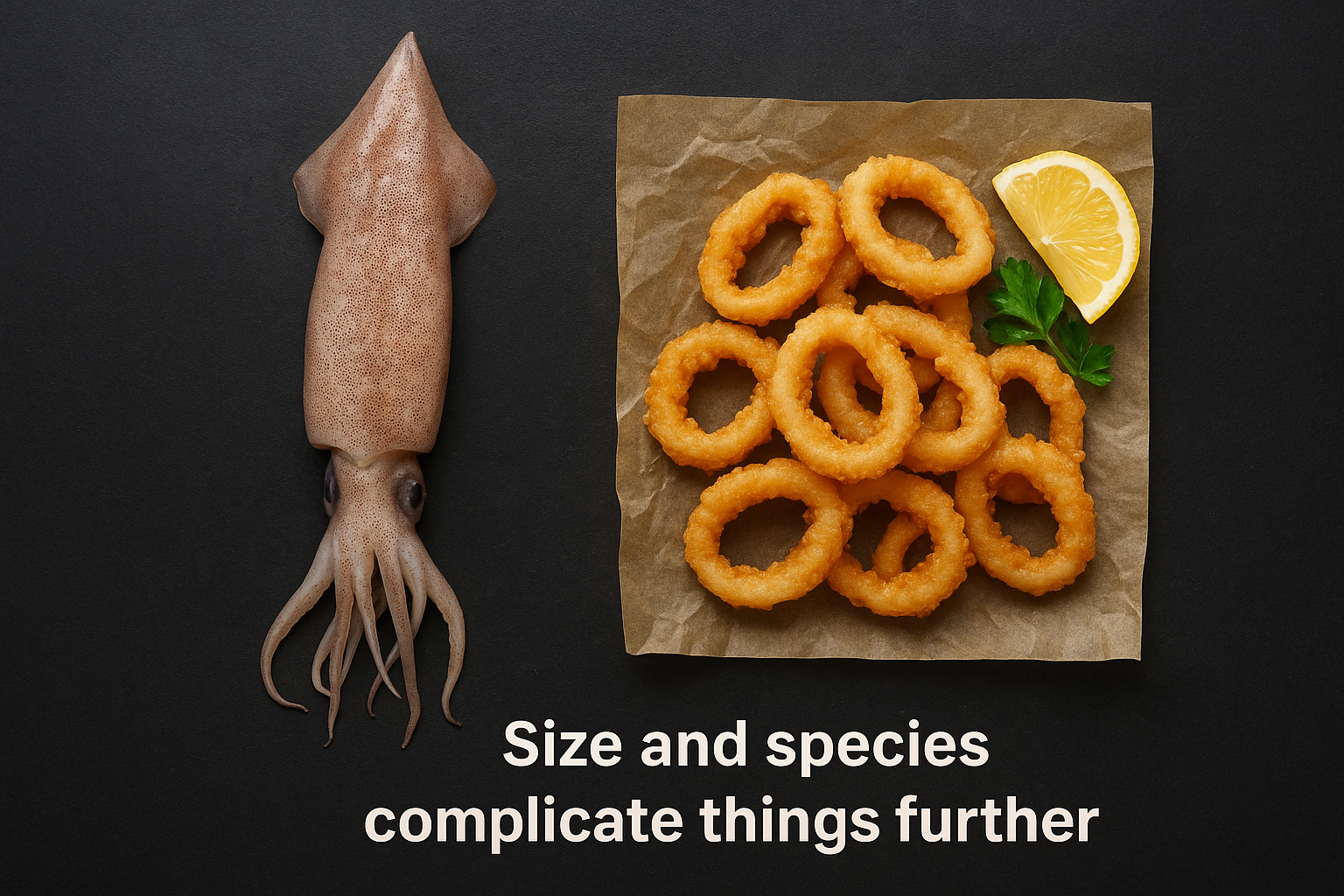
Squid vs calamari: biology vs menu language
The difference between calamari and squid exists only in human language, not in marine biology. Scientists classify all squid under the order Teuthida, which includes over 300 species worldwide. These cephalopods share common features: eight arms, two longer tentacles, internal shells called pens, and the ability to expel ink when threatened. No biologist separates squid into distinct "calamari" and "squid" categories because the distinction doesn’t exist in nature.
The biological reality
Your fishmonger sells the same animal whether the sign reads squid or calamari. Common commercial species include European squid (Loligo vulgaris) and longfin inshore squid (Doryteuthis pealeii) in Atlantic waters. Pacific markets typically stock Humboldt squid or various smaller species. These animals all belong to the same taxonomic order, and their biological makeup remains identical regardless of what label appears on the menu or market tag.
How menus use the terms
Restaurants apply the calamari label to cooked preparations that highlight Italian cooking methods. You’ll find fried calamari, grilled calamari, or calamari in marinara sauce on Italian menus. The squid terminology typically appears in Asian restaurants, fish markets, and casual seafood spots. This naming convention reflects cultural cooking traditions rather than any actual difference in the animal you’re eating.
The terminology shift happens in the kitchen, not in the ocean.
Taste and texture differences you can actually notice
The difference between calamari and squid in terms of actual taste is minimal when you compare the same species prepared the same way. Fresh squid tastes mildly sweet and slightly briny, with a flavor that doesn’t overpower other ingredients. This neutral profile explains why squid works well with bold seasonings like garlic, lemon, and red pepper flakes.
When preparation affects flavor more than species
Your cooking method determines flavor intensity far more than what you call the animal. Grilled squid develops charred, smoky notes that differ dramatically from breaded and fried versions. La Dolce Vita Cucina’s preparation techniques showcase how marinades, breading, and sauces create the flavor profiles you associate with calamari dishes. The animal provides texture and absorbs surrounding flavors rather than dominating the dish.
The cooking method shapes your experience more than the menu terminology.
Texture variations that matter
Properly cooked squid feels firm but tender, with a slight chew that shouldn’t require effort. Overcooked specimens turn rubbery and tough, regardless of whether your menu calls them calamari or squid. Smaller squid generally provide more tender bites, while larger specimens need careful preparation. You’ll notice texture differences based on size and cooking time more than any distinction between the terms themselves.
Cuts and common preparations: rings, tubes, tentacles
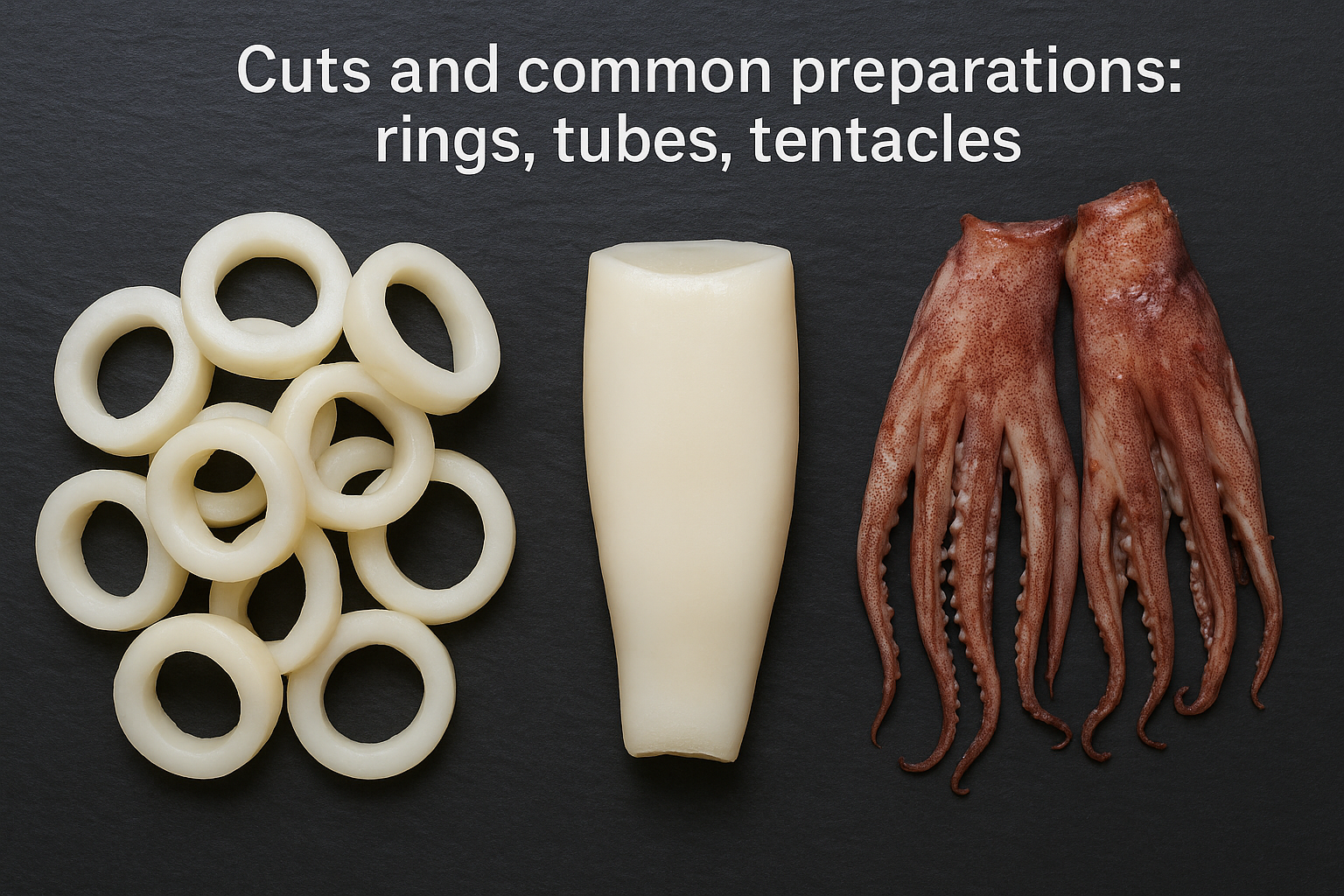
You’ll encounter squid in three main cuts at restaurants and fish markets. The difference between calamari and squid shows up most clearly in how kitchens butcher and present these cuts. Restaurants typically serve the body (mantle) as rings or stuffed tubes, while the tentacles arrive whole or chopped. Each cut requires different cooking times and techniques to achieve proper texture.
Rings for frying and quick cooking
Sliced body sections create the classic calamari rings you find at most Italian restaurants. Cooks cut the mantle into quarter-inch to half-inch rounds that cook quickly and evenly. These rings work best for frying, sautéing, or grilling because their uniform size ensures consistent cooking. La Dolce Vita Cucina prepares rings this way because the increased surface area catches breading or sauce effectively while maintaining tenderness.
Rings cook in under three minutes when properly prepared, making them ideal for high-heat methods.
Tubes and tentacles for varied dishes
Whole tubes allow for stuffed preparations filled with breadcrumbs, seafood, or rice mixtures. You’ll also find tubes sliced lengthwise and scored for grilling, which creates attractive presentation and prevents curling during cooking. Tentacles typically stay whole or get halved lengthwise, offering a different textural experience with their thicker, meatier structure. These cuts shine in braises, grilled preparations, or mixed seafood dishes.
How to cook calamari so it stays tender
The difference between calamari and squid disappears when you overcook either one. You get tender results through two distinct time windows: very fast or very long. Cook squid for two to three minutes maximum at high heat, or braise it for 30 to 45 minutes minimum at low temperatures. Anything in between produces rubbery, unpleasant texture that no amount of sauce can fix.
The fast and hot method
Quick cooking works for rings, small tubes, and tentacles that you fry, grill, or sauté. Your pan needs to reach high temperature before the squid hits the surface. Add your prepared pieces and cook for 90 seconds to two minutes, turning once. Remove immediately when the flesh turns opaque and firms slightly. La Dolce Vita Cucina uses this approach for fried calamari because it delivers consistent tenderness with minimal risk of overcooking.
Pull your squid from heat the moment it turns opaque to lock in tenderness.
The slow braising approach
Longer cooking times break down the proteins differently, creating tender results through extended heat exposure. This method works for stews, braises, and marinara-based dishes where squid simmers in liquid. Your cooking time needs to exceed 30 minutes to fully soften the meat. Check for doneness by testing a piece for fork-tender texture.
Final takeaway
The difference between calamari and squid exists only in language and menu convention, not in biology. You’re eating the same marine animal whether the label reads squid or calamari. Restaurants use Italian terminology to describe specific preparations while fish markets typically stick with English names. Understanding this distinction helps you order with confidence and cook at home without confusion.
Your success in the kitchen depends on cooking time rather than terminology. Keep your heat high and your cooking time under three minutes for tender results, or switch to long braising that exceeds 30 minutes. Size matters more than species when you shop for fresh squid at markets.
Experience authentic Italian seafood preparation at La Dolce Vita Cucina in Chicago’s Portage Park neighborhood. Our kitchen transforms this versatile seafood into dishes that showcase proper technique and traditional flavors. You’ll taste the difference when calamari gets prepared correctly.