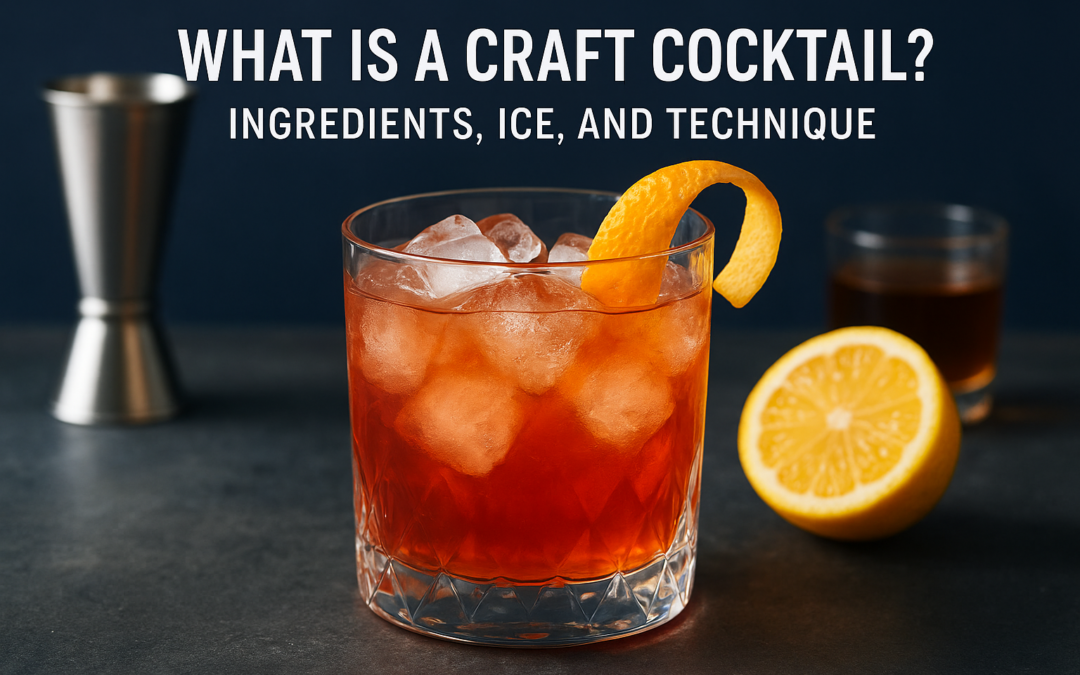
You’ve seen the term on menus, heard bartenders mention it, and probably paid a few extra dollars for one, but what is a craft cocktail, exactly? The short answer: it’s a drink made with intention, using quality spirits, fresh ingredients, and techniques that go beyond pouring liquor over ice. Unlike standard mixed drinks thrown together in seconds, craft cocktails require thought, balance, and often a bit of showmanship.
At La Dolce Vita Cucina, our cocktail menu reflects this philosophy. Every drink we serve during Happy Hour and beyond is built to complement the bold, authentic flavors of Italian cuisine. We believe a well-made cocktail should elevate your meal, not compete with it.
This article breaks down the elements that separate a craft cocktail from an ordinary drink. You’ll learn about the role of fresh ingredients and house-made syrups, understand why ice matters more than you think, and see how technique transforms simple spirits into something memorable. Whether you’re ordering at a bar or mixing at home, knowing these fundamentals helps you appreciate what goes into the glass.
Why craft cocktails matter
You could drink a vodka soda anywhere, but you choose where you drink it based on how it’s made. Craft cocktails separate forgettable bars from memorable ones because they demonstrate that someone cares about what you’re tasting. When a bartender takes the time to balance flavors, select proper glassware, and adjust each element for the season or menu, you notice the difference in every sip.
The experience behind the glass
Quality drinks change how you experience a meal. A craft cocktail doesn’t just sit next to your pasta, it interacts with the herbs, acidity, and richness on your plate. At La Dolce Vita Cucina, we design cocktails that respect the bold garlic, fresh basil, and house-made sauces you’ll find in our dishes. The drink becomes part of the meal, not an afterthought. This attention transforms a standard dinner into something you remember weeks later.
Great cocktails enhance food the same way a good wine pairing does, by creating layers of flavor that neither could achieve alone.
Why you pay more and why it’s worth it
Understanding what is a craft cocktail helps you see where your money goes. You’re paying for fresh citrus juiced to order, syrups made in-house, and spirits chosen for their character, not just their alcohol content. You’re also supporting bartenders who train for years to master techniques like proper shaking, stirring, and muddling. A standard well drink takes thirty seconds to pour. A craft cocktail takes three minutes to build and years of experience to perfect. That gap explains the price difference and justifies it when you taste the result.
Ingredients that make a cocktail craft
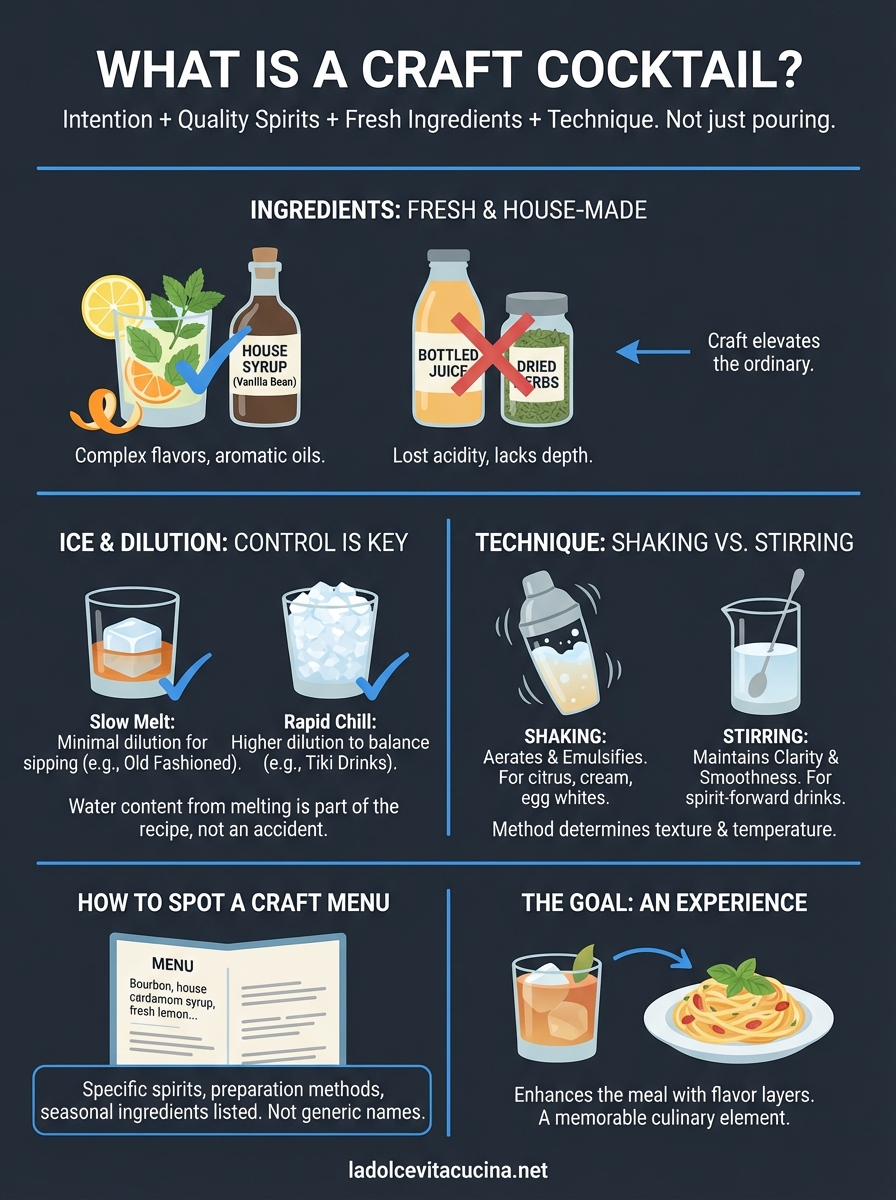
The foundation of any craft cocktail starts with ingredients you can’t find in a well-stocked convenience store. Fresh citrus juiced minutes before it hits your glass, herbs picked that morning, and spirits selected for their distinct character, not their price tag. When you understand what is a craft cocktail, you realize the quality of every component matters because there’s nowhere for inferior ingredients to hide. A drink with four elements means each one carries 25% of the responsibility for the final taste.
Fresh citrus and herbs
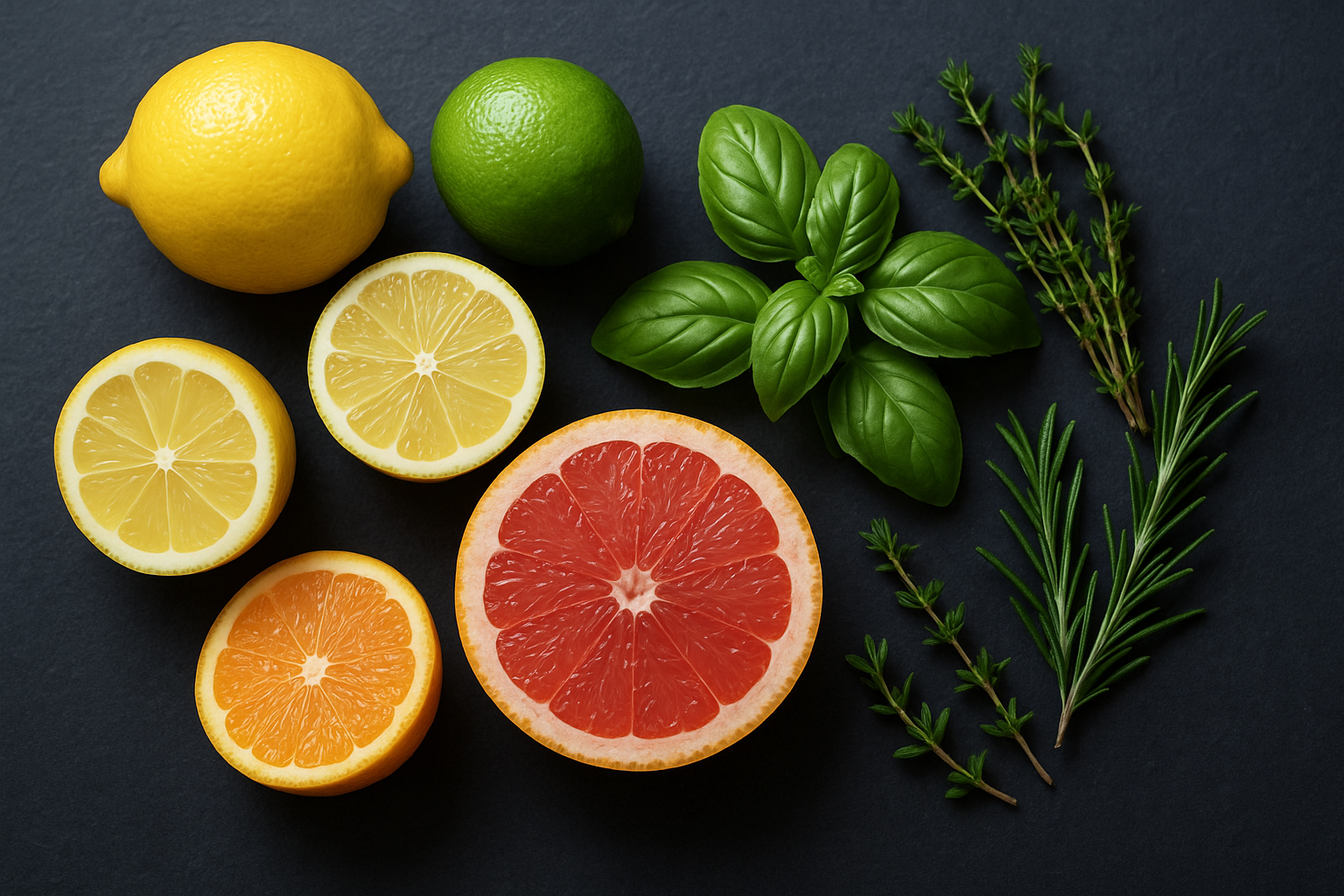
Bottled lime juice and dried mint destroy cocktails before the bartender even starts shaking. Fresh lemon, lime, and grapefruit provide bright acidity and essential oils that pre-squeezed versions lose within hours of bottling. Herbs like basil, thyme, and rosemary release aromatic compounds when muddled or expressed over the glass, creating layers of flavor that dried alternatives can’t replicate. You taste the difference immediately in drinks like our Italian-inspired cocktails at La Dolce Vita Cucina, where fresh ingredients match the authenticity of our kitchen.
House-made syrups and bitters
Mass-produced simple syrup tastes like sugar water because that’s exactly what it is. House-made versions incorporate vanilla beans, cardamom, or seasonal fruits that add complexity while sweetening. Craft bars also make their own bitters and tinctures, controlling flavor intensity and creating signature tastes you won’t find anywhere else.
Ingredients determine whether your cocktail tastes like a college party or a culinary experience.
Ice, dilution, and temperature control
Most people think ice just keeps drinks cold, but professional bartenders treat it as an ingredient that directly affects flavor, texture, and balance. The size, shape, and quality of ice determine how fast your cocktail dilutes, how cold it gets, and how long it stays drinkable. Understanding what is a craft cocktail means recognizing that water content from melting ice becomes part of the recipe, not an accident. A drink shaken with crushed ice dilutes faster than one stirred with a single large cube, creating completely different experiences in the glass.
Why ice size and shape matter
Large format ice cubes melt slower because they have less surface area exposed to the liquid compared to their volume. You’ll see these in old fashioneds and negronis where the goal is minimal dilution over extended sipping time. Crushed or pebble ice creates maximum surface contact, chilling drinks rapidly while adding substantial water content. This works perfectly for tiki drinks and juleps that need aggressive dilution to balance intense flavors. The wrong ice choice ruins even the best spirits and mixers.
Ice quality matters as much as the whiskey you pour over it.
Controlled dilution improves drinks
Dilution softens harsh alcohol, releases aromatic compounds, and integrates flavors that would taste disjointed when served neat. Professional bartenders shake cocktails for exactly 10 to 15 seconds to achieve precise water content that balances sweetness, acidity, and spirit strength. Too little dilution leaves drinks sharp and unpleasant. Too much creates watery disappointments that taste like melted ice with a hint of alcohol.
Techniques and build methods behind the bar
How a bartender constructs your drink determines texture, temperature, and integration of flavors in ways that match or destroy the recipe’s intent. Understanding what is a craft cocktail means recognizing that technique separates amateur mixing from professional bartending, even when using identical ingredients. The physical method you choose to combine spirits, citrus, and sweeteners changes the drink’s mouthfeel, clarity, and how flavors hit your palate.
Shaking vs. stirring
Shaking aerates cocktails, creating tiny air bubbles that give drinks like margaritas and daiquiris their cloudy appearance and silky texture. You shake anything with citrus, cream, or egg whites because vigorous agitation emulsifies ingredients that won’t naturally combine. Stirring maintains clarity and produces a smoother, silkier texture perfect for spirit-forward drinks like martinis and manhattans where you want the base spirit to shine without dilution or aeration.
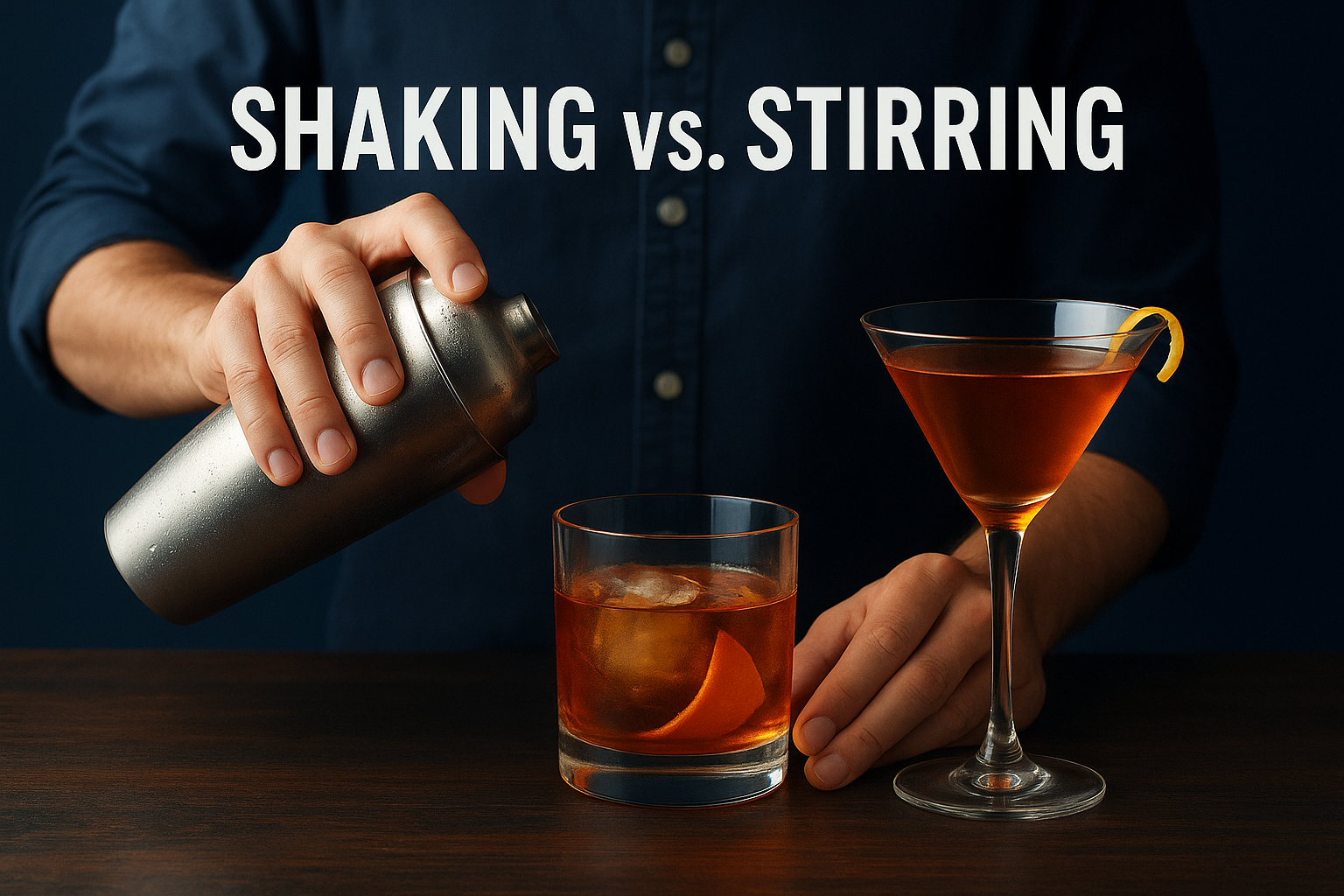
The technique you choose changes the drink as much as the ingredients you use.
Building in the glass
Some cocktails skip the shaker entirely and get built directly in the serving glass. Old fashioneds and mojitos develop properly when you muddle sugar with bitters or mint in the glass, then add ice and spirit. This method controls dilution through ice selection rather than vigorous shaking.
How to spot a craft cocktail menu in Chicago
Walking into any bar in Chicago, you can identify a craft cocktail program within seconds of reading the menu. Descriptions matter more than drink names. When you see specific spirit brands listed, preparation techniques mentioned, and ingredients that change seasonally, you’re looking at a menu built by bartenders who understand what is a craft cocktail. Generic terms like "vodka martini" or "rum and coke" signal a different experience entirely.
Detailed descriptions replace clever names
Craft cocktail menus explain what you’re drinking instead of relying on puns or pop culture references. You’ll see entries like "bourbon, house cardamom syrup, fresh lemon, egg white" rather than just "Whiskey Sour." The specificity tells you someone thought about proportions, tested combinations, and documented the recipe. At La Dolce Vita Cucina, our cocktail descriptions during Happy Hour match the care we put into our Italian menu, listing exact ingredients so you know what to expect.
Transparency in menu writing reflects confidence in the drink itself.
Seasonal rotation indicates fresh ingredients
Menus that change quarterly or monthly commit to fresh, seasonal components that you can’t replicate year-round. When you spot drinks featuring summer peaches or winter blood oranges, you’re seeing bartenders who source ingredients the same way our kitchen does.
A quick recap
You now understand what is a craft cocktail: a drink built with quality spirits, fresh ingredients, proper ice, and professional technique. These four elements separate forgettable mixed drinks from memorable experiences. Fresh citrus and house-made syrups provide flavor complexity that bottled mixers can’t match. Ice size controls dilution and temperature in ways that directly affect taste. Bartender techniques like proper shaking, stirring, and muddling integrate ingredients into balanced drinks that enhance your meal rather than compete with it.
When you visit La Dolce Vita Cucina, you’ll find cocktails designed with the same attention to detail and authentic ingredients we bring to our Italian kitchen. Our Happy Hour showcases craft drinks that pair naturally with bold garlic, fresh basil, and house-made pasta. The next time you order a cocktail, you’ll recognize the difference between rushed service and thoughtful preparation. Quality ingredients, controlled dilution, and proper technique create drinks worth your time and money.