
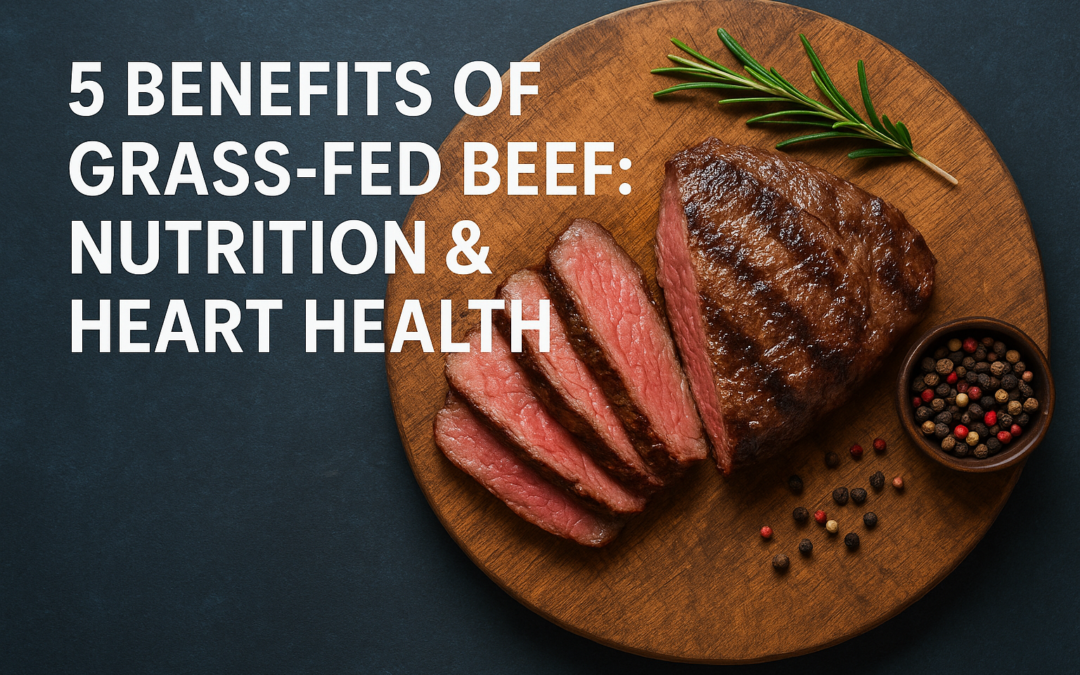
When you sit down to enjoy a perfectly prepared steak, the quality of the beef matters more than most realize. At La Dolce Vita Cucina, we believe that sourcing premium ingredients, including understanding the benefits of grass-fed beef, is essential to creating dishes that nourish as much as they satisfy. Our chef-recommended 16oz Ribeye reflects this commitment to quality that you can taste.
The difference between grass-fed and grain-fed beef goes far beyond flavor. Nutritional profiles vary significantly, and for health-conscious diners, these distinctions can influence everything from heart health to daily nutrient intake. Whether you’re managing cholesterol, seeking more omega-3 fatty acids, or simply want cleaner protein sources, grass-fed beef offers measurable advantages worth understanding.
This guide breaks down five key benefits of choosing grass-fed beef, covering its superior vitamin content and its documented impact on cardiovascular wellness. You’ll walk away with clear, practical knowledge to make informed choices, whether you’re shopping at the butcher counter or enjoying a celebratory dinner at your favorite Portage Park neighborhood restaurant.
1. Lower total fat and calories
The most measurable advantage of grass-fed beef shows up on nutrition labels. Grass-fed cuts typically contain 10 to 30 percent less total fat than grain-fed equivalents, and that translates directly to fewer calories per serving. When you choose a grass-fed ribeye or sirloin, you get the same satisfying protein content with a lighter fat load, which matters whether you track macros or simply want to enjoy beef more frequently without excess energy intake.
What changes in grass-fed vs grain-fed beef
Cattle raised on pasture develop leaner muscle tissue because they move more and consume a diet closer to their evolutionary norm. Grain-finishing, by contrast, increases marbling rapidly through high-starch feed in confined quarters, pushing intramuscular fat levels higher in a short time. A three-ounce serving of grass-fed beef averages around 150 calories compared to 200 or more in grain-fed cuts of the same weight. Fat content drops from 12 to 15 grams in conventional beef down to 5 to 8 grams in grass-finished varieties, depending on the cut and breed.
What it can mean for weight and cardiometabolic health
Lower total fat intake supports weight management goals when you maintain portion control and balance your plate with vegetables and whole grains. Research also links leaner protein sources to better cholesterol profiles and reduced cardiovascular risk markers, especially when you swap out processed meats or higher-fat cuts. Choosing grass-fed beef as part of a Mediterranean-style eating pattern can help you meet protein needs without overshooting saturated fat limits set by major health organizations.
"Grass-fed beef offers a leaner protein option that fits naturally into heart-conscious meal plans when prepared with minimal added fats."
Best cuts and cooking methods for a leaner result
Sirloin, flank, and round cuts deliver the leanest profiles among grass-fed options, making them ideal for quick sears or thin slicing. You preserve tenderness by avoiding overcooking, since lower fat content means less built-in moisture. Marinades with acid and oil help tenderize tougher cuts, while high-heat methods like grilling or broiling lock in flavor without adding unnecessary calories. At La Dolce Vita Cucina, we prepare our chef-recommended steaks with techniques that highlight the natural richness of quality beef without masking its clean, distinctive taste.
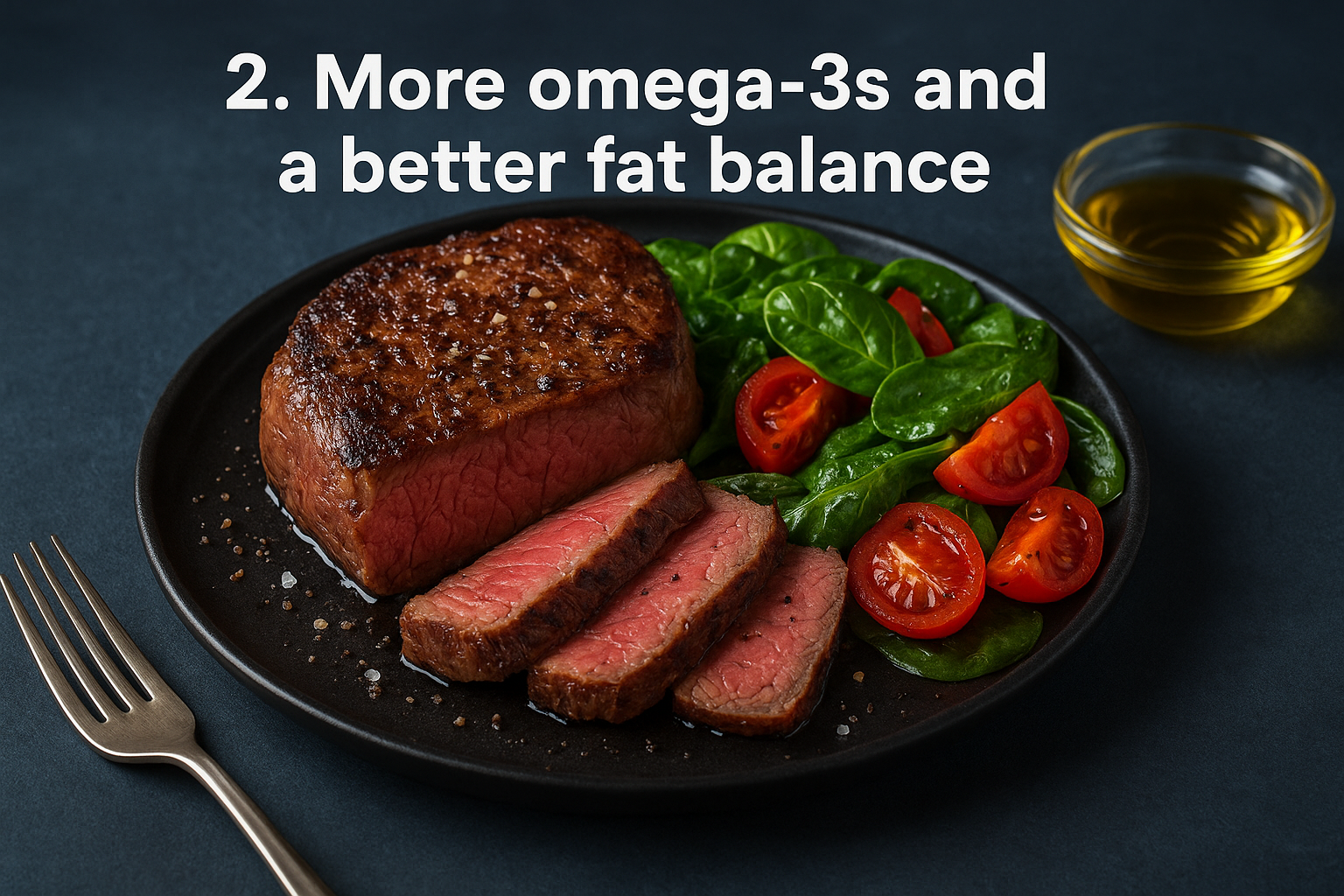
2. More omega-3s and a better fat balance
Grass-fed beef delivers two to five times more omega-3 fatty acids than grain-finished cuts, shifting the overall fat profile toward compounds your body uses for anti-inflammatory processes and cardiovascular protection. This advantage extends beyond raw numbers, as the ratio of omega-6 to omega-3 improves dramatically when cattle graze on fresh forage instead of corn and soy. You get a protein source that aligns better with the fatty acid balance recommended by nutrition scientists.
Why a grass diet changes the fatty acid profile
Grasses contain alpha-linolenic acid (ALA), which cattle convert into longer-chain omega-3s that accumulate in muscle tissue. Grain-based diets, rich in omega-6 linoleic acid, push fatty acid ratios in the opposite direction, often exceeding 20:1 in conventional beef. Grass-fed varieties hover closer to 3:1 or 4:1, a range that supports reduced systemic inflammation when combined with a balanced diet that includes fish, nuts, and leafy greens.
"Choosing grass-fed beef helps correct the omega-6 dominance found in typical Western diets, offering a meaningful dietary adjustment for heart health."
What the research suggests about heart health markers
Studies show that higher omega-3 intake correlates with lower triglyceride levels and improved HDL cholesterol, both markers tied to cardiovascular wellness. The benefits of grass-fed beef appear most clearly when you replace processed meats or high-omega-6 protein sources rather than simply adding more meat to your plate. Controlled trials remain limited, but observational data supports the role of balanced fatty acids in reducing heart disease risk.
How to pair grass-fed beef in a heart-smart meal
You maximize omega-3 benefits by pairing grass-fed beef with antioxidant-rich vegetables like spinach, bell peppers, and tomatoes. Cooking with olive oil instead of butter preserves the favorable fat profile while adding monounsaturated fats that support arterial health. At La Dolce Vita Cucina, we craft dishes that honor this balance, letting quality ingredients shine without unnecessary additions.
3. More CLA and other beneficial fats
Grass-fed beef stands out for its conjugated linoleic acid (CLA) content, which runs two to three times higher than grain-fed equivalents. This naturally occurring trans fat forms when bacteria in the rumen convert dietary fats, and pasture-based diets amplify CLA production dramatically. You get a compound that researchers link to potential metabolic benefits, all without synthetic supplementation or processing.
What CLA is and where it shows up in beef
CLA belongs to a family of polyunsaturated fatty acids with a slightly altered molecular structure that sets it apart from industrial trans fats. Grass-fed beef averages 0.5 to 1.0 percent CLA by weight in the fat fraction, while grain-finished cuts drop closer to 0.2 percent. The difference stems from fresh forage consumption, which provides the raw materials that rumen bacteria transform into this unique fat. You find the highest concentrations in cuts with moderate marbling, such as ribeyes and strip steaks.
What we know and do not know about health effects
Animal and cell studies suggest CLA may support fat metabolism and immune function, but human trials show mixed results. Some research points to modest improvements in body composition and inflammation markers, while other studies find no meaningful effect at typical dietary intakes. The benefits of grass-fed beef in this area remain promising but not definitive, and scientists continue investigating optimal doses and long-term outcomes.
"CLA from grass-fed beef offers potential metabolic advantages, though current evidence calls for realistic expectations rather than overblown health claims."
Smart serving sizes and how often to eat it
You maximize CLA intake by enjoying three to four ounces of grass-fed beef two to three times per week, which fits comfortably within most dietary guidelines. Pairing beef with fiber-rich vegetables and whole grains helps balance your plate while letting you benefit from the full spectrum of nutrients grass-fed cuts provide. At La Dolce Vita Cucina, we craft portions that honor both flavor and nutritional wisdom.
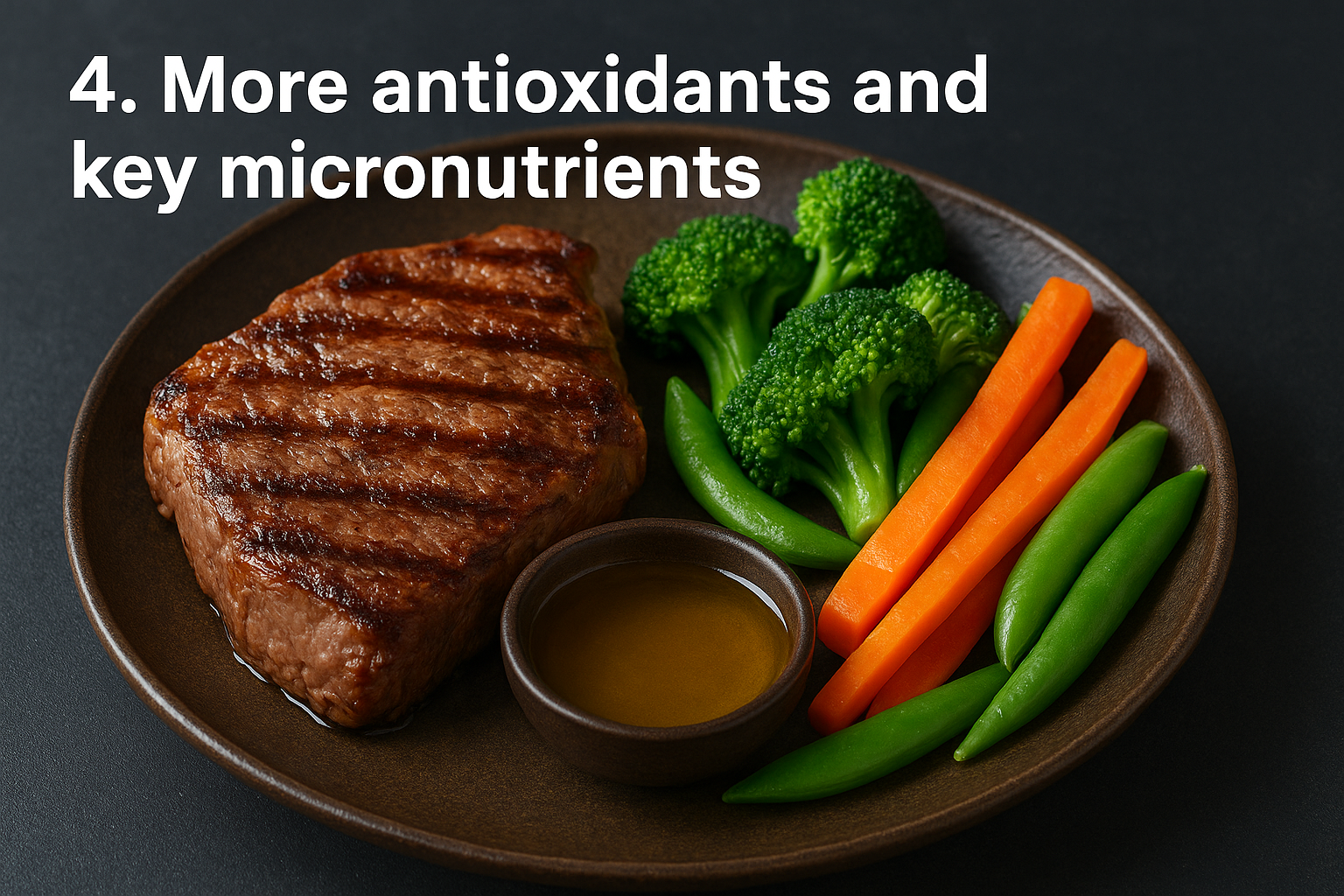
4. More antioxidants and key micronutrients
Grass-fed beef delivers higher concentrations of vitamins E and A compared to grain-finished cuts, along with measurable increases in certain minerals that support cellular health. These differences stem from pasture plants rich in carotenoids and tocopherols, which cattle absorb and store in muscle tissue. When you choose grass-fed varieties, you gain nutritional advantages that extend beyond protein and fat composition.
Nutrients that tend to run higher in grass-fed beef
Studies show grass-fed beef contains up to four times more vitamin E than grain-fed equivalents, a fat-soluble antioxidant your body uses to protect cells from oxidative stress. You also get more beta-carotene, the precursor to vitamin A, which explains the slight yellow tint in grass-fed fat. Mineral content, including zinc and iron, remains comparable between both types, though bioavailability may improve slightly when these nutrients come packaged with favorable fatty acid profiles.
Why these nutrients matter for inflammation and the heart
Vitamin E functions as a powerful antioxidant that neutralizes free radicals linked to arterial damage and chronic inflammation. Combined with omega-3s and CLA, the benefits of grass-fed beef create a nutrient package that supports cardiovascular wellness when consumed as part of a balanced diet. Beta-carotene contributes to immune function and skin health, making grass-fed cuts a meaningful source beyond their protein value.
"The antioxidant profile in grass-fed beef adds another layer of nutritional value that grain-fed alternatives simply cannot match."
When other foods may beat beef for the same nutrients
Leafy greens, nuts, and seeds provide higher vitamin E concentrations per calorie than any beef cut, while carrots and sweet potatoes deliver more beta-carotene. You optimize your micronutrient intake by pairing grass-fed beef with colorful vegetables rather than relying on meat alone for these compounds.
5. A cleaner fit for some shoppers and better eating experience
The benefits of grass-fed beef extend beyond nutrition into practical concerns about production methods and overall quality. Many shoppers choose grass-fed cuts because they align with preferences for animals raised on pasture with less pharmaceutical intervention, while others simply find the flavor more appealing. Understanding what labels guarantee and where gaps remain helps you make purchasing decisions that match your values and expectations.
What grass-fed labels can and cannot tell you
A "grass-fed" label in the United States tells you cattle consumed forage as their primary diet, but it does not automatically mean pasture-raised or organic. You should look for "100% grass-fed and grass-finished" claims if you want assurance that animals never consumed grain. Labels do not reveal details about pasture quality, rotation practices, or animal welfare standards beyond basic diet composition.
What to know about antibiotics, food safety, and handling
Grass-fed beef comes from cattle that typically receive fewer antibiotics than feedlot animals, though the label alone does not prohibit their use. You find the strongest assurances by choosing certified organic grass-fed beef, which bans routine antibiotics altogether. Food safety practices remain identical across all beef types, requiring proper refrigeration below 40°F and cooking to internal temperatures of at least 145°F for whole cuts.
"Grass-fed beef often reflects production systems with lower pharmaceutical inputs, though you must read labels carefully to understand exact standards."
How to shop, store, and cook grass-fed beef for best flavor
You preserve quality by storing grass-fed beef in the coldest part of your refrigerator for up to three days or freezing for extended periods. Cooking requires lower temperatures and shorter times than grain-fed cuts due to reduced fat content. Let steaks rest at room temperature for 20 minutes before cooking to ensure even heat distribution and maximum tenderness.
Quick takeaways
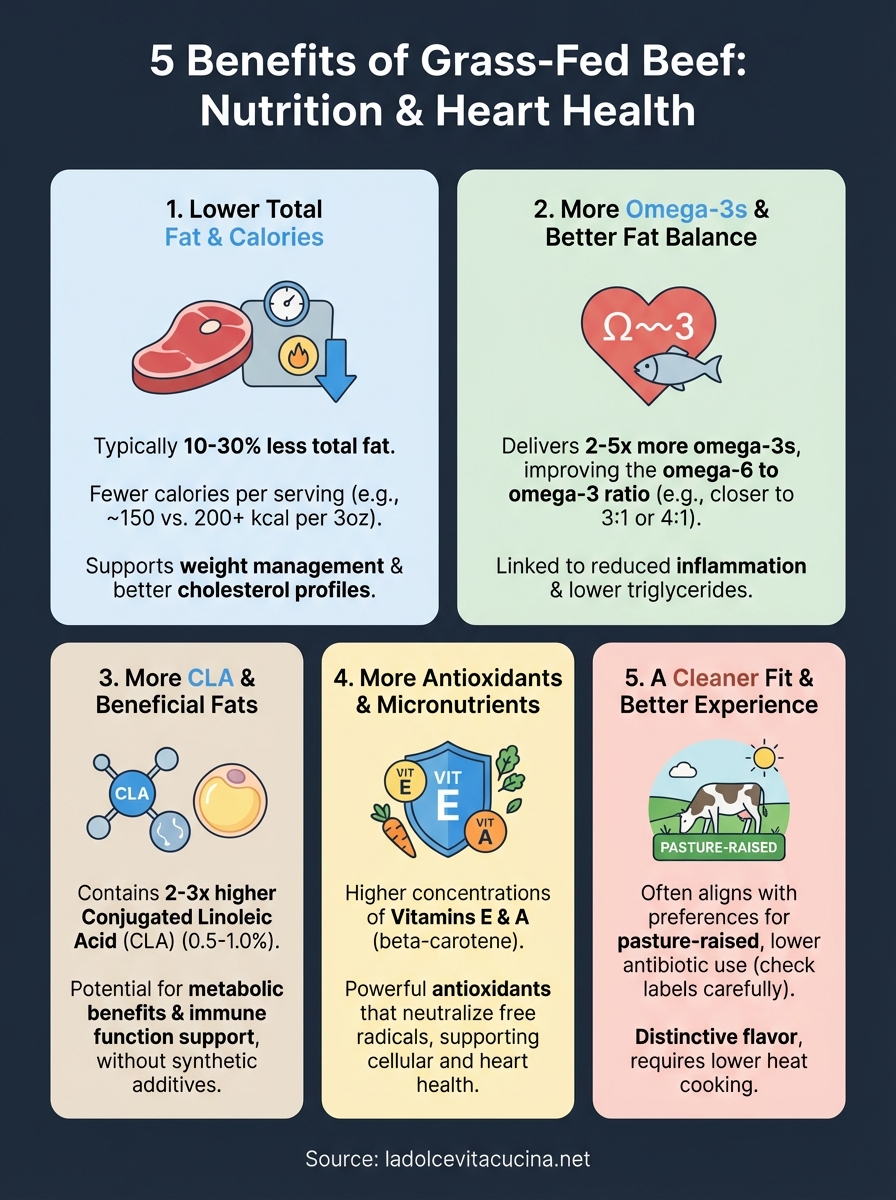
The benefits of grass-fed beef extend from your plate to your cardiovascular system, delivering leaner protein with superior omega-3 ratios and higher antioxidant content. You get fewer calories per serving while gaining CLA, vitamin E, and a fatty acid balance that supports heart health when combined with smart meal planning. These nutritional advantages show up most clearly when you choose quality cuts prepared with techniques that preserve their natural character.
Shopping decisions matter beyond nutrition labels alone. You find cleaner production methods and distinctive flavor profiles in grass-fed varieties, though you must read certifications carefully to understand exact standards. Proper storage and cooking techniques preserve tenderness while maximizing taste, letting the beef’s natural richness shine through without masking it with heavy sauces.
Ready to experience premium grass-fed beef prepared by experts? Explore our chef-recommended steaks at La Dolce Vita Cucina and discover how quality sourcing creates an unforgettable dining experience.