
At La Dolce Vita Cucina, we believe a great meal deserves a proper ending. That’s where the digestif comes in. If you’ve ever wondered what is a digestif drink, you’re asking about one of the most cherished traditions in Italian dining culture, a spirit or liqueur served after a meal to aid digestion and extend the pleasure of the evening.
These after-dinner drinks do more than just cap off your plate. Digestifs serve a functional purpose, helping your stomach settle while offering bold, often bitter or herbal flavors that contrast beautifully with dessert. They mark the difference between a good dinner and a memorable one.
This guide covers everything you need to know about digestifs: what they are, how they differ from aperitifs, popular examples you’ll find at Italian restaurants like ours in Chicago’s Portage Park neighborhood, and why they’ve remained a dining staple for centuries. Whether you’re planning your next visit or simply curious about the tradition, you’ll walk away with a clear understanding of these after-dinner essentials.
Why people drink digestifs after dinner
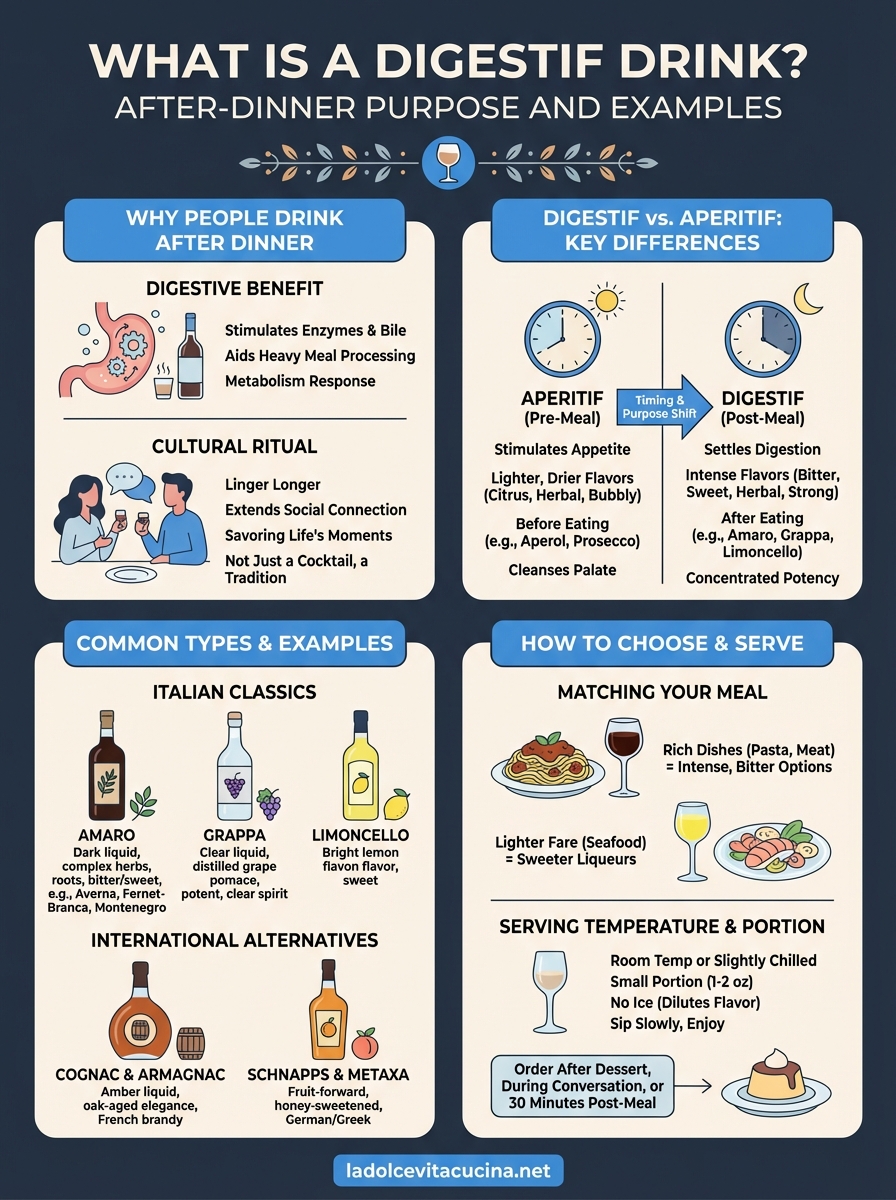
The tradition of serving digestifs dates back centuries in Italy and across Europe. These concentrated spirits and liqueurs contain herbs, spices, and botanicals that stimulate your digestive system after a heavy meal. The alcohol content itself, typically ranging from 15% to 40%, helps break down fats and proteins you’ve just consumed.
The digestive benefit
Your stomach produces digestive enzymes when you sip a digestif, thanks to the bitter compounds found in many of these drinks. Amaro, grappa, and other traditional digestifs work by triggering bile production, which helps your body process rich foods more efficiently. The warmth you feel isn’t just the alcohol, it’s your metabolism responding to these active ingredients. Many digestifs include ingredients like artichoke, gentian root, or chamomile, all known for their digestive properties.
The key difference between asking what is a digestif drink and understanding its purpose lies in recognizing it as a functional tradition, not just another cocktail.
The cultural ritual
Beyond the physical benefits, digestifs serve an important social function at Italian tables. You linger longer when you have a small glass in hand, extending conversation and connection after the meal ends. This practice turns dining into an event rather than a transaction. Restaurants like La Dolce Vita Cucina preserve this tradition because it reflects the Italian philosophy of savoring life’s moments. The digestif signals that you’re not rushing off, you’re taking time to appreciate the full experience of good food and company.
Digestif vs aperitif: key differences
While both fall under the umbrella of what is a digestif drink and its pre-meal counterpart, these two categories serve opposite purposes at different points in your dining experience. Understanding the distinction helps you appreciate why Italian restaurants like ours structure their beverage programs the way they do. The timing, flavor profile, and intended effect differ dramatically between these two drink types.
When you drink them
Aperitifs arrive before your meal begins, designed to stimulate your appetite and prepare your palate for food. You’ll typically order them while reviewing the menu or waiting for your table companions. Digestifs come after you’ve finished eating, when your stomach needs help processing the meal. This timing difference reflects their contrasting functions: one awakens your hunger, the other settles your digestion.
What they taste like
Aperitifs lean toward lighter, drier flavors with citrus notes, bubbles, or herbal brightness that cleanse your palate. Think Aperol or Prosecco. Digestifs pack more intensity with bitter, sweet, or strongly herbal profiles that cut through the richness of your completed meal. The higher alcohol content and concentrated botanicals give digestifs their characteristic punch, making them unsuitable as pre-meal drinks.
The contrast between aperitifs and digestifs mirrors the natural rhythm of a proper Italian meal: awakening your senses at the start, then providing closure at the end.
Common types and examples of digestifs
Italian restaurants offer several categories of digestifs, each with distinct flavor profiles and regional origins. When you ask what is a digestif drink at La Dolce Vita Cucina, you’ll discover options ranging from intensely bitter to pleasantly sweet. The variety ensures you’ll find something that matches your taste preferences while still serving the digestive purpose these drinks are famous for.
Italian classics
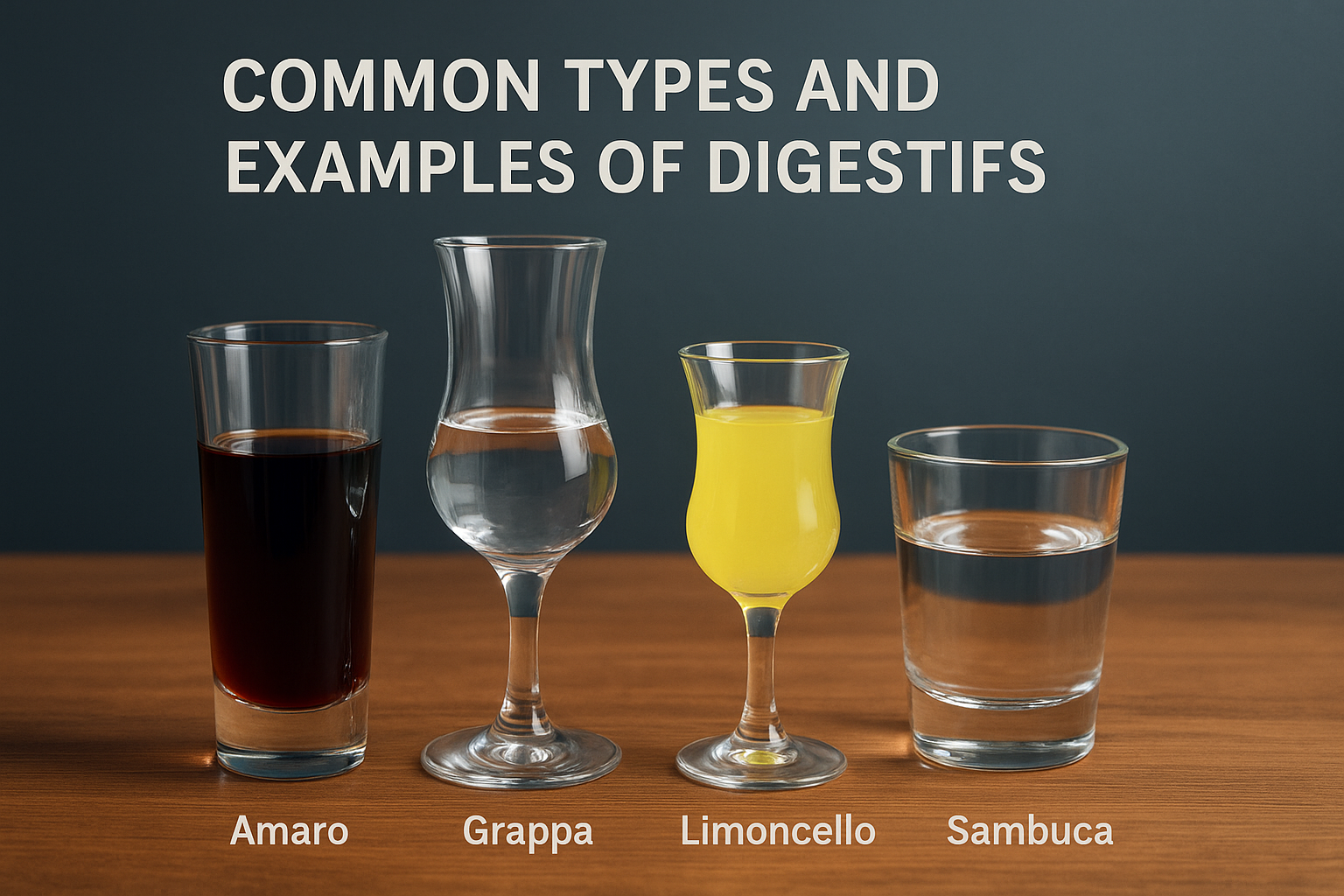
Amaro leads the traditional Italian digestif category with its complex blend of herbs, roots, and citrus peels steeped in neutral alcohol. Popular brands include Averna, Fernet-Branca, and Montenegro, each offering different levels of bitterness and sweetness. Grappa, distilled from grape pomace, delivers a clear, potent spirit that cuts through rich pasta dishes and heavy proteins. Limoncello brings a sweeter approach with its bright lemon flavor, particularly popular after seafood meals. Sambuca offers an anise-forward profile that some diners prefer over bitter options.
Italian digestifs reflect regional traditions, with northern regions favoring grappa while southern Italy gravitates toward herbal amari and citrus-based liqueurs.
International alternatives
French Cognac and Armagnac provide oak-aged elegance for diners seeking smoother, less herbal options. These brandies work particularly well after steak or game. German schnapps and Greek Metaxa offer fruit-forward or honey-sweetened variations that appeal to those who find traditional amari too intense.
How to choose and serve a digestif
Your meal dictates which digestif works best, though personal preference always matters most. Understanding the basic pairing principles and proper serving methods helps you get the full benefit these traditional after-dinner drinks offer. The right choice enhances your dining experience rather than overwhelming it.
Matching your meal
Heavy, rich dishes call for more intense digestifs like amaro or grappa that can cut through lingering fats on your palate. If you’ve finished a lighter seafood meal, limoncello or a sweeter liqueur provides better balance without overpowering the delicate flavors you just enjoyed. Your server at La Dolce Vita Cucina can recommend options based on what you ordered, but trust your instincts about what is a digestif drink that appeals to you personally.
The best digestif complements your meal without competing against it, creating a natural transition from eating to relaxing.
Serving temperature and portion
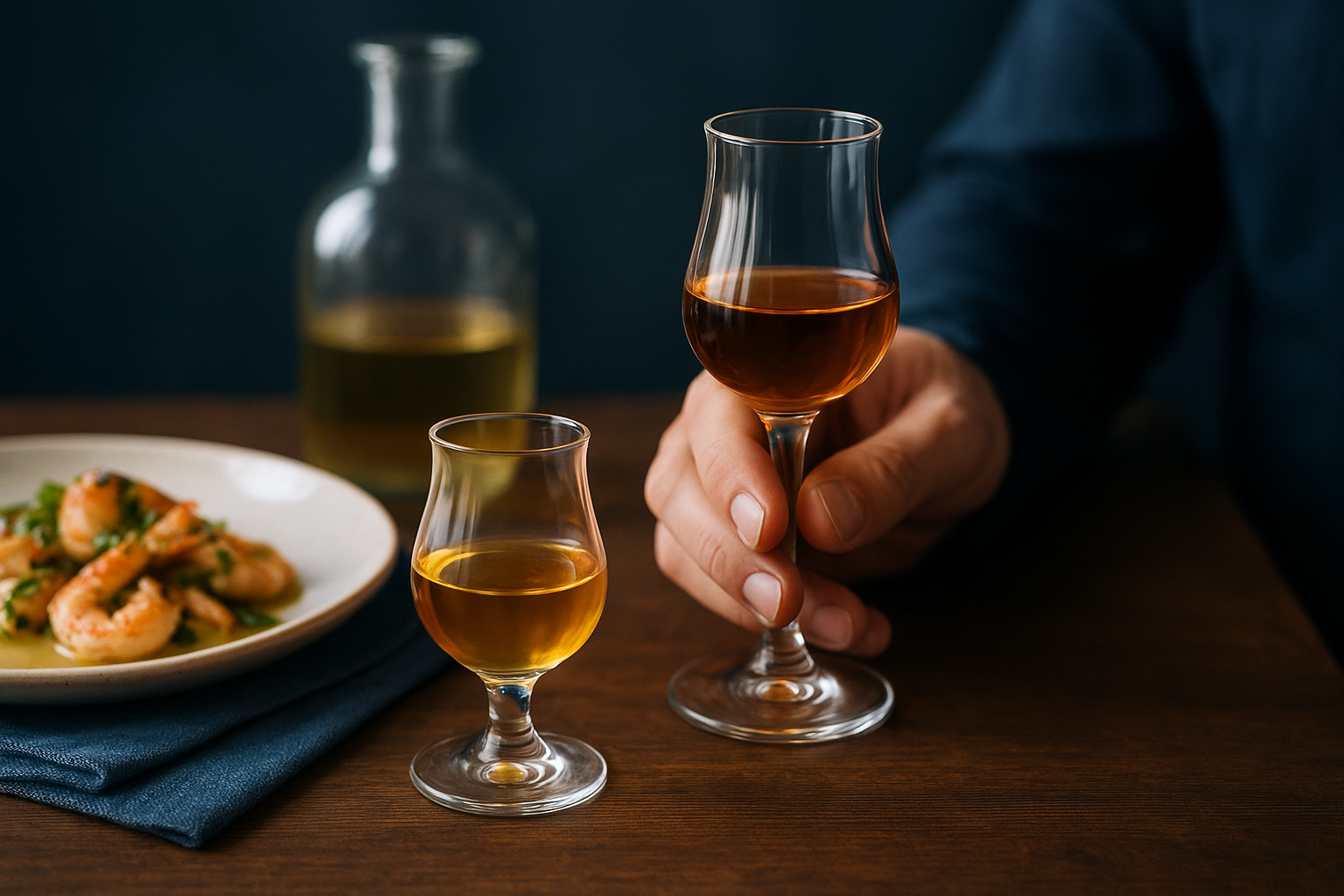
Most digestifs taste best at room temperature or slightly chilled, never over ice which dilutes their concentrated flavors. Restaurants serve them in small glasses holding one to two ounces, not full cocktail portions. You sip slowly, letting each small taste work its digestive magic while conversation continues. The modest serving size reflects the high alcohol content and potency of these drinks.
Digestif questions, myths, and quick answers
Several misconceptions surround digestifs, leading diners to avoid them or misuse their purpose. Understanding what is a digestif drink means clearing up these common myths and answering practical questions about when and how to enjoy these traditional beverages. The truth about digestifs differs from many widely held beliefs you might have encountered.
Common misconceptions
The biggest myth claims digestifs don’t actually aid digestion, but research supports their traditional use. The bitter compounds in amari and other digestifs stimulate digestive enzymes and bile production. Another false belief suggests you must drink digestifs immediately after your last bite. You can order one after dessert, during conversation, or even thirty minutes post-meal and still receive the digestive benefits. Some diners think these drinks always taste bitter, but sweeter options like limoncello and sambuca provide gentler alternatives.
Digestifs work through their botanical ingredients and alcohol content, not through placebo effect or tradition alone.
Timing and quantity questions
You only need one to two ounces to experience the digestive effect, making a single serving sufficient for most people. Ordering a second digestif turns the practice into social drinking rather than digestive aid. The ideal window runs from immediately after your meal through the next hour, giving your stomach time to process food while the digestif works alongside natural digestion.
The takeaway
Understanding what is a digestif drink gives you the tools to complete your Italian dining experience the right way. These concentrated spirits and liqueurs serve a genuine digestive purpose while extending the social pleasure of your meal. The bitter compounds and botanicals in traditional options like amaro and grappa stimulate your body’s natural digestive processes, helping you handle rich foods more efficiently. This functional benefit explains why digestifs have remained a cornerstone of Italian dining culture for centuries.
You don’t need to overthink your choice when ordering a digestif at an Italian restaurant. Match heavier meals with more intense options, or select something sweeter like limoncello after lighter fare. The key lies in sipping slowly and treating the drink as part of your overall experience rather than a rushed afterthought.
Ready to experience authentic digestif service? Visit La Dolce Vita Cucina in Chicago’s Portage Park neighborhood for traditional Italian dining that honors these time-tested customs from start to finish.