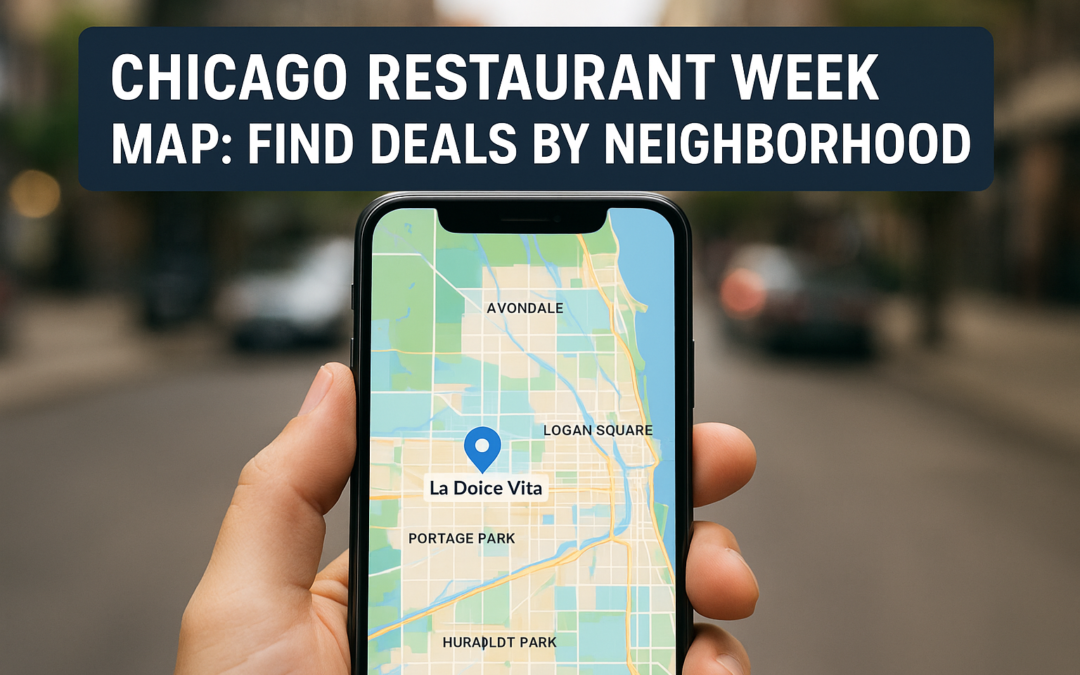
Navigating Chicago’s culinary scene during Restaurant Week can feel overwhelming with hundreds of participating locations spread across dozens of neighborhoods. That’s where a Chicago Restaurant Week map becomes your best friend, helping you filter deals by area, price point, and meal type without endless scrolling through lists.
Whether you’re hunting for a prix fixe dinner in Lincoln Park or a multi-course brunch in Wicker Park, knowing exactly where to look saves time and helps you plan a proper food crawl. At La Dolce Vita Cucina in Portage Park, we’ve been part of this annual celebration, offering our own curated three-course menus that showcase homemade pasta and house-made gelato.
This guide breaks down how to use interactive maps and neighborhood filters to find the best Restaurant Week deals near you, plus some hidden gems you might otherwise miss.
1. La Dolce Vita Cucina
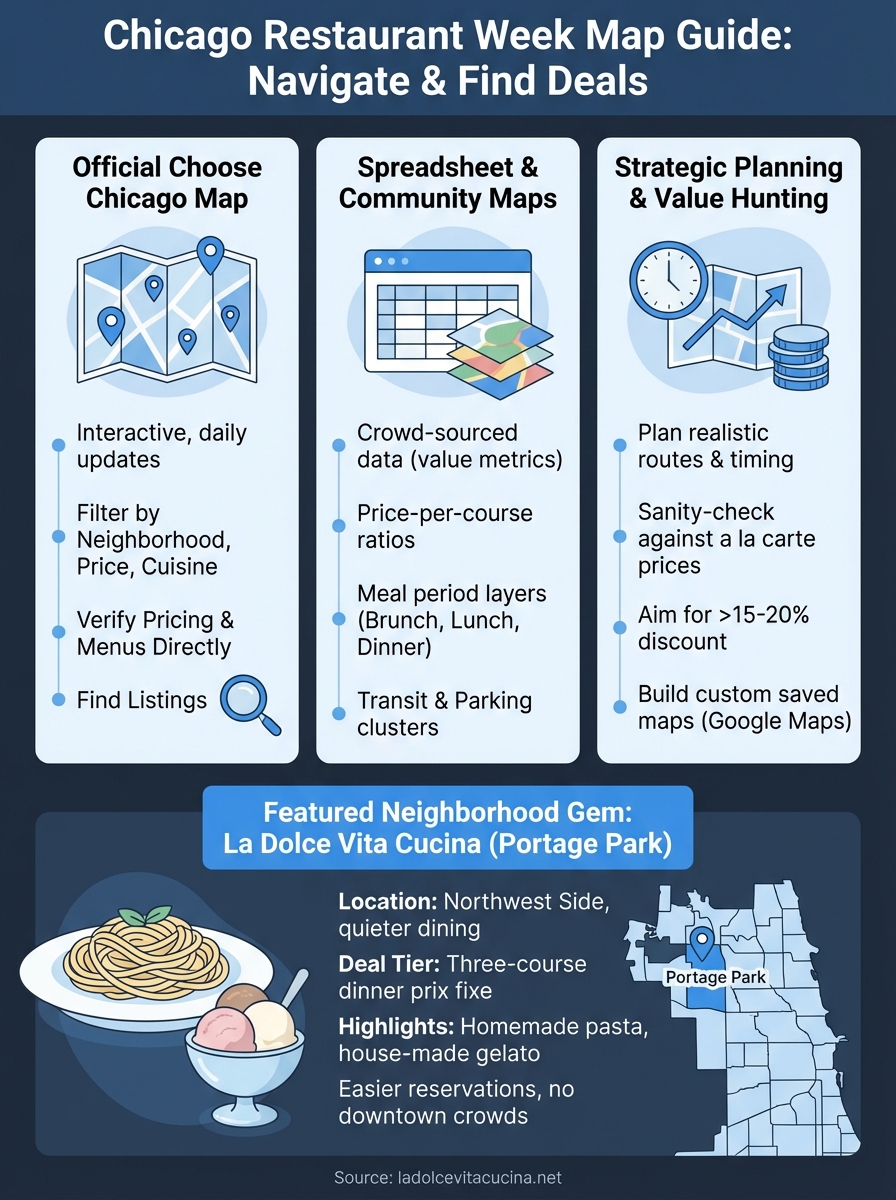
When you pull up any chicago restaurant week map, La Dolce Vita Cucina appears in the Portage Park neighborhood on the northwest side, about 10 miles from downtown. This location puts you within easy reach of both the Kennedy Expressway and the Blue Line, making it a convenient stop whether you’re coming from the Loop or exploring the city’s residential pockets.
Where it sits on the Chicago Restaurant Week map
You’ll find the restaurant at 3740 N. Cicero Avenue, positioned between Irving Park Road and Addison Street in a neighborhood that blends classic Chicago bungalows with a growing food scene. The area offers free street parking after 6 PM and sits just two miles west of Lincoln Square, one of the city’s busiest dining corridors. Portage Park rarely shows up on crowded Restaurant Week itineraries, which means you get easier reservations and a quieter dining experience compared to River North or West Loop spots.
Which menu and deal types to look for
La Dolce Vita Cucina typically participates in the dinner tier, offering a three-course prix fixe menu that highlights homemade pasta like linguini and tagliatelle, along with premium proteins such as 16oz ribeye or Loch Duart salmon. The menu rotates seasonally, but you can expect at least one house-made gelato option for dessert. Pricing usually falls into the mid-range tier, giving you more value than downtown competitors while maintaining the same quality standards.
"Restaurant Week menus at neighborhood spots like Portage Park deliver the same chef-driven quality without the downtown price premium."
How to reserve and order online fast
You can book your table through OpenTable directly from the restaurant’s website, which integrates real-time availability and confirmation. If you prefer off-site dining, the restaurant uses Toast Tab for online ordering, allowing you to place a pickup order in under three minutes. Both systems sync inventory and menu updates, so you won’t run into surprises when you arrive or pick up your food.
Best nearby neighborhoods to pair in the same night
Portage Park sits close enough to Jefferson Park, Irving Park, and Avondale that you can hit multiple neighborhoods in one evening. If you start with drinks or appetizers at a spot along Milwaukee Avenue in Avondale, you can reach La Dolce Vita Cucina in under 10 minutes by car or rideshare, then finish the night with dessert or cocktails back in Logan Square without adding more than 15 minutes of travel time.
2. Choose Chicago map and restaurant finder
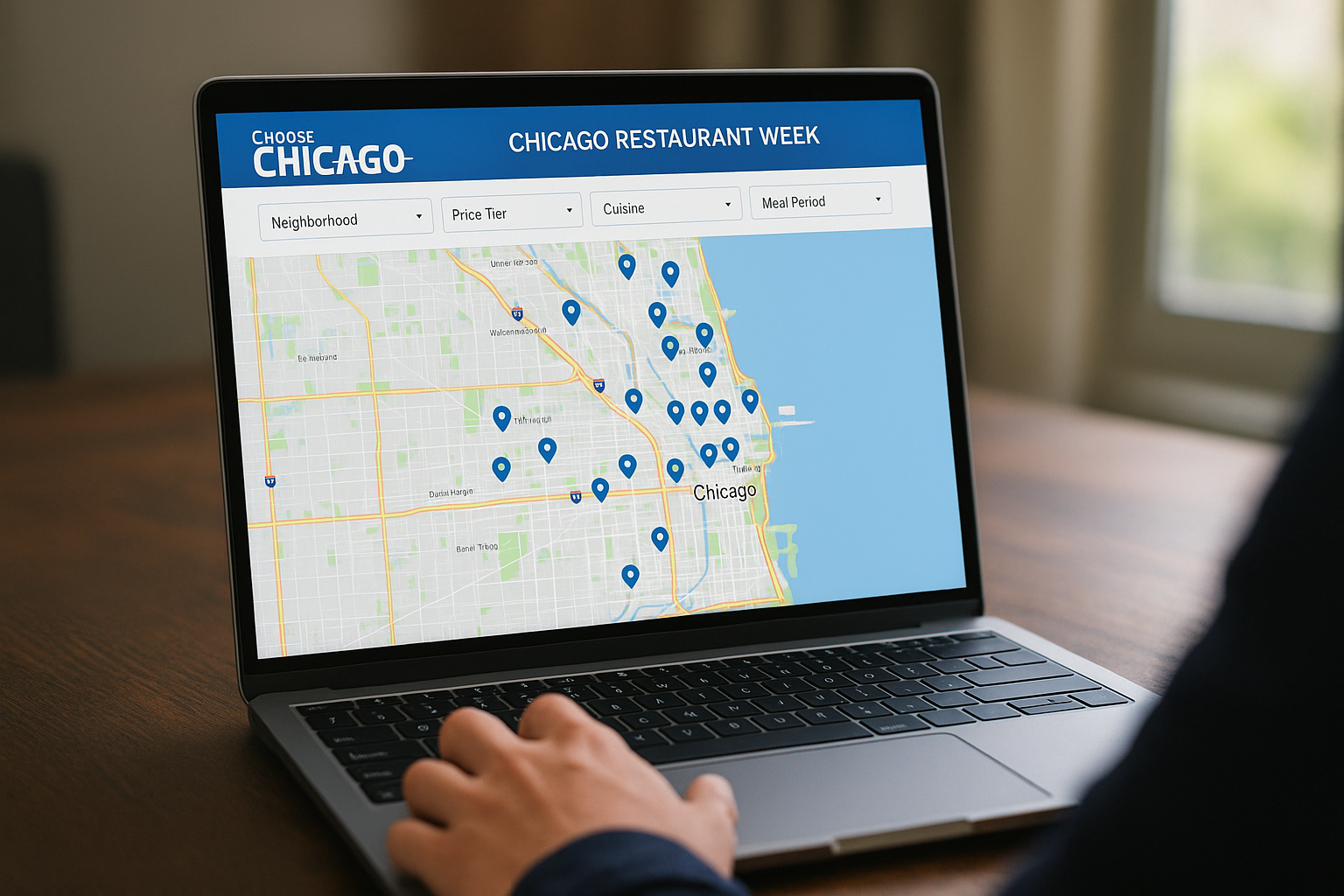
The official Choose Chicago platform hosts an interactive chicago restaurant week map that shows every participating restaurant pinned by exact location. You can access it directly through the Choose Chicago website, where the map loads with all confirmed participants already marked. This tool updates daily during the event, adding new restaurants and removing sold-out locations as availability shifts.
What you can filter and sort by
You can narrow results by neighborhood name, price tier, and cuisine type using dropdown menus above the map. The platform also lets you filter by meal period (brunch, lunch, or dinner), which matters when restaurants offer deals at specific times. Most neighborhoods display between five and fifteen pins, though downtown districts like River North and the Loop show higher concentrations that can make individual spots harder to distinguish.
How to use the map to plan a neighborhood route
Start by zooming into one area, then click each pin to reveal the restaurant’s address and participating menu tiers. You can plot a walking or driving route by opening multiple listings in separate tabs, copying addresses into your navigation app, and arranging stops by proximity. The map clusters pins when zoomed out, so you need to zoom in two or three levels before individual locations become clickable.
How to confirm pricing and menu details before you go
Each map pin links to a dedicated Restaurant Week page showing the exact prix fixe price and available courses. You should verify this information by calling the restaurant directly, since menus can change up to 24 hours before your reservation. Some spots post PDF menus on their own websites that include dish descriptions the official map omits.
Common pitfalls and how to avoid them
The map sometimes shows closed or relocated businesses if organizers haven’t refreshed the list. Cross-reference any unfamiliar restaurant name with a quick search to confirm it still operates at the listed address. Another issue: pins can overlap when multiple restaurants share the same block, forcing you to zoom in further or click repeatedly to find the right one.
"Always verify restaurant details directly before booking, since third-party maps can lag behind real-time closures or menu changes."
3. Spreadsheet-based web map for value hunting
Several community contributors publish spreadsheet-based chicago restaurant week map tools that compile raw data from official sources and layer in value metrics like per-dish cost and historical pricing. These tools typically live on Google Sheets with embedded map views, letting you sort and filter columns while viewing restaurant locations simultaneously. You can access them by searching for recent Restaurant Week spreadsheet links on social platforms or through local food forums.
What it shows that official listings do not
These spreadsheets often include columns for actual menu item names rather than generic course descriptions, plus crowd-sourced notes on portion sizes and past participant experiences. You’ll also find calculated fields showing price-per-course ratios and whether the deal beats a restaurant’s regular pricing by 20 percent or more. Some versions track which restaurants repeat participation across multiple years, helping you identify reliable choices.
How to filter for the best deals by price tier
You can sort by the prix fixe price column to group restaurants into budget brackets, then apply secondary filters for neighborhood or cuisine type. Most spreadsheets color-code rows based on value tier, highlighting spots where the Restaurant Week menu includes premium proteins or normally expensive dishes. This visual sorting makes it easier to spot outliers that offer high-end experiences at mid-tier pricing.
"Spreadsheet maps reveal hidden value by showing exact menu items and per-course costs that official listings gloss over."
How to sanity-check value against a la carte pricing
Cross-reference the spreadsheet’s listed dishes with the restaurant’s regular online menu to calculate whether you save money ordering the prix fixe bundle. You want to see at least a 15 to 20 percent discount compared to ordering the same three courses separately. If the savings fall below 10 percent, you might get better value skipping the special menu and choosing a la carte items you actually want.
Limitations to watch for with community data
Spreadsheet maps rely on volunteer updates and user submissions, which means data accuracy drops as the event progresses. You might encounter outdated menu details if a restaurant changes its offerings mid-week, or find missing entries for late-announced participants. Always verify critical information like reservation requirements and dietary accommodations directly with the restaurant before you commit to a visit.
4. Community-made Google map with layers
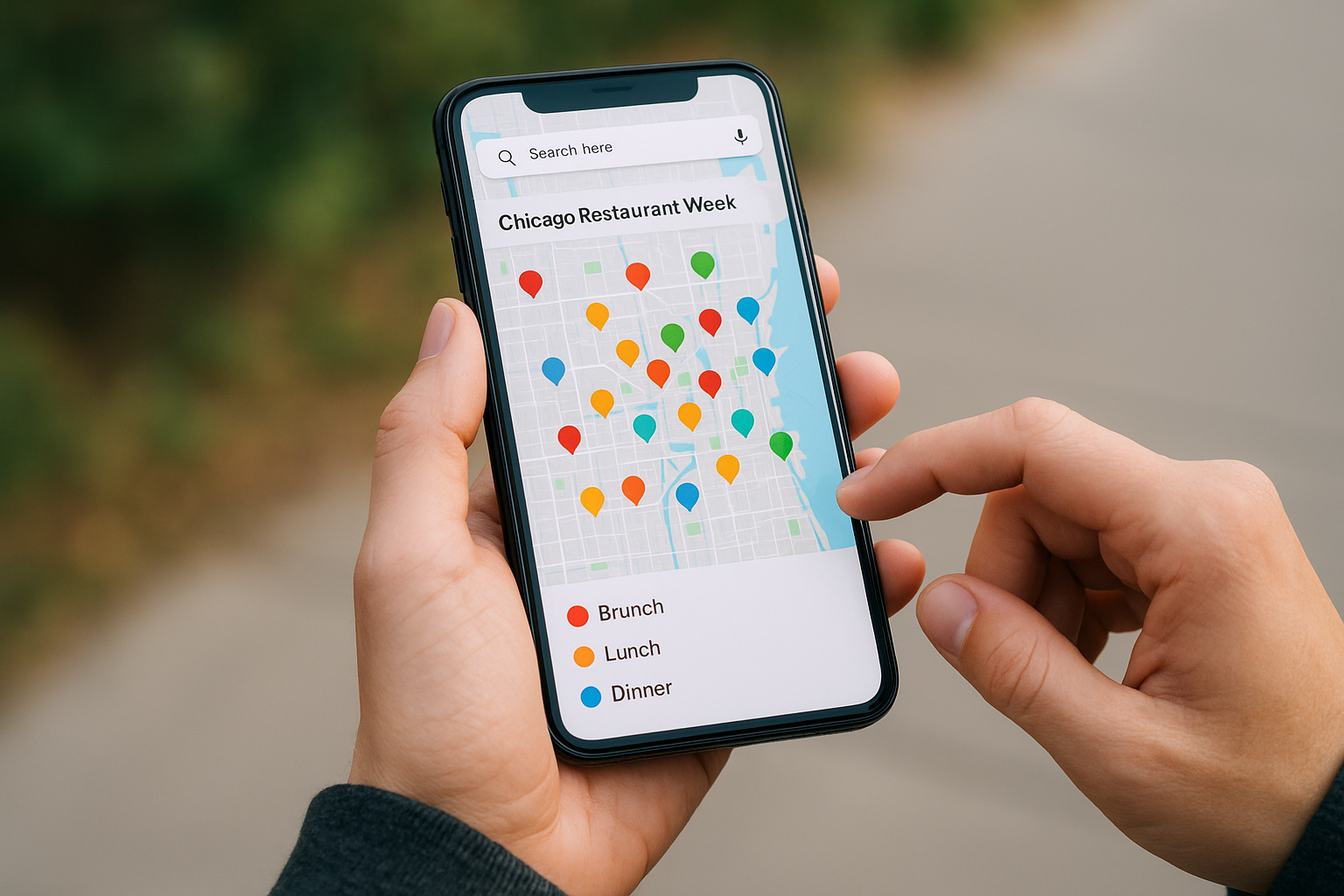
Food enthusiasts and neighborhood advocates often publish custom Google Maps that organize Restaurant Week participants into color-coded layers based on meal type or location characteristics. You can find these maps by searching "Chicago Restaurant Week Google Map" on social platforms or local food groups, where creators share public links that let you toggle between different viewing modes. These tools work best when you want to compare multiple neighborhoods or meal periods at a glance without switching between separate pages.
How layered maps help you pick brunch, lunch, or dinner
Each layer in these chicago restaurant week map tools represents a specific meal period, so you can turn brunch spots on or off while keeping dinner locations visible. This separation prevents visual clutter when you’re only interested in one meal type, and it helps you identify neighborhoods with strong brunch offerings versus areas that focus exclusively on evening service. You can click individual pins to see restaurant names and addresses without losing track of which meal period they serve.
How to use it to find clusters near transit and parking
Community maps often include transit station markers and parking garage pins layered alongside restaurant locations. You can activate the transit layer to spot CTA stops within walking distance of multiple participating restaurants, then plan a route that minimizes travel time between meals or drinks. These maps make it obvious which neighborhoods offer the densest concentration of options, saving you from backtracking across the city.
"Layered community maps reveal restaurant clusters near transit lines that official tools often bury in long scrolling lists."
How to save pins and share a route with friends
Google Maps lets you star individual locations directly from a shared map, adding them to your personal saved places list. You can then export those pins into a new custom map that includes only your chosen restaurants, complete with notes on reservation times or menu preferences. Sharing the link with friends through text or email gives everyone in your group access to the same itinerary, reducing confusion about meeting spots.
What to verify before you book
Community maps rely on user submissions and manual updates, which means you might encounter outdated information if a restaurant drops out or changes its menu tier. Always confirm reservation availability and current pricing by calling the restaurant or checking its official website before you commit to a visit.
5. Build your own Chicago Restaurant Week map
Creating a personalized chicago restaurant week map gives you full control over how you organize restaurants, filter options, and share plans with your dining group. You can build this tool in under ten minutes using Google Maps, which syncs across devices and lets you add custom notes to each saved location. This approach works best when you want to track restaurants across multiple neighborhoods or coordinate complex multi-day itineraries.
How to create a saved list in Google Maps
Open Google Maps on any device, tap the menu icon, and select "Your places" followed by "Create map." You can name your map something specific like "Restaurant Week 2026" to separate it from other saved lists. Each time you search for a participating restaurant, click the "Save" button and choose your custom map to add that location as a pinned marker.
How to label pins by neighborhood and meal type
Click any saved pin to open its info window, then select "Add label" to type in identifiers like "Portage Park Dinner" or "Loop Lunch." You can also change pin colors to represent different meal types, making it easier to scan the map for brunch spots versus dinner options at a glance.
"Custom labels and color codes turn a basic saved map into a functional planning tool that reflects your specific dining priorities."
How to plan a realistic route with timing and travel
Add estimated dining durations (90 minutes for most prix fixe meals) to each pin’s notes field, then calculate drive times between locations. You want to leave at least 30 minutes of buffer for parking and check-in to avoid running late for your next reservation.
How to keep your map updated as menus change
Check restaurant websites or call directly 48 hours before each visit to confirm menu availability, then update your map notes with any changes. Remove pins for restaurants that sell out or cancel participation to keep your routing accurate.
Next steps
Using a chicago restaurant week map transforms what could be a chaotic dining experience into a strategic food crawl across neighborhoods you might never explore otherwise. You now have multiple tools to filter by price tier, meal type, and location, plus the skills to verify details and avoid common booking mistakes. The map approach helps you maximize value per meal while discovering restaurants that don’t always make the crowded downtown lists.
Your next move depends on whether you want a single special meal or a full week of prix fixe dining. Start by plotting two to three neighborhoods that cluster well together, then cross-reference maps with actual menus to confirm the deals match your expectations. If you’re ready to experience authentic Italian cuisine in Portage Park, reserve your table at La Dolce Vita Cucina and taste what a neighborhood restaurant brings to Chicago Restaurant Week without the downtown crowds.