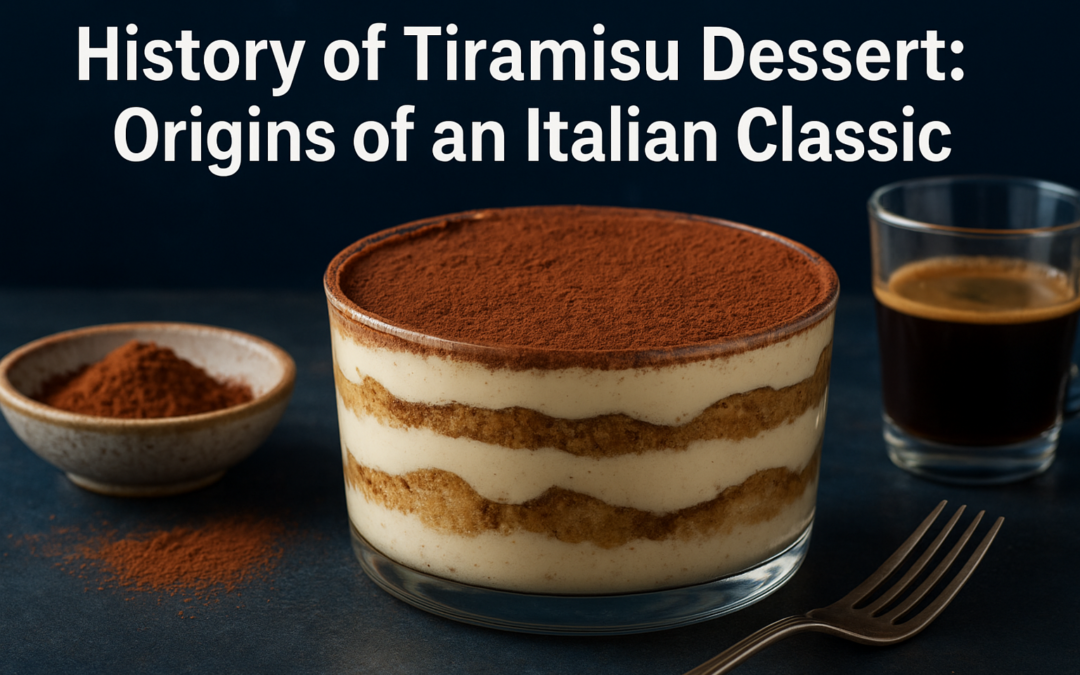
Tiramisu translates to pick me up in Italian, and the name fits perfectly. This layered dessert combines espresso-soaked ladyfingers with mascarpone cream and a dusting of cocoa powder. Yet the history of tiramisu dessert spans only decades, not centuries like many assume. Despite its fame as an Italian icon, pinpointing where and when it originated remains surprisingly difficult.
The article explores competing theories about tiramisu’s invention, from restaurants in northern Italy to older myths about Tuscan origins. You’ll learn why the 1960s and 1980s both claim credit, how the dessert got its evocative name, and what sparked its meteoric rise in America. We’ll also break down the essential ingredients that define an authentic version and separate fact from folklore in one of Italy’s most debated culinary stories.
Why the history of tiramisu remains a mystery
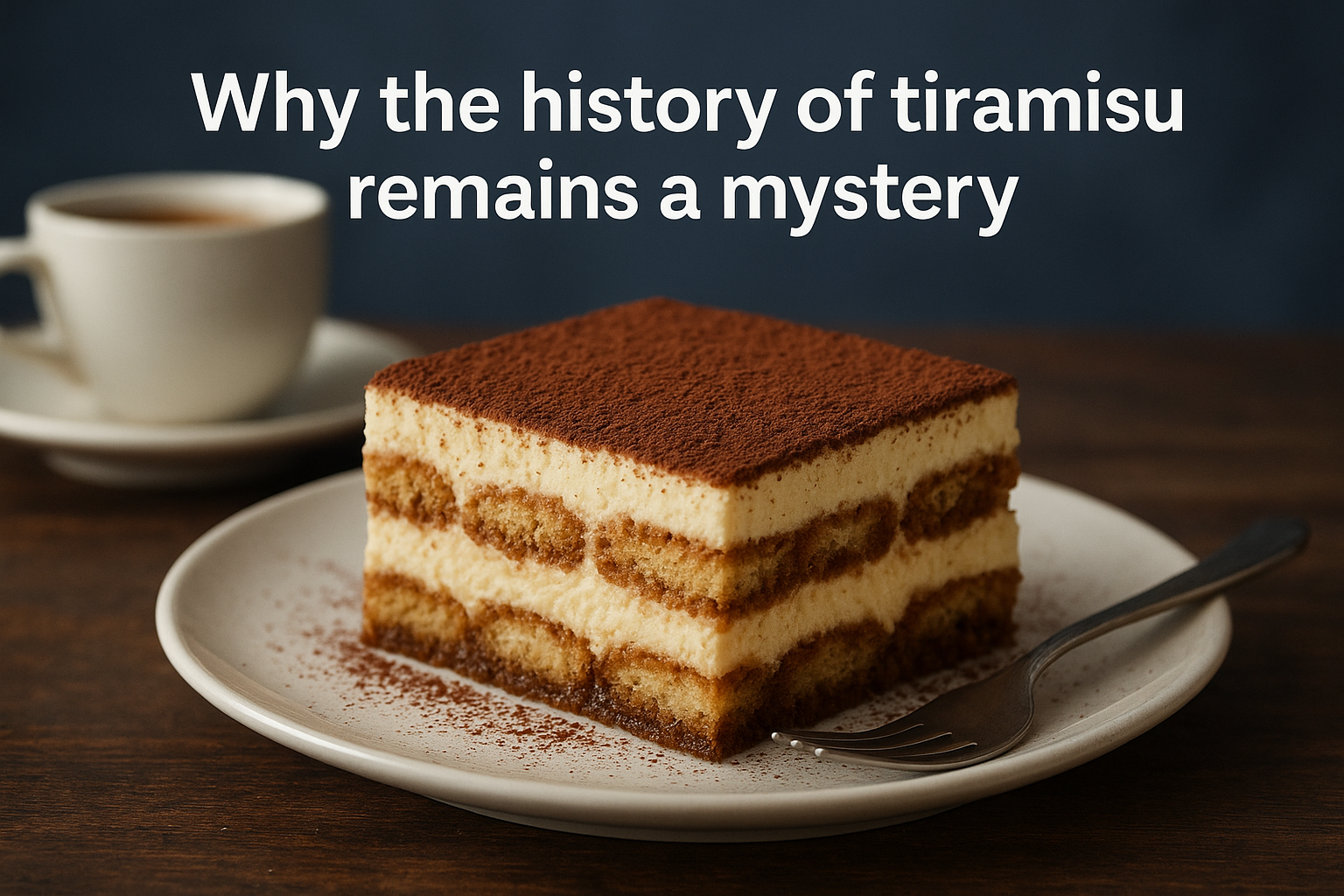
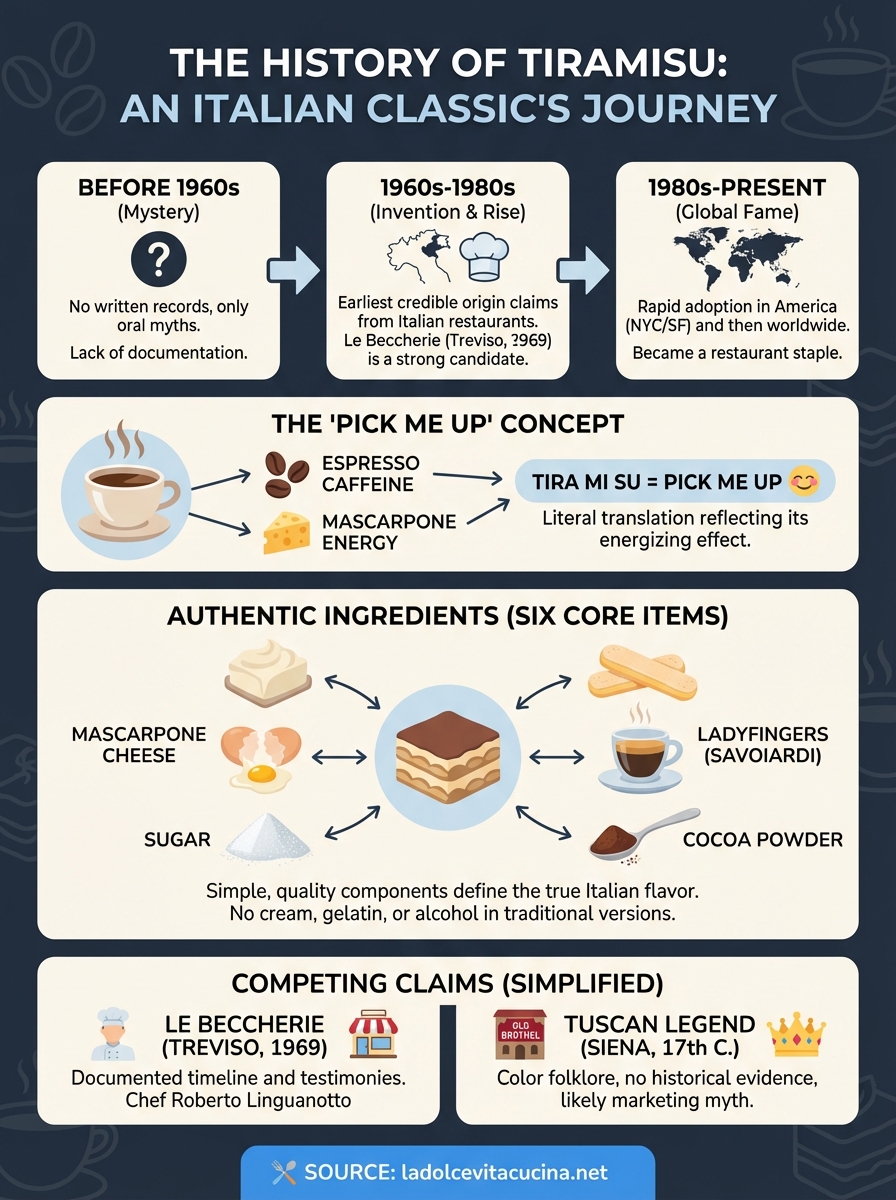
The history of tiramisu dessert lacks the documentation you’d expect from an iconic dish. No cookbook mentions tiramisu before the 1960s, and written recipes don’t appear in Italian publications until the 1980s. This gap makes it nearly impossible to verify which restaurant or chef deserves credit for the invention.
No written records before the 1960s
You won’t find tiramisu in classic Italian cookbooks from earlier decades. The absence of early recipes suggests the dessert emerged recently, yet multiple regions claim centuries-old connections. Food historians point to the 1960s as the earliest credible period for tiramisu’s creation, based on oral testimonies from restaurant workers and family members. Written evidence simply doesn’t exist to support older origin stories, no matter how romantic they sound.
The lack of documentation before 1960 forces historians to rely on personal accounts that often contradict each other.
Competing claims from Italian restaurants
At least three Italian establishments claim they invented tiramisu. Le Beccherie restaurant in Treviso says chef Roberto Linguanotto created it in 1969 alongside Alba Campeol. Meanwhile, a restaurant in Carpenedo insists it served the dessert in the late 1960s. Some accounts even credit Tuscany with earlier versions tied to historical figures, though these stories lack proof. Each claim comes with passionate defenders and conflicting details about ingredients, preparation methods, and exact dates. The overlapping timelines and regional pride make separating fact from marketing nearly impossible. You end up with a dessert whose recent invention somehow spawned competing legends within the same decade.
How the name tiramisu defines the dessert
The Italian phrase "tira mi su" literally means pick me up or lift me up. You can trace this directly to the dessert’s purpose: the combination of espresso, sugar, and mascarpone provides an energy boost. The name itself tells you what to expect before you take the first bite.
Why espresso makes the name literal
The caffeine content from espresso-soaked ladyfingers delivers the promised lift. Each layer absorbs coffee, giving you both flavor and function in one dessert. Restaurants in the 1960s likely chose this name because diners could feel the effect immediately after eating.
The history of tiramisu dessert shows that practical naming helped the dish spread beyond its region of origin. You find the same energizing promise in cafes worldwide, even when translation varies by language. The direct connection between name and experience made marketing unnecessary.
The name tiramisu perfectly captures both the taste experience and the caffeinated effect that made it popular.
Cultural meaning behind the phrase
Italians use "tira mi su" in everyday conversation when they need encouragement or energy. The dessert borrows this colloquial expression and turns it into a culinary promise. You experience comfort and stimulation at the same time, which explains why the name resonates across languages and cultures.
Theories about the invention of tiramisu
You encounter multiple origin stories when researching the history of tiramisu dessert, each backed by passionate supporters. The most credible accounts point to northern Italy in the 1960s, while older legends tie the dessert to Tuscany centuries earlier. These competing theories share similar ingredients but differ dramatically in their historical context and supporting evidence.
Le Beccherie in Treviso’s version
The Treviso restaurant Le Beccherie claims chef Roberto Linguanotto created tiramisu in 1969 with owner Alba Campeol. You find their version supported by family testimonies and business records from that period. Linguanotto reportedly combined mascarpone, eggs, and ladyfingers as a variation of sbatudin, a traditional Venetian dessert. The restaurant maintains detailed accounts of how the recipe evolved through customer feedback and refinement.
Le Beccherie’s documented timeline and witness accounts make it the strongest candidate for tiramisu’s modern invention.
The Tuscan brothel legend
A more colorful theory places tiramisu’s origins in 17th-century Siena, created in a brothel to energize clients. You should treat this story skeptically since no historical evidence exists to support it. Food historians dismiss the tale as marketing folklore designed to add intrigue to the dessert’s background. The theory fails to explain why no written records mention tiramisu until the 20th century.
Rise of tiramisu in America and beyond
The history of tiramisu dessert took a dramatic turn when Italian restaurants in America discovered the dish in the 1980s. You started seeing tiramisu on menus across major cities, where it quickly became the default Italian dessert choice. The simple preparation method and familiar ingredients made it easy for chefs to replicate, while the name’s exotic appeal attracted curious diners.
American adoption in the 1980s
New York and San Francisco restaurants led the American tiramisu movement in the early 1980s. You found Italian establishments adding the dessert to compete with French options like crème brûlée. The coffee-flavored profile resonated with American tastes, especially as espresso culture expanded during the same decade. Home cooks embraced tiramisu because it required no baking and delivered impressive presentation with minimal technique.
The 1980s transformed tiramisu from a regional Italian specialty into an international restaurant staple.
Global expansion through Italian restaurants
Italian restaurants worldwide adopted tiramisu by the late 1990s, making it nearly universal. You encounter versions in Asia, Australia, and Latin America that maintain the core structure while adapting to local preferences. The dessert’s visual appeal and reliable crowd-pleasing qualities made it a safe menu addition for any establishment serving Italian food.
Essential ingredients in the traditional recipe
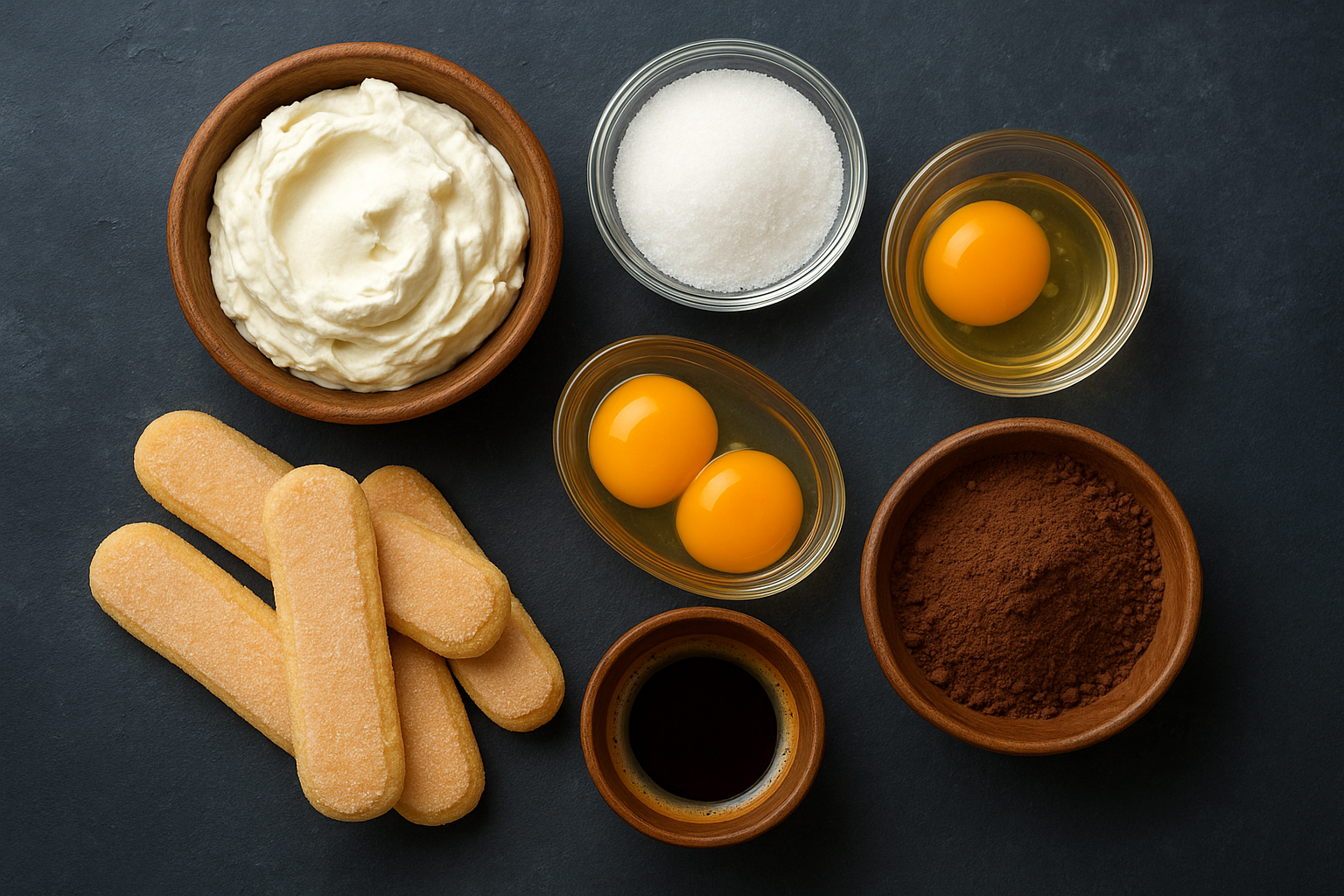
The history of tiramisu dessert reveals a surprisingly short ingredient list, yet each component serves a specific purpose. You need only six essential items to create an authentic version: mascarpone cheese, eggs, sugar, ladyfinger cookies, espresso, and cocoa powder. The simplicity explains why the dessert spread so quickly once restaurants discovered the recipe in the 1960s.
Core components that define authenticity
Mascarpone cheese provides the creamy foundation that separates tiramisu from other coffee desserts. You combine this Italian cream cheese with egg yolks and sugar to create the rich custard layer. The ladyfinger cookies (savoiardi) must absorb espresso without dissolving completely, which requires their specific dry, sponge-like texture. Authentic recipes avoid whipped cream, gelatin, or alcohol, though many modern versions add these elements.
Traditional tiramisu relies on just six ingredients, proving that quality matters more than complexity.
Why fresh espresso makes the difference
You achieve the signature coffee flavor only with freshly brewed espresso, not instant coffee or pre-made beverages. The bitter notes from real espresso balance the sweet mascarpone and create the energizing effect the name promises. Restaurants that substitute weaker coffee produce a dessert that misses the authentic intensity expected from proper tiramisu.
Experience authentic Italian flavors
The history of tiramisu dessert demonstrates how simple ingredients and skilled preparation create unforgettable dining experiences. You discover authentic Italian cooking when restaurants focus on quality mascarpone, fresh espresso, and traditional techniques rather than convenient shortcuts. The dessert’s relatively recent invention in the 1960s proves that culinary classics don’t require centuries of refinement, just unwavering commitment to proper execution and genuine respect for ingredients.
La Dolce Vita Cucina brings this same dedication to every dish we serve in Chicago’s Portage Park neighborhood. You’ll find Italian traditions prepared with the meticulous attention to detail that made tiramisu a global phenomenon. Our kitchen emphasizes fresh ingredients and authentic methods throughout our complete menu, whether you’re ordering house-made linguini, premium Loch Duart Salmon, or our signature desserts and gelato.
Visit La Dolce Vita Cucina to experience the clear difference between mass-produced Italian food and dishes crafted with genuine respect for tradition.