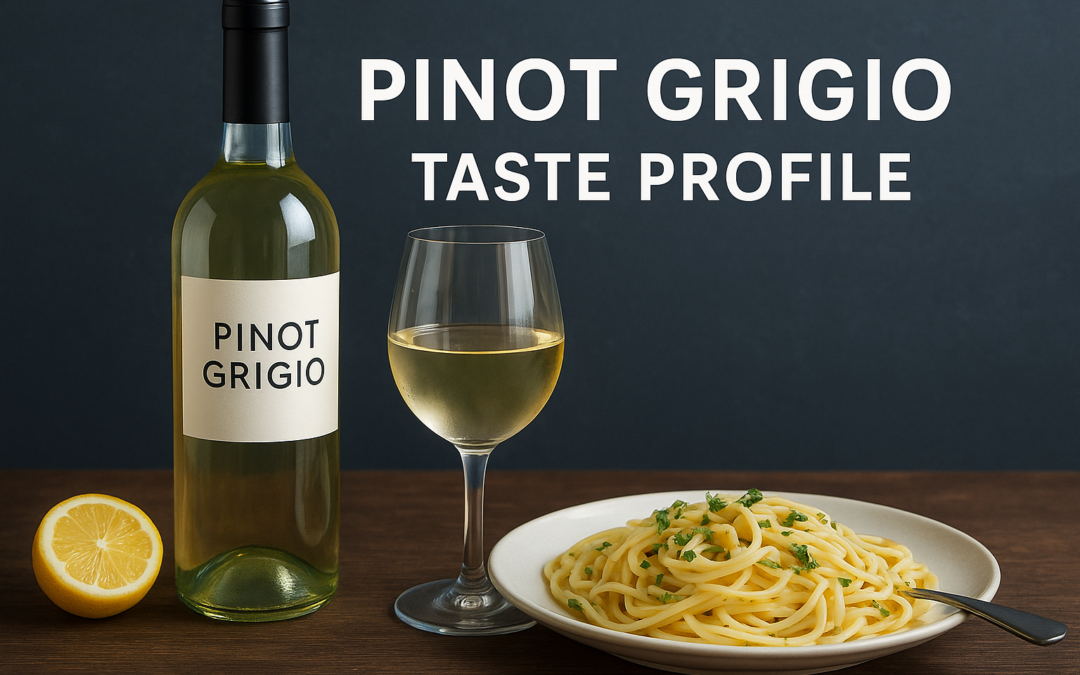
Pinot Grigio ranks among the most popular white wines ordered at Italian restaurants, and for good reason. Understanding the Pinot Grigio taste profile helps you pair this crisp wine with the right dishes, whether you’re enjoying homemade linguini or fresh seafood.
At La Dolce Vita Cucina in Chicago’s Portage Park neighborhood, we pour Pinot Grigio alongside our authentic Italian dishes because its bright acidity and clean finish complement everything from pasta to our chef-recommended Loch Duart Salmon. But what exactly gives this wine its characteristic crispness? What flavor notes should you expect when you take that first sip?
This guide covers Pinot Grigio’s primary flavors, body, acidity levels, and dryness. You’ll also learn how it compares to Pinot Gris and discover which foods bring out its best qualities, helpful knowledge whether you’re ordering at a restaurant or building your wine collection at home.
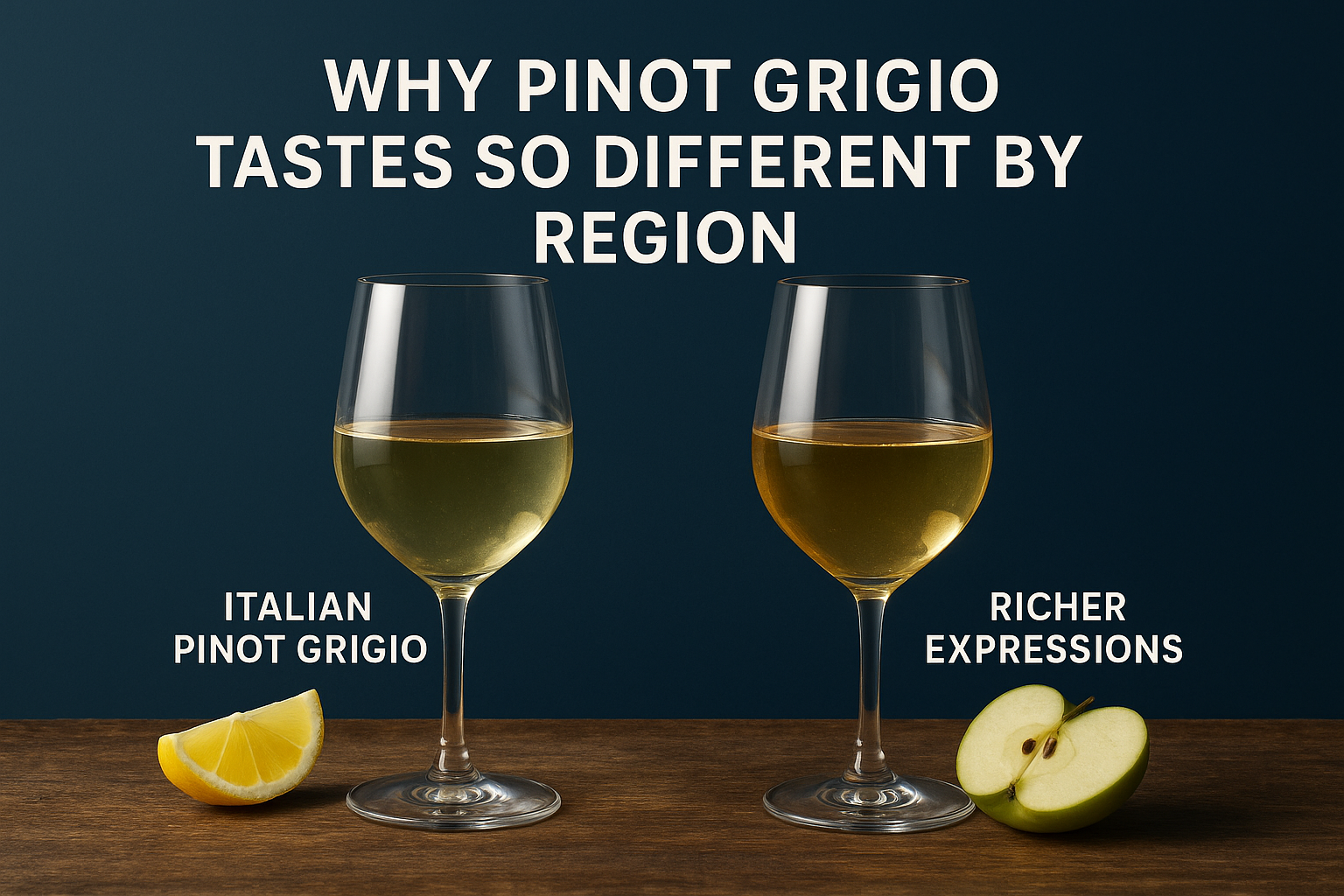
Why Pinot Grigio tastes so different by region
You’ll notice dramatic differences when you compare Italian Pinot Grigio to bottles from other wine regions. The grape itself stays the same, but climate conditions, winemaking traditions, and harvest timing create distinct flavor profiles that can taste worlds apart. Where the grapes grow determines whether you get a light, zippy wine or something richer with more body.
Italian Pinot Grigio characteristics
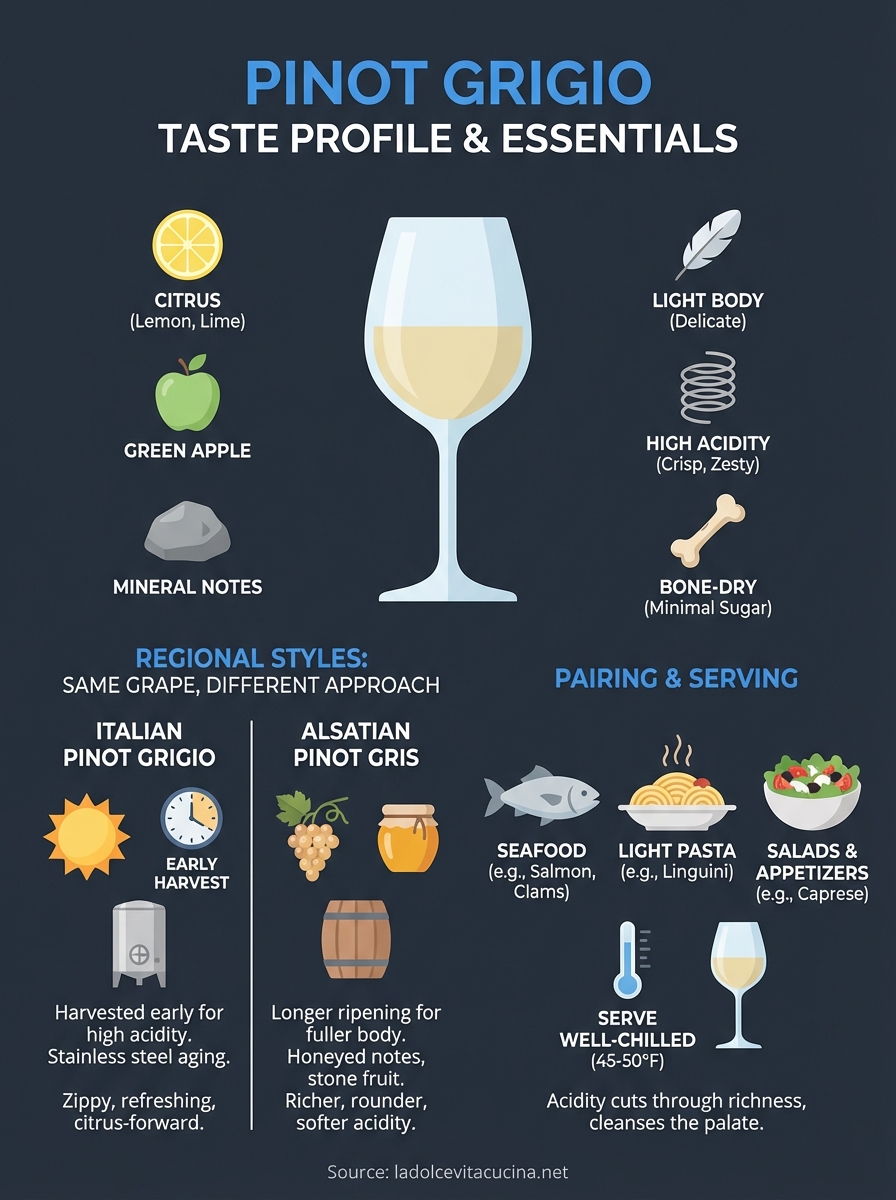
Italian producers, especially those in the Veneto and Friuli regions, harvest Pinot Grigio grapes earlier in the season. This early picking preserves high acidity and creates the crisp, refreshing style most people associate with the pinot grigio taste profile. You get citrus-forward flavors like lemon and lime, often with green apple notes and a light mineral quality. The wines typically show minimal oak influence since winemakers ferment them in stainless steel tanks to keep that clean, bright character intact.
Italian Pinot Grigio delivers the zesty, food-friendly acidity that makes it a natural match for seafood, salads, and lighter pasta dishes.
Richer expressions from other regions
Alsace in France takes a different approach with the same grape, though they call it Pinot Gris instead. Winemakers there let the grapes ripen longer on the vine, which builds more sugar and fuller body. The result tastes rounder and shows honeyed notes, stone fruit flavors, and sometimes a subtle spice character. You’ll find similar fuller-bodied styles in Oregon and parts of Germany, where cooler climates still allow extended hang time without losing all the acidity. These versions pair better with richer dishes like roasted chicken or cream-based sauces, while the Italian style works perfectly with lighter fare you’d find at an authentic Italian restaurant.
What Pinot Grigio tastes like in the glass
When you pour Pinot Grigio into your glass, you’ll notice it pours a pale straw color, sometimes with greenish hints that signal its youthful character. The pinot grigio taste profile centers on bright citrus flavors and clean, refreshing notes that make it instantly drinkable. You won’t find heavy, complex layers here, but that simplicity works in its favor as a versatile food wine.
Primary flavor notes
Your first sip typically reveals lemon and lime as the dominant flavors, often joined by green apple or pear notes. Some bottles show hints of white peach or nectarine, though these softer fruit flavors stay subtle rather than sweet. You might detect a mineral quality that tastes almost like wet stone, especially in bottles from Northern Italy. The finish usually stays clean and short, leaving your palate refreshed rather than coated.
Pinot Grigio’s citrus-forward character makes it one of the easiest white wines to pair with food, particularly seafood and light pastas.
Aromatic characteristics
Before you even taste the wine, the aromatic profile tells you what’s coming. You’ll catch fresh citrus on the nose, sometimes accompanied by almond or white flower notes. Italian versions often show more restrained aromatics compared to richer styles, keeping the focus on that crisp, straightforward character that pairs perfectly with Italian cooking.
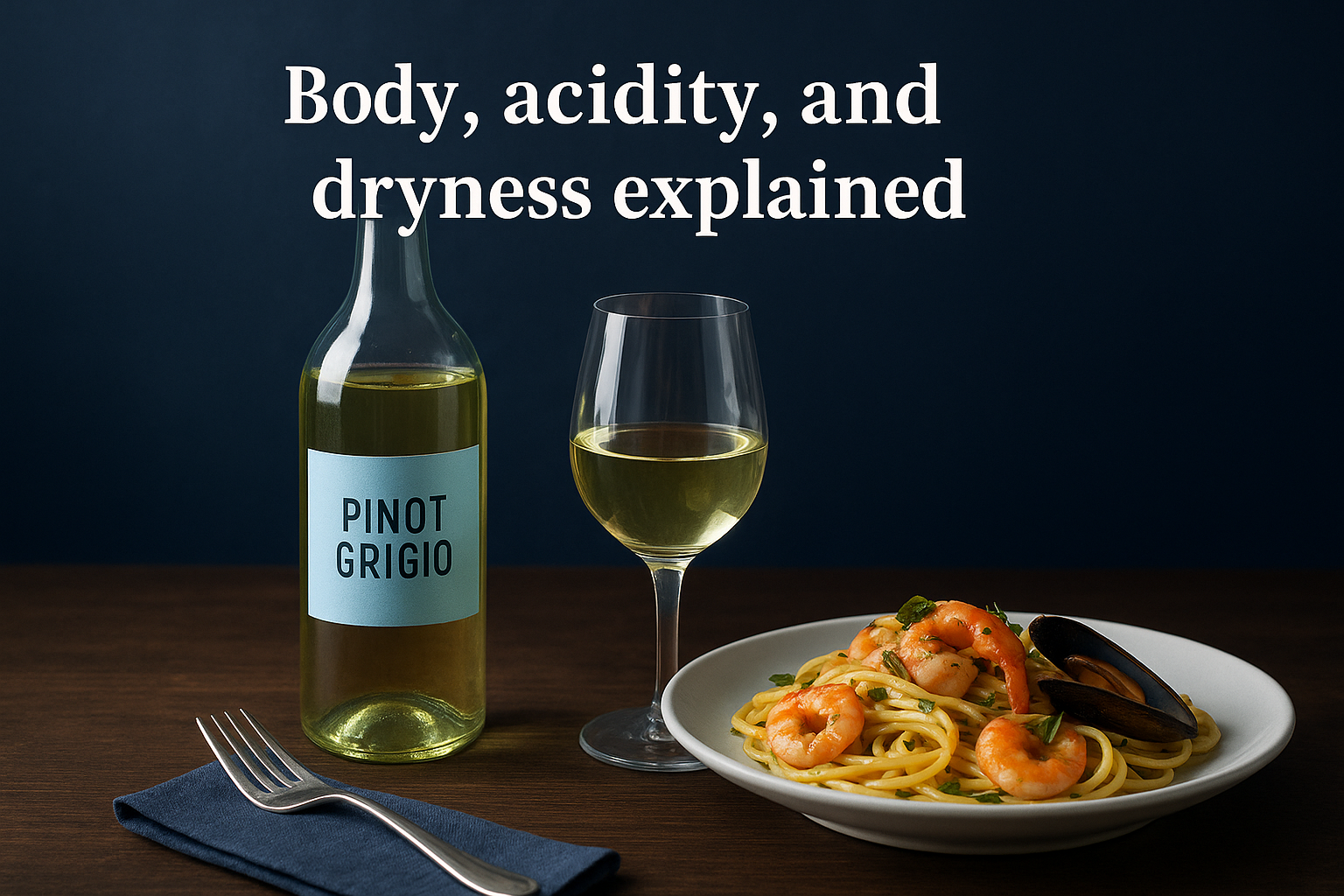
Body, acidity, and dryness explained
Understanding the structural elements of Pinot Grigio helps you predict how it will taste and what foods will work best with it. The pinot grigio taste profile relies on three key characteristics: light body, high acidity, and bone-dry finish. Each element plays a specific role in creating that crisp, refreshing quality you experience when you take a sip.
Body and acidity working together
Pinot Grigio carries a light to medium body that feels delicate on your palate rather than heavy or coating. You won’t get the rich, viscous texture you’d find in oaked Chardonnay. Instead, the wine feels almost weightless, making it incredibly easy to drink with meals. This lighter body comes from minimal skin contact during fermentation and stainless steel aging that preserves the grape’s natural brightness. The high acidity cuts through rich dishes like cream sauces or fatty fish, cleansing your palate between bites. That sharp, crisp quality makes it an ideal pairing for seafood at Italian restaurants.
High acidity in Pinot Grigio acts like a squeeze of lemon, brightening flavors and balancing heavier ingredients in your meal.
Understanding the dry finish
When winemakers describe Pinot Grigio as "dry," they mean it contains minimal residual sugar. You won’t detect sweetness when you sip it, even though you might taste fruit flavors. The bone-dry character leaves your mouth feeling clean rather than sticky, encouraging another sip and making it perfect for pairing with savory Italian cooking.
Pinot Grigio vs Pinot Gris and similar whites
The same grape variety creates two distinct wine styles depending on where it grows and how winemakers handle it. Understanding these differences helps you select bottles that match your preferred taste and meal pairings. You’ll also discover several white wines that share similar characteristics with the pinot grigio taste profile, giving you alternatives when you want to explore new options.
Pinot Grigio and Pinot Gris: same grape, different styles
Italian Pinot Grigio delivers that light, crisp character you’ve read about, with bright acidity and citrus flavors dominating the profile. French Pinot Gris, especially from Alsace, shows richer body and softer acidity, often tasting of honeyed stone fruit rather than zesty lemon. The grape remains identical, but Italian producers harvest earlier and use stainless steel fermentation, while Alsatian winemakers let grapes ripen longer and sometimes use oak aging. You get completely different experiences from these two approaches.
Choose Italian Pinot Grigio when you want a refreshing, food-friendly wine that won’t overpower light dishes.
Similar alternatives worth trying
Verdicchio from Italy’s Marche region offers comparable crisp acidity and citrus notes, often with more mineral character. You’ll find Soave provides similar lightness with slightly rounder texture. Albariño from Spain brings bright acidity and citrus flavors but adds more aromatic intensity and peach notes that make it slightly more complex than basic Pinot Grigio.
How to choose, serve, and pair Pinot Grigio
You can maximize your enjoyment of the pinot grigio taste profile by making smart bottle selections and serving it correctly. The right temperature and glassware bring out those citrus flavors and crisp acidity, while proper pairings turn a good meal into something memorable.
Selecting the right bottle
Look for bottles from Friuli or Veneto if you want classic Italian style with bright acidity. Check the vintage date to ensure freshness, as Pinot Grigio tastes best within two years of harvest. Avoid bottles sitting upright under bright store lights, which can damage the wine’s delicate flavors.
Serving temperature and glassware
Serve Pinot Grigio well-chilled at 45-50°F to preserve its refreshing quality. Remove it from your refrigerator about 10 minutes before serving if it feels too cold to taste. Use a standard white wine glass with a smaller bowl that concentrates aromas without warming the wine too quickly.
Proper serving temperature makes the difference between a flat-tasting wine and one that delivers crisp, lively citrus notes.
Classic food pairings
Pinot Grigio cuts through rich seafood like grilled salmon or linguini with clams beautifully. The high acidity balances cream sauces and complements light appetizers such as bruschetta or caprese salad. Try it with our chef-recommended Loch Duart Salmon for a perfect match of wine and food.
A simple way to enjoy Pinot Grigio
You now understand the pinot grigio taste profile well enough to select bottles that match your meals and personal preferences. The wine’s bright citrus flavors, crisp acidity, and light body make it one of the most versatile whites you can pour, whether you’re eating at home or dining out at an Italian restaurant.
Start with a well-chilled bottle from Northern Italy to experience the classic style, then branch out to richer versions if you prefer more body and fruit flavors. You’ll find this wine pairs naturally with seafood, pasta, and light appetizers, making it an ideal choice for Italian cooking. Stop by La Dolce Vita Cucina in Chicago’s Portage Park neighborhood to taste how Pinot Grigio complements our authentic Italian dishes, from homemade linguini to our chef-recommended salmon. Our team can guide you through perfect pairings that bring out the best in both wine and food.