
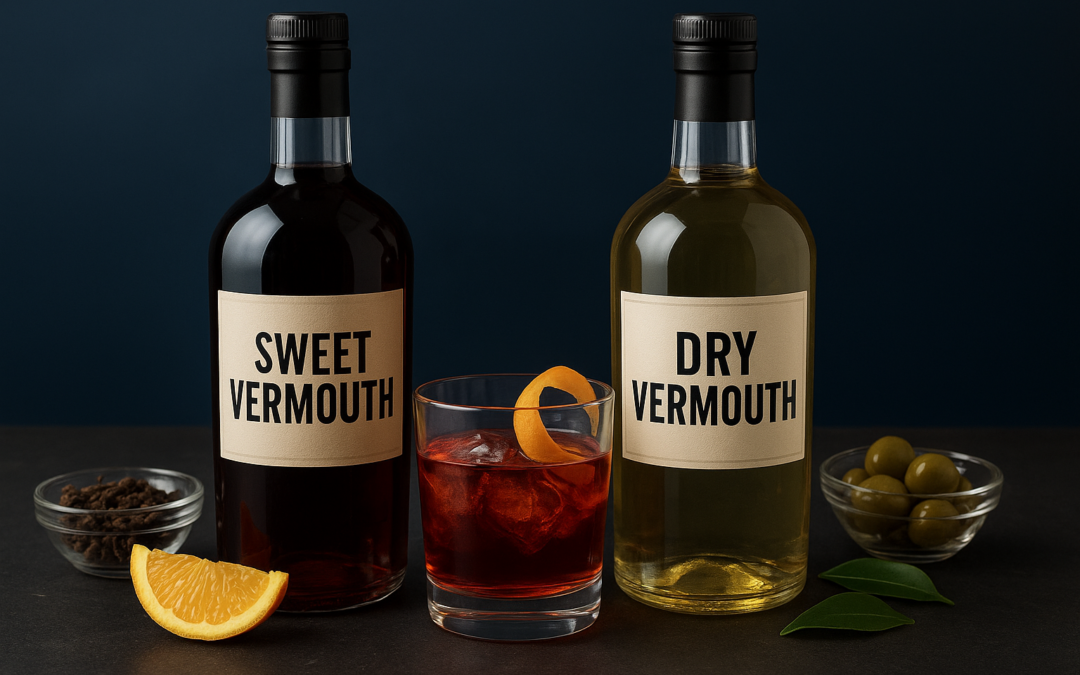
You’re standing at a bar, cocktail menu in hand, and notice a Negroni calls for sweet vermouth while a Martini demands dry. What’s the difference, and why does it matter? Understanding sweet vs dry vermouth comes down to three factors: flavor profile, sugar content, and how each transforms a cocktail.
At La Dolce Vita Cucina, we take our cocktail program seriously because vermouth is central to Italian aperitivo culture. Whether you’re sipping a classic Manhattan at our happy hour or mixing drinks at home, knowing which vermouth to reach for makes all the difference between a good cocktail and a great one.
This guide breaks down the essential differences between sweet and dry vermouth, from how they’re made to which bottles belong in your home bar. You’ll learn exactly when to use each style and discover why these fortified wines have earned their place in some of the world’s most beloved cocktails.
Why the sweet vs dry vermouth difference matters
The wrong vermouth can wreck a cocktail. You wouldn’t put salt in your coffee, and you shouldn’t substitute dry vermouth in a Manhattan or sweet vermouth in a Martini. Understanding the sweet vs dry vermouth distinction helps you build balanced drinks that taste the way bartenders intended.
The flavor impact on your cocktails
Sweet vermouth brings rich, spiced, and herbaceous notes to drinks like the Negroni and Manhattan. You get botanicals like vanilla, caramel, and warming spices that complement dark spirits. Dry vermouth delivers crisp, floral, and subtle flavors that work in drinks where you want elegance over sweetness, like a classic Martini or a refreshing Reverse Martini.
The sugar content alone makes each type play a completely different role. Sweet vermouth typically contains 15 to 20 percent sugar, creating body and depth that can stand up to bold whiskey or gin. Dry vermouth clocks in at under 4 percent sugar, which keeps cocktails light and allows the base spirit to shine through without heavy sweetness weighing down each sip.
When you match the right vermouth to your cocktail, you create harmony between all the ingredients rather than fighting against the drink’s intended profile.
What happens when you use the wrong type
Using sweet vermouth in a Martini turns your crisp cocktail into a sticky, overly sweet mess that masks the gin’s botanicals. Your drink becomes cloying instead of refreshing. Flip the mistake and put dry vermouth in a Manhattan, and you’ll get a thin, unbalanced cocktail that lacks the depth and warmth you expect from that classic whiskey drink.
Bartenders choose each vermouth style deliberately because the difference creates entirely separate cocktail families. Think of it like cooking: you wouldn’t swap maple syrup for lemon juice just because both are liquids. The same reasoning applies to vermouth selection in any well-crafted drink.
What sweet vermouth is and how it tastes
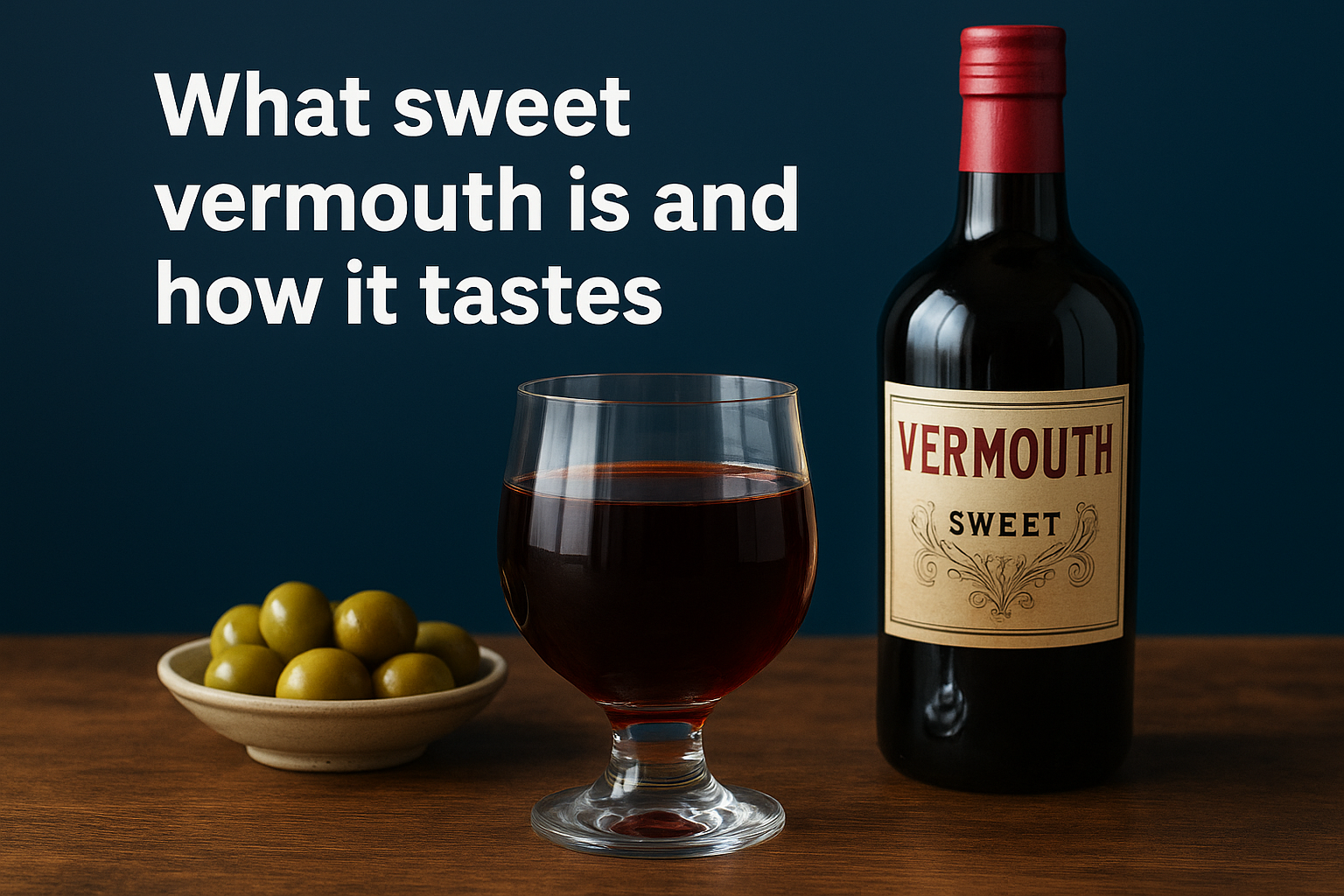
Sweet vermouth starts with white wine that’s been fortified with neutral grape spirit and infused with a blend of botanicals. Italian producers like Carpano and Cocchi pioneered this style in Turin during the 18th century, creating what Italians call vermouth rosso (red vermouth). The red color comes from caramel coloring, not red wine, and the sweetness level sits around 15 to 20 percent sugar by volume.
The botanicals that create the flavor
You’ll taste warming spices and aromatic herbs when you sip sweet vermouth straight or mixed in cocktails. Wormwood provides the bitter backbone that all vermouth requires by definition, while vanilla, cinnamon, clove, and orange peel add layers of complexity. Different brands emphasize different botanical combinations, which explains why a Carpano Antica Formula tastes distinctly different from a Dolin Rouge or Cocchi Torino.
The botanical blend in sweet vermouth creates a balance between bitter, sweet, and spiced notes that can’t be replicated by simple syrup or liqueurs.
How sweet vermouth transforms your drink
Sweet vermouth brings body and depth to spirit-forward cocktails like the Manhattan, Negroni, and Boulevardier. The sugar content smooths out sharp edges in whiskey or gin while the botanicals add complexity that makes each sip more interesting. When you understand the sweet vs dry vermouth distinction, you realize sweet vermouth isn’t just a mixer but a crucial ingredient that defines entire cocktail categories.
What dry vermouth is and how it tastes
Dry vermouth uses white wine as its base, just like sweet vermouth, but the production stops before adding much sugar. French producers in regions like Chambéry perfected this style, creating what the French call vermouth sec (dry vermouth). You’ll find dry vermouth contains less than 4 percent sugar by volume, making it the lighter, crisper sibling in the sweet vs dry vermouth family.
The botanical blend behind the taste
Dry vermouth showcases bright, floral, and herbaceous flavors rather than warm spices. You’ll detect chamomile, lemon peel, coriander, and white flowers in the botanical profile. Brands like Dolin Blanc and Noilly Prat emphasize different combinations, but all dry vermouths share that clean, refreshing quality that keeps cocktails crisp. The wormwood base provides subtle bitterness without the heavy caramel notes you taste in sweet vermouth.
Dry vermouth lets the base spirit speak while adding layers of botanical complexity that simple mixers can’t deliver.
How dry vermouth changes your cocktails
Dry vermouth brings elegance and lightness to gin or vodka cocktails without weighing them down with sugar. The Martini remains the most famous example, where just a small amount of dry vermouth adds depth to the spirit while keeping the drink bone-dry. You’ll also find dry vermouth in the Reverse Martini, where it takes center stage, and in aperitif-style drinks where its low sugar content makes for easy sipping before dinner.
How to pick the right vermouth for cocktails
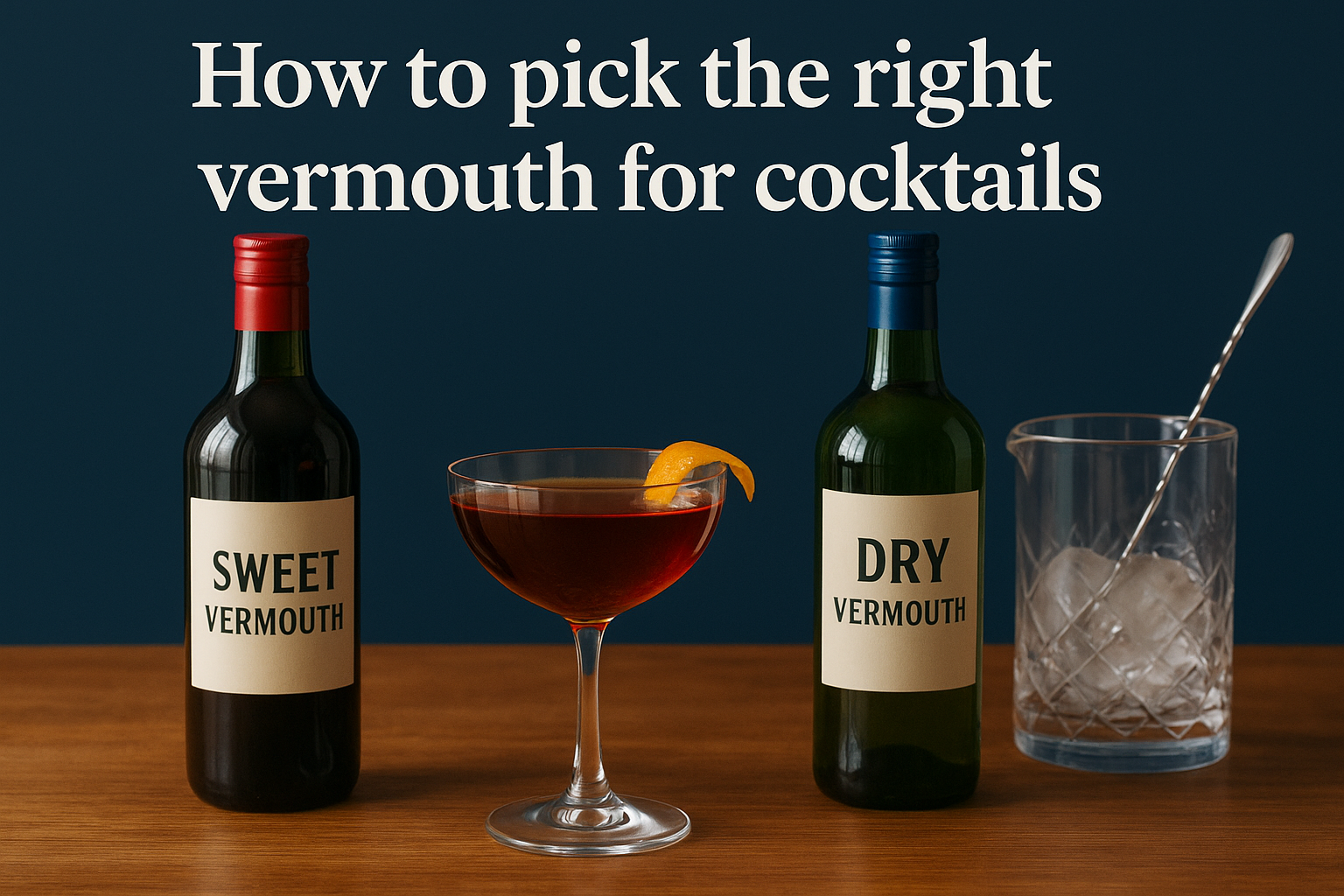
You don’t need to memorize hundreds of cocktail recipes to pick the right vermouth. The base spirit and intended flavor profile tell you everything you need to know. Start by asking whether your cocktail should taste rich and warming or crisp and refreshing, then let that answer guide your vermouth choice.
Match vermouth to your base spirit
Whiskey and aged spirits need sweet vermouth’s depth and spice to create balance. The Manhattan, Old Pal, and Boulevardier all rely on sweet vermouth to complement brown spirits’ oakiness and vanilla notes. Gin and vodka pair naturally with dry vermouth’s botanical lightness, which enhances rather than masks the spirit’s character in drinks like the Martini or Gibson.
Understanding the sweet vs dry vermouth distinction helps you build cocktails that work with your spirit rather than against it.
Consider the drink’s overall sweetness
Look at all the ingredients in your cocktail before choosing vermouth. If your recipe includes sweet liqueurs like Campari or Aperol, sweet vermouth adds complementary depth without overwhelming the drink. Cocktails with minimal additional sweetness call for dry vermouth’s restraint, which keeps the final drink balanced and prevents sugar overload that masks the base spirit’s qualities.
How to store, serve, and swap vermouth at home
Vermouth is fortified wine, not shelf-stable liquor, which means it oxidizes and loses flavor once you open the bottle. You need to treat both sweet and dry vermouth differently than whiskey or vodka to preserve their botanical complexity and fresh taste. Proper storage, serving temperature, and knowing when to substitute one style for another keeps your home bar ready for any cocktail situation.
Store vermouth in the fridge after opening
Your opened vermouth bottles belong in the refrigerator, where they’ll stay fresh for three to four weeks. Oxidation starts immediately after you break the seal, dulling the botanical flavors and turning your vermouth flat. Cap bottles tightly between uses and consider transferring vermouth to smaller bottles as you use it, which reduces air exposure and extends shelf life.
Refrigerated vermouth maintains its intended flavor profile, while room-temperature storage ruins your cocktails within days.
Serve each vermouth at its ideal temperature
Sweet vermouth tastes best slightly chilled at around 50 to 55 degrees Fahrenheit, which brings out its spiced botanicals without numbing your palate. Dry vermouth needs colder serving temperatures between 40 and 45 degrees to highlight its crisp, floral notes. Pull sweet vermouth from the fridge fifteen minutes before mixing, while dry vermouth goes straight from refrigerator to shaker.
Know when you can swap styles
Understanding sweet vs dry vermouth helps you make smart substitutions when you’re missing one type. You can’t swap them directly in most recipes, but blanc vermouth (semi-sweet) works as a middle ground in drinks where you need balanced sweetness. Dry vermouth plus a small amount of simple syrup approximates sweet vermouth’s body in emergencies, though you’ll lose the characteristic spice notes.
Quick recap
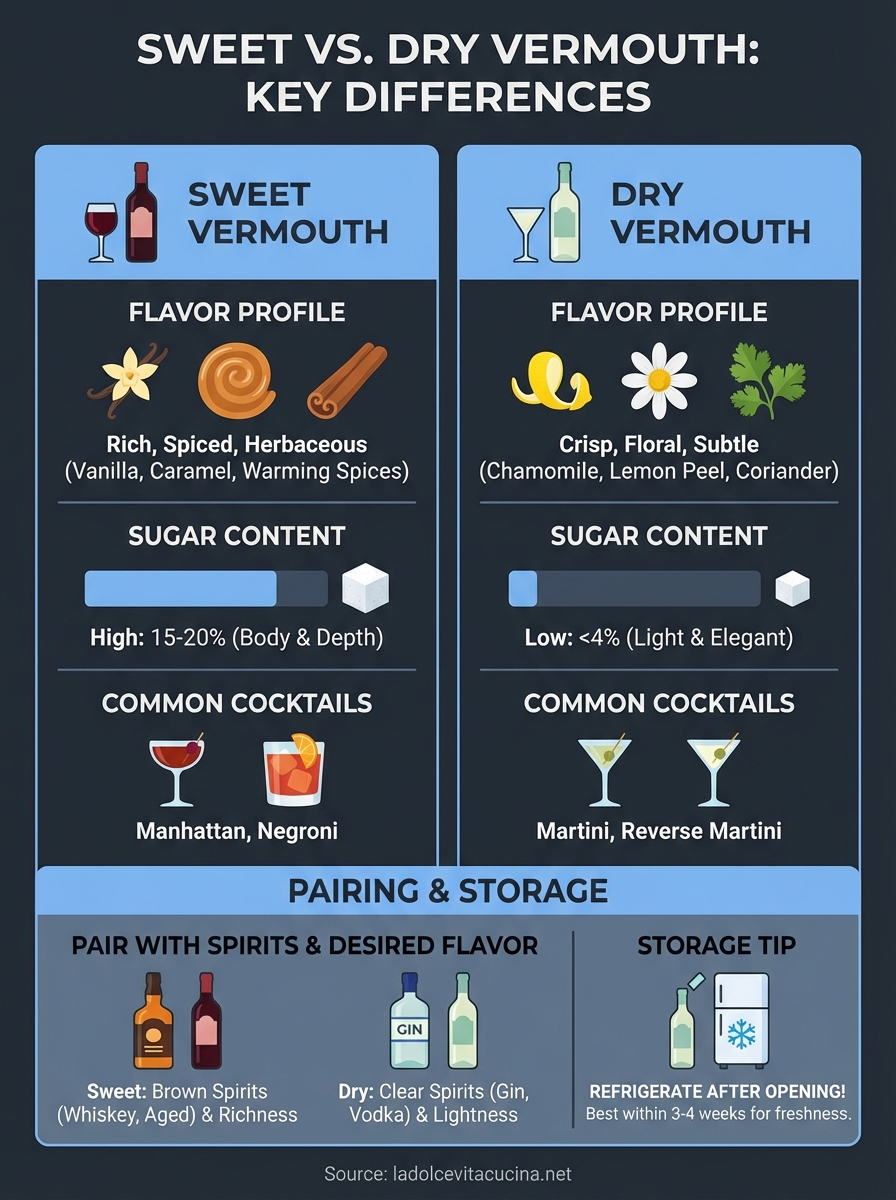
Understanding sweet vs dry vermouth transforms how you build and enjoy cocktails. Sweet vermouth delivers rich, spiced flavors with 15 to 20 percent sugar that complement brown spirits in drinks like Manhattans and Negronis. Dry vermouth brings crisp, botanical notes with under 4 percent sugar that keeps gin and vodka cocktails light and refreshing.
Your vermouth choice depends on your base spirit and desired flavor profile. Brown spirits need sweet vermouth’s depth, while clear spirits shine with dry vermouth’s elegance. Store both types in your refrigerator after opening, where they’ll maintain fresh botanical complexity for three to four weeks instead of going flat on your counter.
Ready to taste expertly crafted vermouth cocktails without mixing them yourself? Visit La Dolce Vita Cucina during happy hour Tuesday through Sunday, where our bartenders use premium Italian vermouths in classic cocktails that celebrate authentic aperitivo culture.