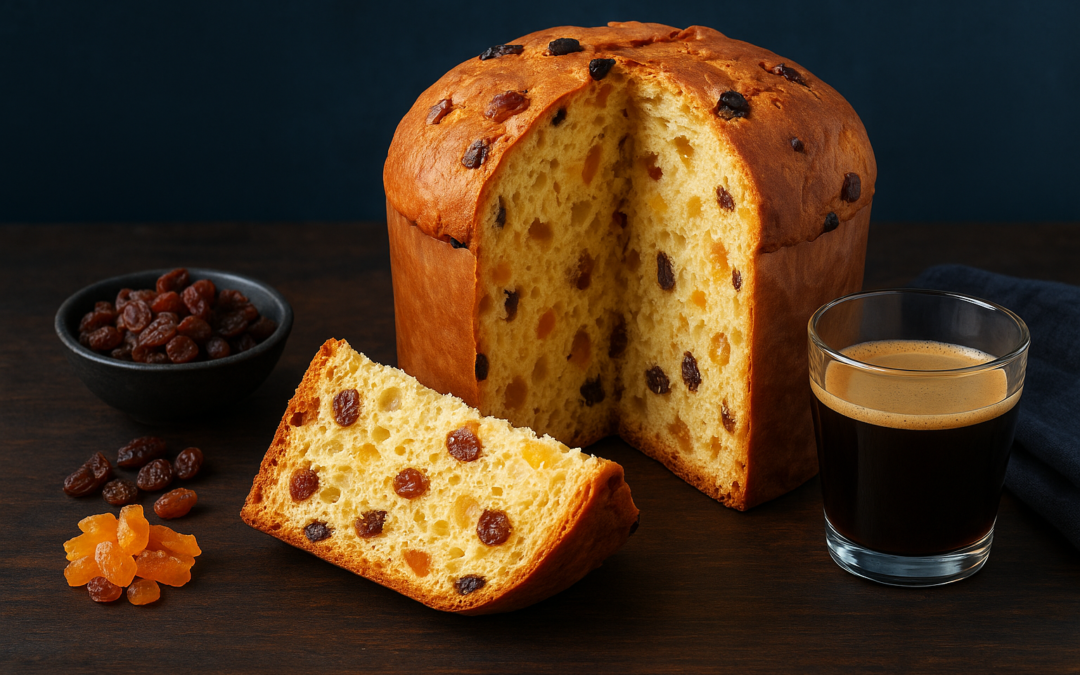
If you’ve ever walked past an Italian bakery during the holidays, you’ve likely spotted those tall, dome-shaped boxes stacked near the entrance. Inside sits panettone, Italy’s most beloved Christmas bread. But what is panettone exactly? It’s a sweet, airy loaf studded with candied fruits and raisins, born in Milan centuries ago and now enjoyed across the globe during festive celebrations.
At La Dolce Vita Cucina in Chicago’s Portage Park neighborhood, we celebrate these Italian traditions year-round. Panettone represents everything we love about Italian cuisine: time-honored techniques, quality ingredients, and food that brings people together. This bread isn’t just a holiday treat, it’s a symbol of Italian craftsmanship passed down through generations.
This guide covers panettone’s fascinating history, the traditional ingredients that give it that signature texture, and the best ways to enjoy it. Whether you’re tasting it for the first time or looking to deepen your appreciation, you’ll walk away knowing exactly why Italians guard this recipe so closely.
Why panettone matters at the holidays
You can’t separate panettone from Italian Christmas traditions. Italians have served this bread at holiday gatherings for over 500 years, making it as essential to their celebrations as decorated trees are to American homes. When you understand what is panettone in the cultural context, you realize it represents more than just a sweet bread. It embodies the Italian value of slowing down to share meaningful moments with loved ones.
The timing matters too. Bakeries begin producing panettone in early November, and families purchase it weeks before Christmas to ensure they have enough for unexpected guests. This preparation reflects the Italian hospitality tradition where turning someone away without offering food would be unthinkable. Your home always needs something special ready to share.
The gift-giving tradition
Panettone serves as Italy’s most popular holiday gift. You’ll find Italians carrying these distinctive tall boxes to dinner parties, giving them to colleagues, and sending them to distant relatives throughout December. The gift transcends social boundaries because everyone appreciates receiving a quality panettone, regardless of their economic background.
The act of gifting panettone signals respect and warmth, making it an edible expression of gratitude during the season.
Companies purchase thousands of panettone boxes each year to distribute to business partners and employees. This corporate tradition started in Milan’s industrial district and spread across Italy, cementing panettone’s role in both personal and professional relationships. When you give someone this bread, you’re participating in a tradition that connects modern Italy to its historical roots.
The communal experience
Breaking open a panettone creates a shared experience that draws people together. Italian families slice it at the table after Christmas Eve dinner, passing pieces around while conversation flows. You don’t eat this bread alone at your desk or hurriedly before leaving the house. It demands your attention and the company of others.
The bread’s size reinforces this communal aspect. A traditional panettone weighs at least one kilogram, far more than one person can consume in a sitting. This intentional abundance encourages you to invite neighbors over, extend your celebration across multiple days, and ensure no one leaves your home without tasting it. The holidays become richer when you have a reason to gather, and panettone provides that perfect excuse.
Where panettone comes from
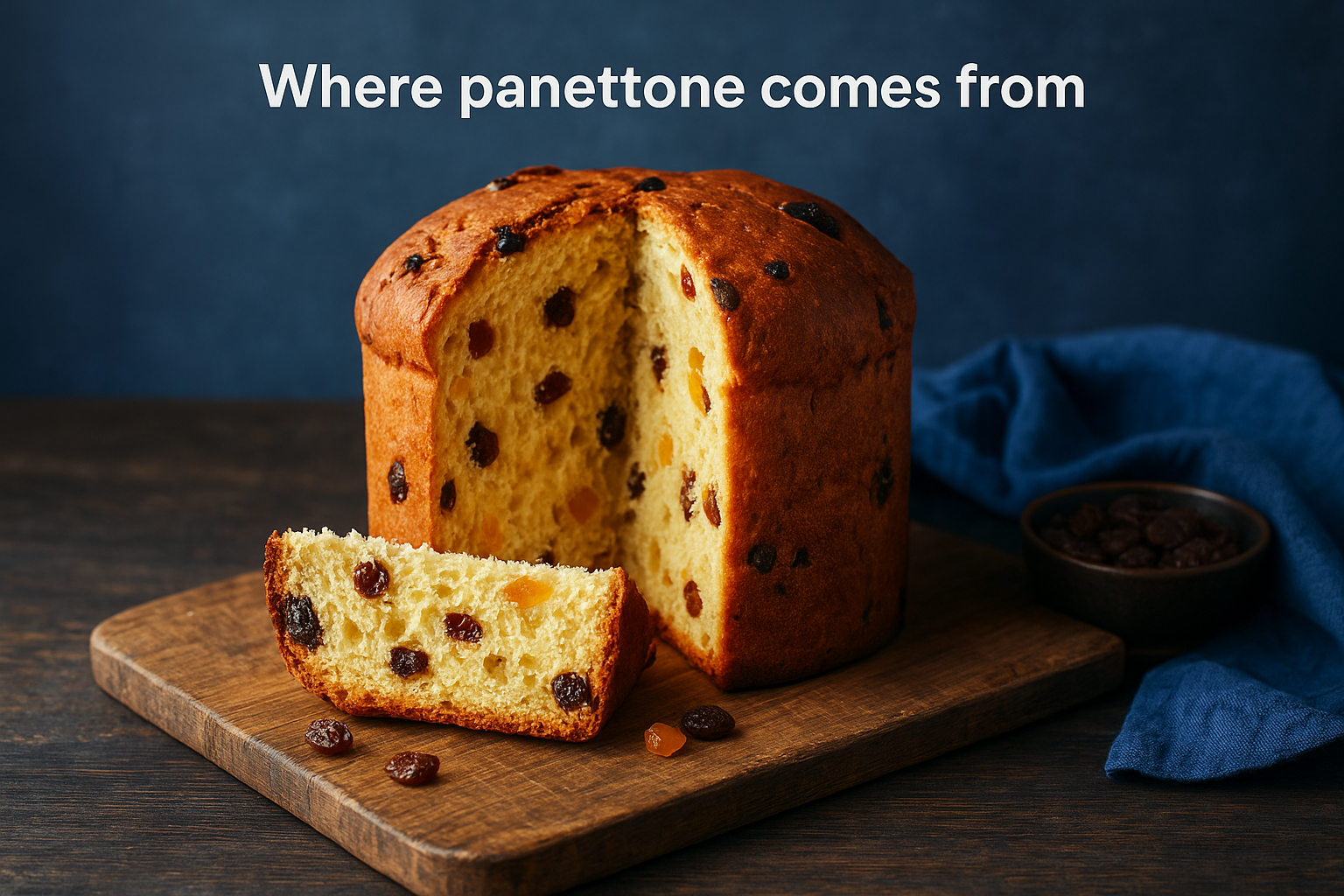
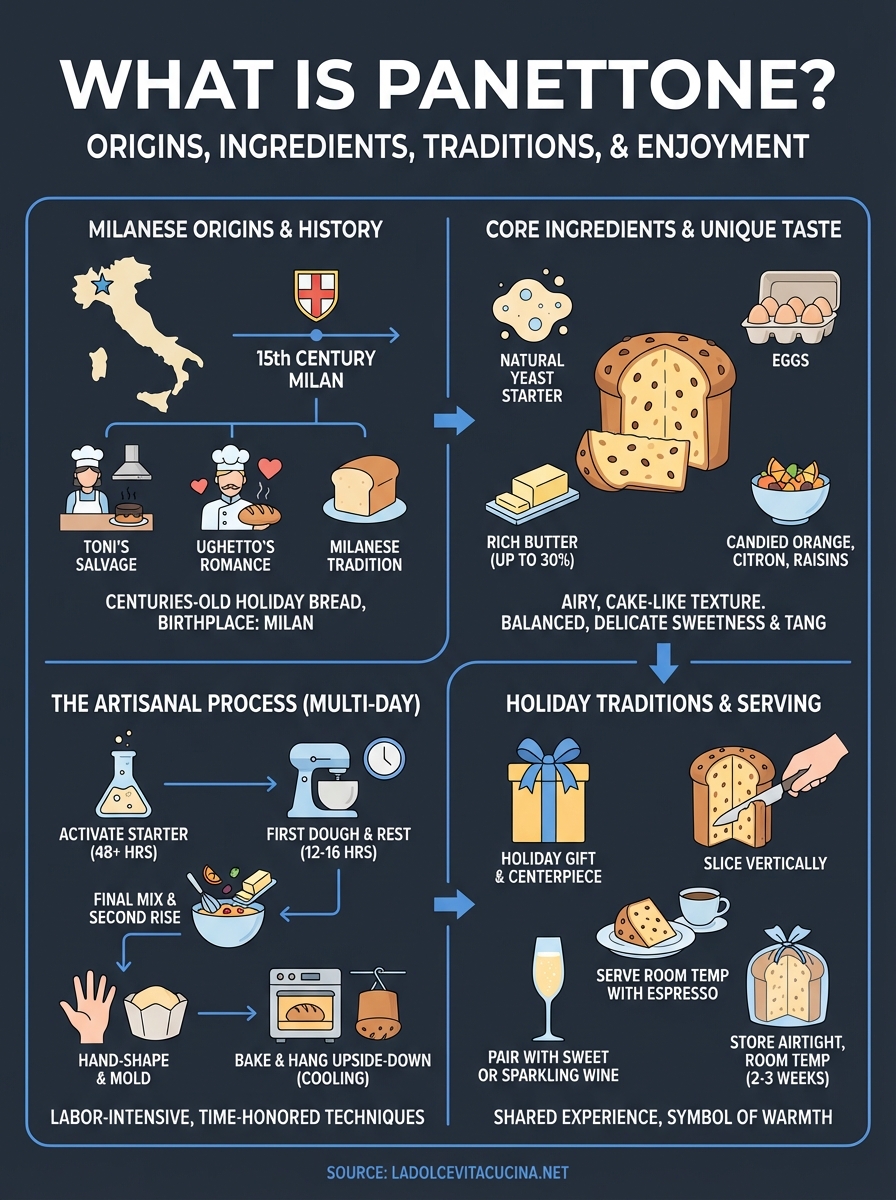
Panettone’s roots trace back to 15th century Milan, where bakers developed this festive bread in the heart of Lombardy. You’ll find Milan credited as the official birthplace in every historical account, though the exact creator remains disputed. The bread’s name itself offers clues to its origins: "panettone" translates to "big bread" in Milanese dialect, suggesting it started as an oversized version of everyday loaves.
The competing origin stories
Three legends explain how panettone came to be, and Milanese locals still debate which one holds truth. The most popular story involves Toni, a kitchen helper who worked for Duke Ludovico Sforza. When the head baker burned the Christmas dessert, Toni salvaged the celebration by mixing leftover dough with sugar, eggs, and candied fruits. The Duke loved it so much he named it "Pan de Toni," which evolved into panettone.
Another tale credits a noble baker named Ughetto degli Atellani, who fell in love with the daughter of a poor baker. To win her father’s approval, Ughetto disguised himself as an apprentice and created this luxurious bread that made the bakery famous throughout Milan. The third legend simply attributes panettone to the Milanese tradition of serving special bread at Christmas, which bakers gradually enriched over centuries.
Regardless of which story you believe, Milan’s role as the birthplace remains undisputed in Italian culinary history.
What matters most when understanding what is panettone involves recognizing Milan’s continuous production since at least the 1490s. Historical records from that era mention special Christmas breads matching panettone’s description, confirming its centuries-long presence in Italian celebrations.
What panettone is made of and why it tastes unique
Understanding what is panettone requires looking at its deceptively simple ingredient list. You’ll find flour, eggs, butter, sugar, and natural yeast forming the foundation, with candied orange peel and raisins providing the signature flavor. The magic happens in how these ingredients interact during the lengthy fermentation process, creating a bread that tastes nothing like typical sweet loaves.
The core ingredients
Traditional panettone uses only natural yeast instead of commercial rising agents, which explains its distinct sourdough-like tang. Bakers feed this starter for days before mixing the dough, allowing wild yeasts to develop complex flavors you can’t replicate with standard baking powder. The butter content reaches extraordinary levels, sometimes comprising up to 30% of the dough’s weight, giving panettone its rich, almost cake-like texture.
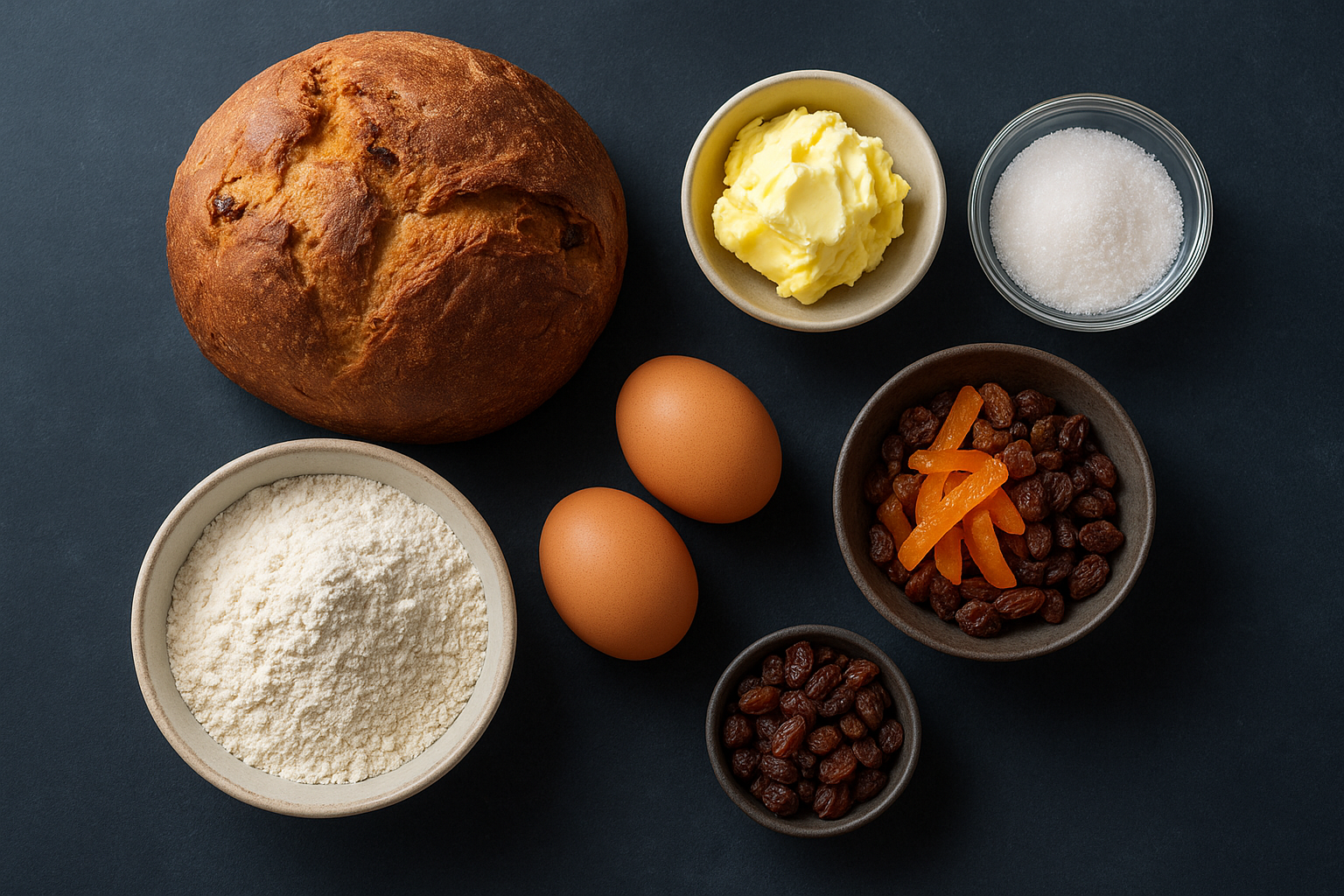
Candied fruits distinguish authentic panettone from ordinary sweet breads. You’ll taste candied orange and citron in most recipes, with some bakers adding lemon peel for extra brightness. These fruits undergo a weeks-long preservation process where they absorb sugar syrup slowly, maintaining their texture while intensifying their flavor. Raisins typically get soaked in rum or sweet wine before mixing, adding depth to every bite.
What creates the unique taste
The taste profile balances sweetness with subtle acidity from the natural fermentation. You won’t find panettone cloyingly sweet like mass-produced holiday cakes. Instead, it offers a delicate flavor that lets the butter, citrus, and fermented dough shine through without overwhelming your palate.
This restraint in sweetness makes panettone versatile enough to eat at breakfast, as an afternoon snack, or after dinner with sparkling wine.
That airy, almost stringy texture comes from the extended kneading and multiple rises, which develop strong gluten networks that trap air bubbles throughout the dough.
How panettone is made and why it costs more
Creating authentic panettone demands more time and skill than almost any other bread. Bakers spend three to five days on each batch, feeding the natural yeast starter multiple times and monitoring temperature conditions constantly. This extended process explains why quality panettone carries a higher price tag than typical sweet breads, even though the ingredient list remains relatively simple.
The multi-day process
Your baker starts by activating the natural yeast starter at least 48 hours before mixing the first dough. This living culture requires feeding every few hours to reach peak activity, and timing this correctly separates amateur attempts from professional results. The first dough mix then rests for 12 to 16 hours at precisely controlled temperatures, developing flavor and structure slowly.
After this initial fermentation, bakers add the remaining ingredients including butter, eggs, and candied fruits, creating the final dough. This mixture rises again for another 12 hours before bakers hand-shape each loaf and place it in tall paper molds. The shaped loaves rise once more, this time upside down on special racks, which creates that distinctive dome shape and prevents the bread from collapsing under its own weight.
This upside-down hanging technique after baking keeps the delicate crumb structure intact while the bread cools completely.
Why authentic panettone costs more
Premium ingredients drive up production costs significantly. Quality butter and fresh eggs cost considerably more than the vegetable oils and powdered alternatives used in cheaper versions. The candied fruits undergo their own lengthy preparation process that adds expense, and natural yeast starters require constant attention that commercial yeasts don’t need.
Labor represents the largest cost factor when understanding what is panettone production involves. Skilled bakers monitor each batch continuously across multiple days, adjusting temperatures and timing based on how the dough behaves. This hands-on approach prevents the automation that makes mass-produced breads affordable, keeping artisanal panettone in the premium category.
How to eat, serve, and store panettone
Once you know what is panettone, you need to understand how to enjoy it properly. Italians slice this bread vertically from top to bottom, cutting through the dome to create tall wedges rather than horizontal rounds. You’ll preserve the bread’s structure better with this method, and each slice captures the full height of candied fruits distributed throughout the loaf. Most families serve it at room temperature alongside espresso for breakfast or with sweet wine after dinner.
The traditional serving methods
Serving panettone warm transforms its texture and releases the butter’s aroma throughout your kitchen. You can toast thin slices lightly and spread them with mascarpone cheese or butter for a decadent breakfast. Some people turn leftover panettone into French toast, soaking slices in egg mixture and frying them until golden.
Pairing panettone with sparkling wine or sweet dessert wines creates the classic Italian holiday experience that elevates both the bread and the beverage.
Your serving temperature matters significantly. Cold panettone tastes dense and the flavors remain muted, while room temperature allows the citrus notes to shine through properly. Italians never refrigerate their panettone before serving, letting it sit at room temperature for at least an hour if stored in a cool place.
Storing for maximum freshness
Proper storage keeps your panettone fresh for two to three weeks after opening. You’ll want to wrap the exposed cut surface tightly with plastic wrap or aluminum foil, then store the entire bread in its original paper wrapper at room temperature. Keep it away from direct sunlight and heat sources that dry out the crumb faster.
Freezing works well for long-term storage if you can’t finish the bread within three weeks. Slice it first, then wrap individual portions in plastic wrap before placing them in freezer bags. This method lets you defrost single servings as needed without compromising the remaining bread’s quality.
A quick wrap-up
You now understand what is panettone: a centuries-old Milanese bread that transforms simple ingredients into an Italian holiday tradition through meticulous craftsmanship. This tall, dome-shaped loaf requires days of careful preparation, natural yeast fermentation, and premium butter and candied fruits to achieve its distinctive taste and airy texture. The extended process and skilled labor explain why authentic panettone costs more than typical sweet breads, but the investment rewards you with unmatched quality.
Italians have served this bread at Christmas celebrations for over 500 years, making it central to their holiday gift-giving and family gatherings. You’ll find the best experience comes from slicing it vertically, serving it at room temperature, and pairing it with espresso or sparkling wine.
At La Dolce Vita Cucina, we honor these Italian traditions through our commitment to authentic recipes and quality ingredients. Visit us in Portage Park to experience the flavors that make Italian cuisine worth celebrating year-round.