
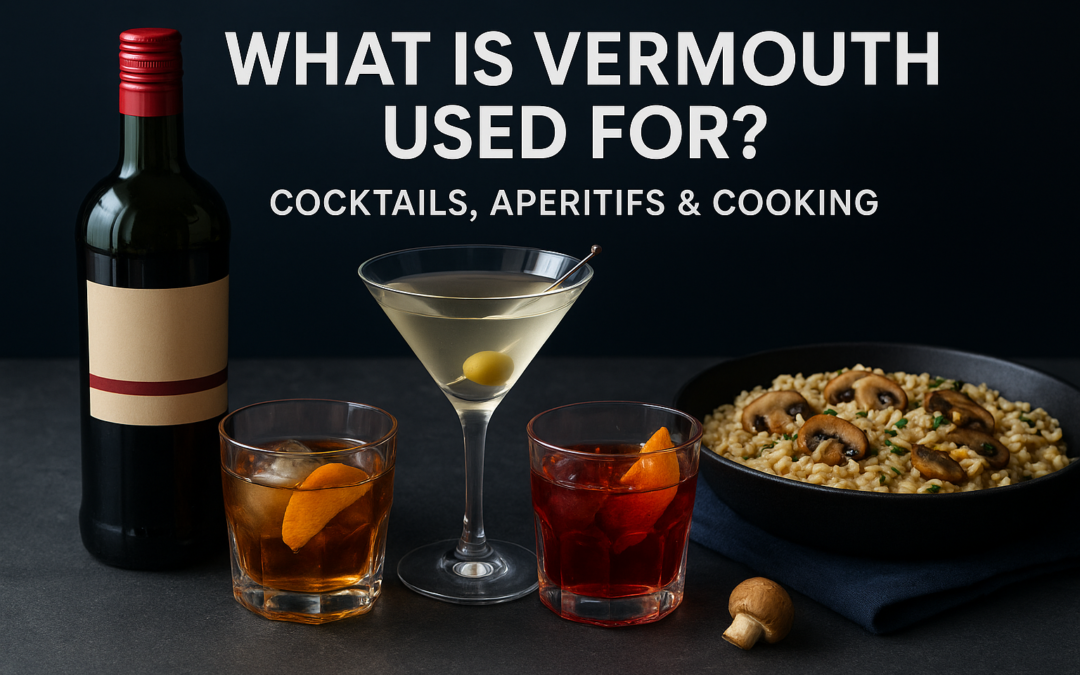
That bottle of vermouth sitting in your liquor cabinet deserves more credit than it gets. If you’ve ever wondered what is vermouth used for, you’re about to discover why this aromatic fortified wine has earned its place in bars, kitchens, and dining rooms for over two centuries. From the classic Negroni to slow-braised Italian dishes, vermouth plays a starring role that many home enthusiasts overlook.
At La Dolce Vita Cucina, we appreciate how vermouth embodies the Italian philosophy of savoring life’s pleasures, whether shaken into a cocktail during happy hour or simmered into a rich pan sauce. This versatile spirit bridges the gap between the bar and the kitchen in ways few other ingredients can match.
Below, you’ll find a complete guide to vermouth’s many uses, from its traditional role as an aperitif to its essential place in cocktail culture and its surprising applications in cooking and baking.
What vermouth is and what it tastes like
You’ll find vermouth classified as a fortified wine, which means winemakers strengthen the base wine with additional alcohol and then infuse it with botanical ingredients like herbs, spices, roots, and barks. This process creates a complex flavor profile that balances wine’s natural acidity with aromatic depth and a slightly higher alcohol content than regular wine. The result sits somewhere between wine and liquor, typically landing at 16 to 18 percent alcohol by volume.
The fortification process that creates vermouth
Producers start with a neutral white wine as the canvas for their botanical blend. They add a distilled spirit to increase the alcohol content, then introduce their carefully guarded mixture of aromatics. Each vermouth house guards its proprietary recipe like a family secret, but you’ll commonly find ingredients like wormwood (the herb that gives vermouth its name), cardamom, cinnamon, citrus peel, and juniper berries in the mix.
The maceration period allows these botanicals to infuse their flavors into the fortified wine base. Some producers steep the ingredients directly in the wine, while others create concentrated extracts separately and blend them in later. This method determines how pronounced the herbal notes become and how well the flavors integrate with the wine’s natural character.
Think of vermouth as wine that’s been dressed up with a botanical wardrobe, each ingredient adding its own personality to the final product.
Sweet versus dry vermouth profiles
Sweet vermouth, also called red or Italian vermouth, brings rich caramel notes with vanilla, warm spice, and a hint of bitterness from the wormwood. You’ll taste complexity that leans toward dessert wine territory without being cloying. This style typically contains added sugar and takes on a deep amber or reddish color from caramelized sugar or additional botanicals.
Dry vermouth, traditionally associated with French producers, offers a cleaner, crisper profile with more pronounced herbal notes. You’ll detect white flowers, chamomile, and citrus rather than the heavier spice notes found in sweet versions. The pale golden color reflects its lighter character, and while it’s called "dry," most versions still contain a small amount of residual sugar.
Understanding what vermouth is and what it tastes like helps you appreciate why bartenders and chefs value this ingredient so highly. The botanical complexity adds layers that plain wine cannot provide, while the fortification process gives it stability and a longer shelf life than regular wine once opened. Both sweet and dry styles deserve space in your refrigerator, as they serve different purposes in cocktails and cooking applications that you’ll discover in the sections ahead.
Why vermouth belongs in your bar and kitchen
You’ll get more practical value from a bottle of vermouth than almost any other ingredient that bridges cocktails and cooking. While many bar essentials serve a single purpose, vermouth works equally well in your Manhattan at happy hour and your mushroom risotto at dinner. This dual functionality means you’re not buying separate ingredients for separate tasks, and you’re certainly not letting bottles collect dust while one sits untouched in the kitchen and another gathers cobwebs behind the bar.
It costs less than specialty cocktail ingredients
Most quality vermouth bottles run between fifteen and twenty-five dollars, which puts them in the same price range as mid-tier wines but with far greater longevity once opened. You’ll find that a single bottle lasts through dozens of cocktails since most recipes call for just an ounce or two per drink. Compare this to buying expensive liqueurs that you might only use for one or two specific cocktails, and the economics become clear. Your investment in vermouth pays dividends across multiple uses without breaking your budget.
When you consider what vermouth is used for across both bar and kitchen applications, the cost per use drops significantly compared to single-purpose ingredients.
A single bottle serves multiple purposes
You can deglaze a pan with vermouth after searing chicken, splash it into pasta sauces for depth, or build a classic Martini without keeping multiple bottles in rotation. The botanical complexity adds interest to vinaigrettes and marinades while providing the backbone for dozens of classic cocktail recipes. This versatility matters especially in home settings where space and budget create real constraints. Instead of stocking your shelves with separate cooking wines and cocktail modifiers, you maintain one ingredient that handles both roles with sophistication. Sweet vermouth enhances braised meats and rich sauces, while dry vermouth brightens seafood dishes and cream-based preparations.
How to use vermouth in classic cocktails
You’ll master the foundation of classic mixology once you understand vermouth’s role as a modifier rather than just another spirit on the shelf. Bartenders rely on vermouth to soften harsh edges in strong spirits while adding botanical complexity that transforms simple combinations into legendary drinks. The answer to what is vermouth used for becomes immediately clear when you taste a properly made Martini or Manhattan compared to their component parts served separately.
The Martini ratio that bartenders actually use
Professional bartenders typically build a Martini with three or four parts gin to one part dry vermouth, though the exact ratio depends on personal taste and the gin’s intensity. You’ll want to start with a 2:1 ratio if you’re new to vermouth in cocktails, then adjust down to 3:1 or 4:1 as your palate develops. Pour both ingredients over ice in a mixing glass, stir for fifteen to twenty seconds, then strain into a chilled coupe or Martini glass. The vermouth smooths the gin’s juniper-forward bite while contributing floral and herbal notes that create balance.
A Martini without vermouth is just cold gin, and vermouth without proper refrigeration loses its brightness within weeks.
Manhattan and Negroni proportions
You’ll need sweet vermouth for these darker, richer cocktails that showcase red vermouth’s caramel and spice characteristics. The Manhattan combines two parts whiskey to one part sweet vermouth with a few dashes of bitters, while the Negroni splits equal parts gin, sweet vermouth, and Campari for a perfectly balanced bitter aperitif. Both drinks require stirring rather than shaking to maintain clarity and proper dilution. The sweet vermouth in these recipes bridges the gap between the spirit’s strength and the other modifying ingredients.

Storage changes everything about quality
Your vermouth stays fresh for three to four weeks in the refrigerator after opening, but it deteriorates rapidly at room temperature. Keep bottles tightly sealed and store them upright to minimize oxidation exposure. Once vermouth loses its brightness, your cocktails taste flat and muddy regardless of technique or spirit quality. Replace any bottle that smells stale or tastes dull when sampled on its own.
How to drink vermouth as an aperitif
You’ll experience vermouth’s full botanical character when you serve it chilled on its own before a meal, which remains the traditional Italian and French approach to what is vermouth used for beyond cocktails. This pre-dinner ritual stimulates your appetite and palate through the interplay of bitter herbs, aromatic spices, and the wine’s natural acidity. Drinking vermouth straight reveals nuances that disappear when mixed into cocktails, and you’ll understand why Europeans have valued this practice for generations.
Serving temperature and glassware
Pour your vermouth over ice in a rocks glass or serve it neat in a small wine glass that’s been chilled for at least fifteen minutes. The ideal serving temperature sits between forty and forty-five degrees Fahrenheit, cold enough to refresh but not so frigid that it numbs the botanical notes. Sweet vermouth benefits from ice dilution, which tames its richer profile and makes it more approachable in warm weather. Dry vermouth works well served neat when properly chilled, though a single large ice cube prevents it from warming too quickly in your glass.
The practice of drinking vermouth as an aperitif trains your palate to appreciate subtle botanical complexity that gets lost in heavily mixed drinks.
Adding simple garnishes
You’ll enhance vermouth’s natural character with minimal additions that complement rather than overwhelm. A twist of orange peel over sweet vermouth releases citrus oils that bridge the wine’s caramel notes, while a lemon twist brightens dry vermouth’s herbal profile. Drop in a couple of green olives for savory depth, or add a splash of soda water to lighten either style without masking the botanicals. Italian bars often serve sweet vermouth with an orange slice, which adds visual appeal and a touch of fresh fruit character as the drink sits.
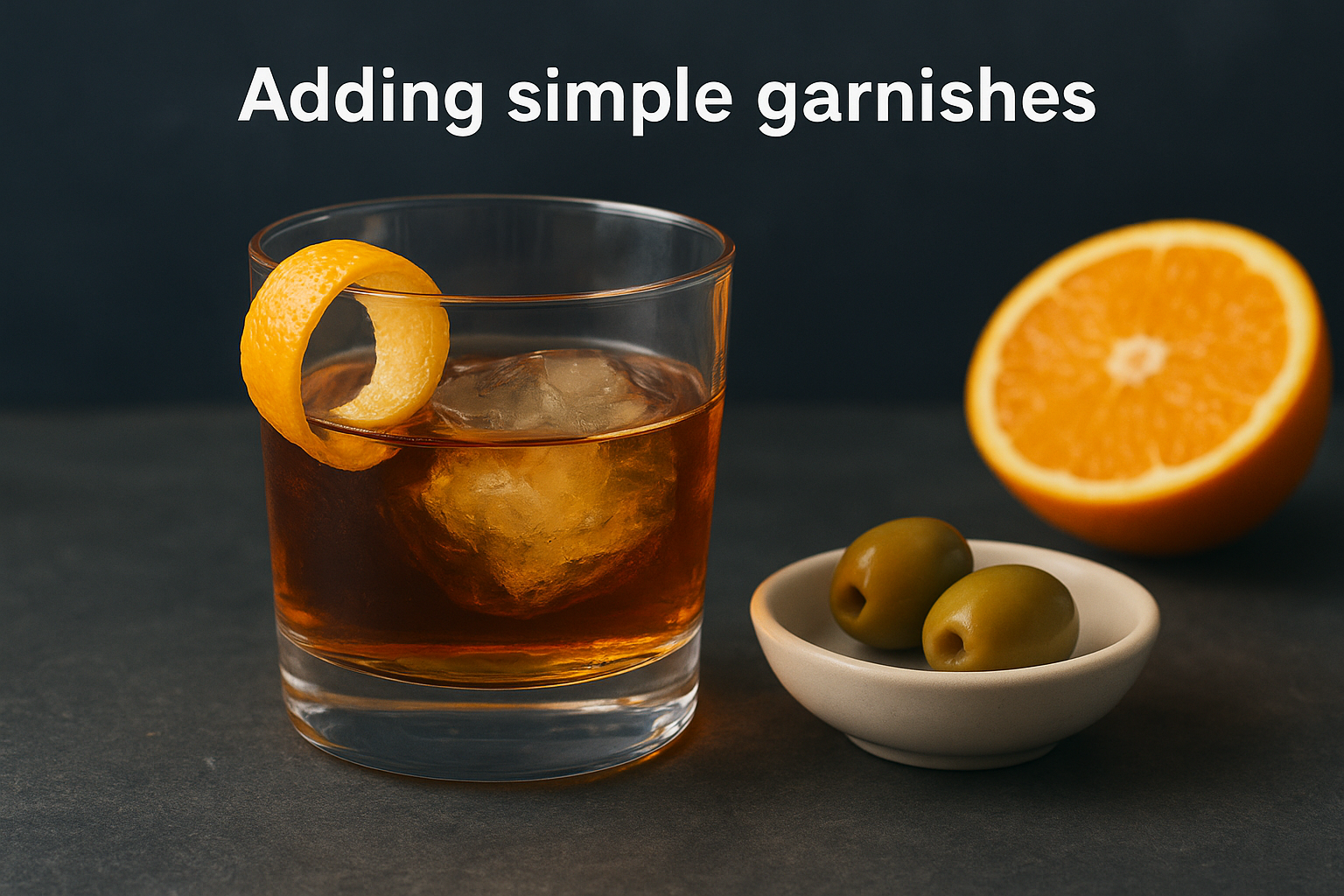
Traditional aperitivo culture pairs vermouth with light snacks like olives, nuts, or small bites of cheese that complement the wine’s complexity without filling you up before dinner. This combination prepares your digestive system while creating a relaxed social atmosphere that defines the Italian approach to dining.
How to cook with vermouth without wasting it
You’ll solve one of the most frustrating kitchen problems when you understand what is vermouth used for in cooking applications that preserve the entire bottle. Home cooks often hesitate to open wine for recipes that call for just a quarter cup, leading to wasted bottles or abandoned dishes. Vermouth eliminates this waste because its fortified nature keeps it fresh for weeks after opening when stored properly in your refrigerator. This longevity transforms how you approach recipes that benefit from wine’s acidity and depth without requiring you to finish an entire bottle within days.
Deglazing pans and building sauce foundations
You’ll achieve restaurant-quality pan sauces by deglazing with vermouth after searing meat or sautéing vegetables. Pour two to three tablespoons of dry vermouth into your hot pan, scraping up the browned bits stuck to the bottom while the alcohol evaporates. The wine’s acidity lifts those concentrated flavors and creates the base for rich sauces that coat proteins beautifully. Sweet vermouth works particularly well with beef and lamb dishes, where its caramel notes complement the meat’s savory depth. Add cold butter at the end and you’ll create a glossy finish that rivals any steakhouse preparation.
Vermouth’s botanical complexity adds layers to pan sauces that plain wine cannot match, especially when working with mushrooms or shallots.
Substituting for white wine in recipes
Your pasta sauces and risottos benefit from dry vermouth’s herbal character, which adds interest beyond what standard white wine provides. Measure vermouth one-to-one when recipes call for white wine in marinades, braises, or cream sauces. The botanical infusion enhances seafood dishes particularly well, as the herbs complement delicate fish flavors without overwhelming them. Chicken piccata becomes more complex with dry vermouth replacing the traditional white wine, while the fortified wine’s stability means you’ll use exactly what you need without watching the rest of the bottle oxidize on your counter.
Portion control that prevents spoilage
Store opened vermouth bottles in your refrigerator door where they stay visible and accessible for spontaneous cooking decisions. Mark the opening date on the bottle with masking tape so you’ll know when it needs replacement after three to four weeks. Keep both sweet and dry bottles on hand since their distinct profiles serve different culinary purposes, and you’ll find yourself reaching for them more often than traditional cooking wines.
Key takeaways
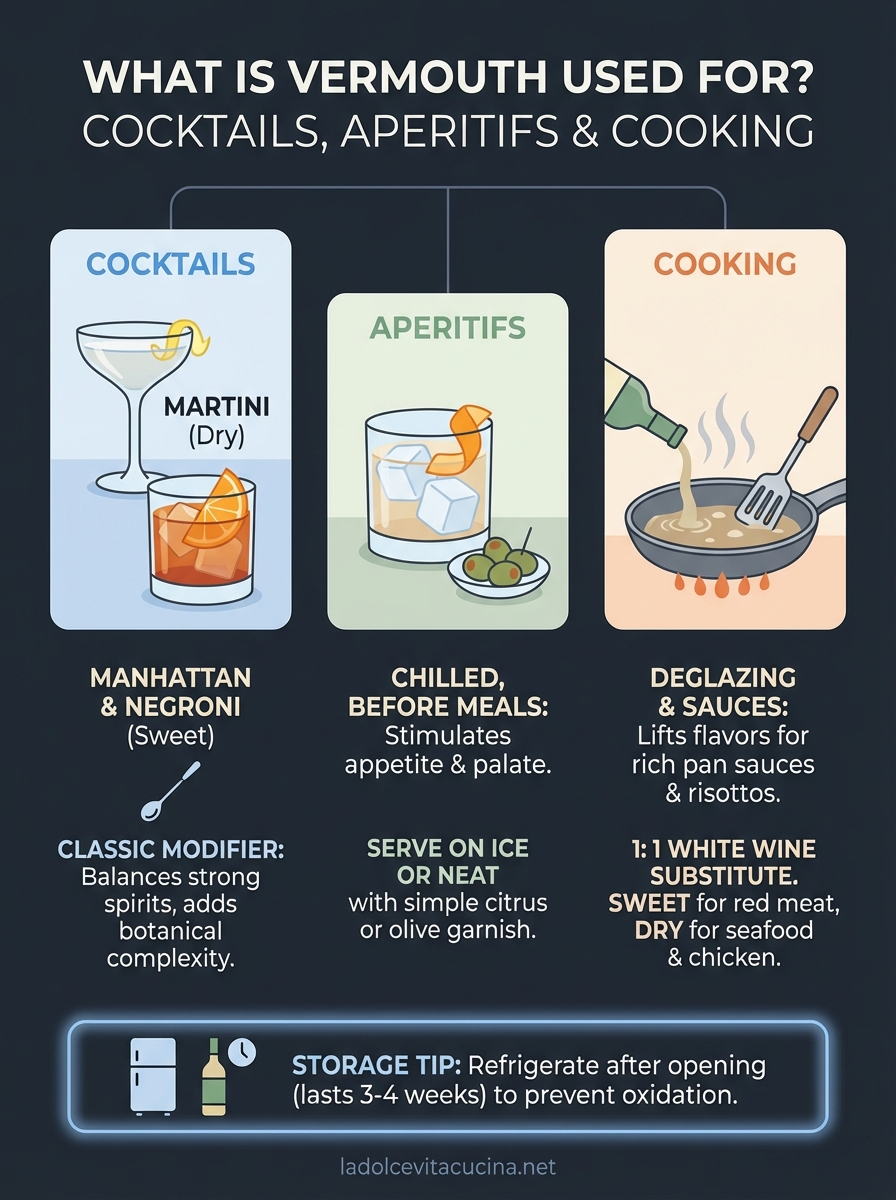
You’ve learned what is vermouth used for across three distinct applications that transform this fortified wine into one of your most versatile ingredients. Your bar gains access to classic cocktail foundations like the Martini, Manhattan, and Negroni, while your kitchen benefits from a cooking wine that stays fresh for weeks in the refrigerator. The Italian tradition of drinking vermouth as an aperitif before meals offers a sophisticated way to stimulate your appetite and appreciate botanical complexity on its own.
Keep both sweet and dry bottles refrigerated after opening, and you’ll maintain quality for three to four weeks. Replace any vermouth that tastes flat or smells stale, since oxidation ruins both cocktails and cooking applications. When you’re ready to experience expertly crafted Italian cocktails and dishes that showcase these techniques, visit La Dolce Vita Cucina where traditional preparation meets the neighborhood warmth of Portage Park.