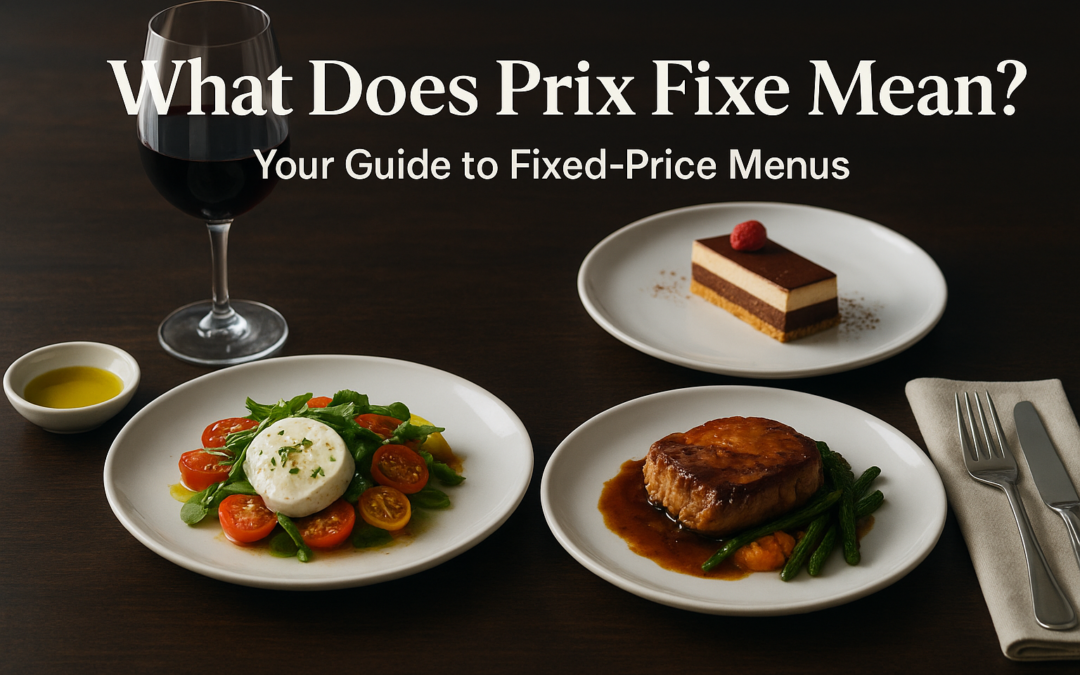
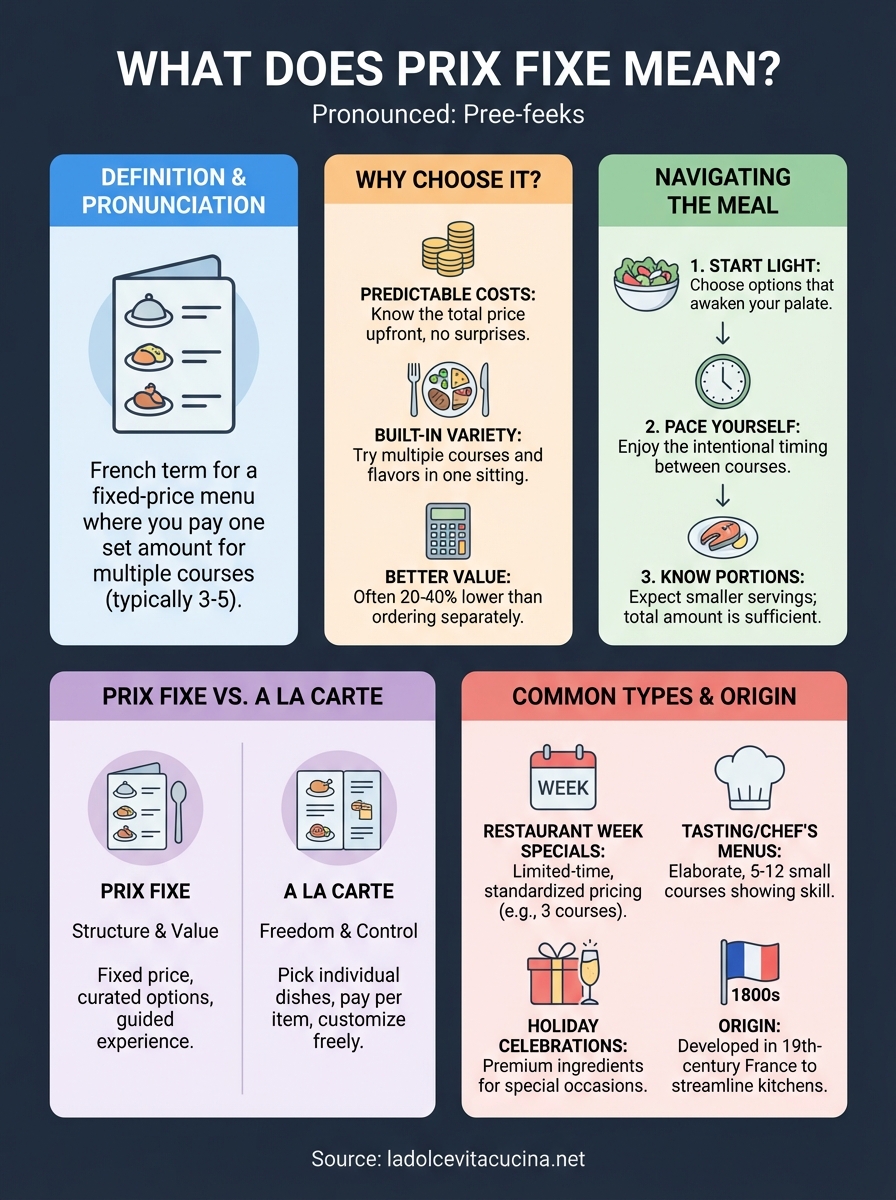
What does prix fixe mean might sound like fancy restaurant jargon, but it’s actually straightforward. Prix fixe (pronounced pree-feeks) is a French term for a fixed-price menu where you pay one set amount for multiple courses. Instead of ordering individual items and watching the bill climb, you get an entire meal at a predetermined price. This dining format typically includes three to five courses like an appetizer, main course, and dessert, though the exact offerings vary by restaurant.
This guide breaks down everything you need to know about prix fixe dining. You’ll learn why these menus offer better value than ordering separately, how to navigate each course with confidence, and what makes them different from traditional a la carte ordering. We’ll also explore the different types of fixed-price menus you’ll encounter, from special event dinners to restaurant week promotions. By the end, you’ll understand exactly what to expect when you see prix fixe on a menu and how to make the most of this popular dining experience.
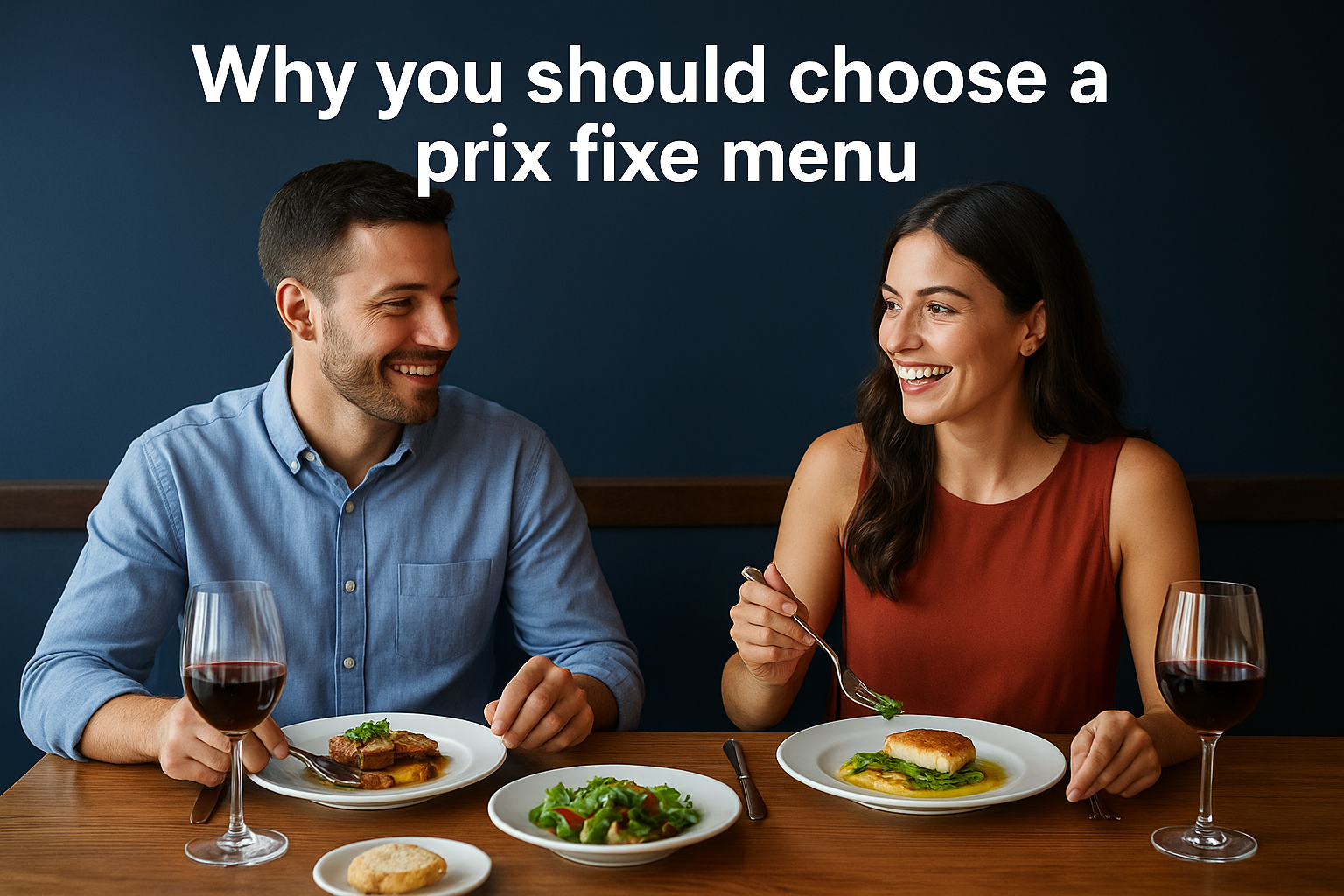
Why you should choose a prix fixe menu
Prix fixe menus solve one of the biggest challenges diners face: knowing exactly what you’ll spend before you sit down. You see the total price at the beginning, which means no surprises when the check arrives. This format works especially well when you’re celebrating special occasions, trying a new restaurant, or dining with a group where everyone wants to keep spending equal. The chef has already designed each course to complement the others, so you don’t need to stress about which dishes pair well together.
You get predictable costs upfront
Budgeting your night out becomes simple when you choose a prix fixe menu. You know the exact amount per person before ordering, which helps you plan for drinks, tips, and other expenses without mental math during dinner. This transparency in pricing eliminates the awkward moments when you’re trying to estimate costs while looking at individual menu items. Fixed-price menus typically include items that would cost significantly more if ordered separately, giving you access to premium ingredients at a set rate. If you’re dining with friends or colleagues, splitting the bill becomes straightforward since everyone pays the same base amount.
Prix fixe dining removes financial uncertainty and lets you focus entirely on the meal experience.
Your meal comes with built-in variety
You experience multiple courses and flavors instead of committing to just one dish. A typical prix fixe menu walks you through appetizers, main courses, and desserts, often with two or three choices per course. This structure introduces you to dishes you might not normally order when paying for each item individually. The chef has curated these options to showcase the restaurant’s strengths and ensure each course flows naturally into the next. You get to sample different preparation styles, ingredients, and techniques in one sitting, which gives you a complete picture of what the kitchen can do.
You spend less than ordering separately
The math works in your favor with prix fixe menus. When you calculate the individual prices of each course offered, the fixed-price total usually comes out 20 to 40 percent lower than ordering the same items a la carte. Restaurants offer this value because fixed menus help them manage inventory, reduce waste, and prepare dishes more efficiently when multiple tables order from limited options. You benefit from this operational advantage through better pricing. Special event prix fixe menus during restaurant weeks or holiday celebrations often feature premium ingredients like seafood, aged steaks, or house-made pasta that would carry high individual prices. Understanding what does prix fixe mean helps you recognize these opportunities to dine at upscale restaurants you might otherwise skip due to cost concerns.
How to navigate a multi-course meal
Your first prix fixe experience becomes smooth when you understand the basic flow of courses. Each dish arrives in a specific sequence designed by the chef to build flavors from light to rich. You start with appetizers, move to the main course, and finish with dessert. The server guides you through the options at each stage, but knowing the general structure helps you plan your meal strategically. When you understand what does prix fixe mean and how courses work together, you can pace yourself properly and enjoy each dish without feeling rushed or overly full.
Start with lighter flavors first
Your appetizer course sets the foundation for everything that follows. Choose options like salads, soups, or lighter seafood preparations that awaken your palate without overwhelming it. These opening dishes prepare your taste buds for richer flavors ahead. Avoid selecting the heaviest appetizer option if you know you want a substantial main course. The chef designs these first courses to complement rather than compete with what comes next, so trust the progression.
Multi-course meals work best when you build from delicate flavors to bolder ones.
Pace yourself between courses
Restaurants space out prix fixe courses with intentional timing, usually allowing 15 to 20 minutes between each arrival. You should finish each course without rushing, but don’t linger so long that your next dish sits waiting. This interval gives your body time to process food and signals when you’re getting full. Use the breaks to enjoy conversation, sip water, and reset your palate. Your server monitors the table’s pace and brings the next course when everyone appears ready.
Know your portion sizes
Prix fixe portions run smaller than typical entrees because you’re eating multiple courses instead of one large plate. Each course provides enough to satisfy without filling you completely, leaving room for what follows. You might notice your main course looks modest compared to a la carte portions, but the cumulative effect of three to five courses leaves you appropriately satisfied. Don’t panic if individual plates seem small. The total amount of food across all courses equals or exceeds what you’d get from ordering a single large dish.
Compare prix fixe with a la carte dining
The difference between prix fixe and a la carte comes down to structure versus freedom. When you order a la carte, you select individual dishes from the full menu and pay for each item separately. Prix fixe packages everything into one fixed price with preset course options. Understanding what does prix fixe mean helps you recognize which format suits your dining goals. A la carte gives you complete control to mix appetizers with desserts or order only a main course, while prix fixe commits you to multiple courses whether you want them all or not. Both approaches have distinct advantages depending on your budget, appetite, and dining mood.
You control your choices differently
A la carte menus let you build your meal exactly how you want it. You pick specific items based on current cravings without committing to courses you might not finish. This flexibility means you can order two appetizers instead of an entree or skip dessert entirely if you’re not hungry. Prix fixe menus limit your options to curated selections within each course, though you still choose between two or three items per stage. The tradeoff is that you sacrifice customization for better value and a guided culinary experience.
Your spending patterns change
The financial calculation shifts dramatically between these formats. A la carte bills add up quickly as you select premium items, specialty sides, and extras. You might start with modest intentions but end up spending more than expected when everything gets totaled. Prix fixe pricing caps your meal cost from the beginning, making budgeting straightforward. You know the damage before ordering, which removes the mental math of tracking costs during dinner.
Prix fixe dining eliminates financial guesswork while a la carte ordering requires constant budget awareness.
The dining experience shifts focus
Prix fixe creates a structured meal journey where the chef controls pacing and flavor progression. You experience the restaurant’s vision through carefully paired courses. A la carte dining centers on immediate preferences rather than culinary storytelling. You eat what sounds good right now without considering how dishes complement each other or following any particular sequence.
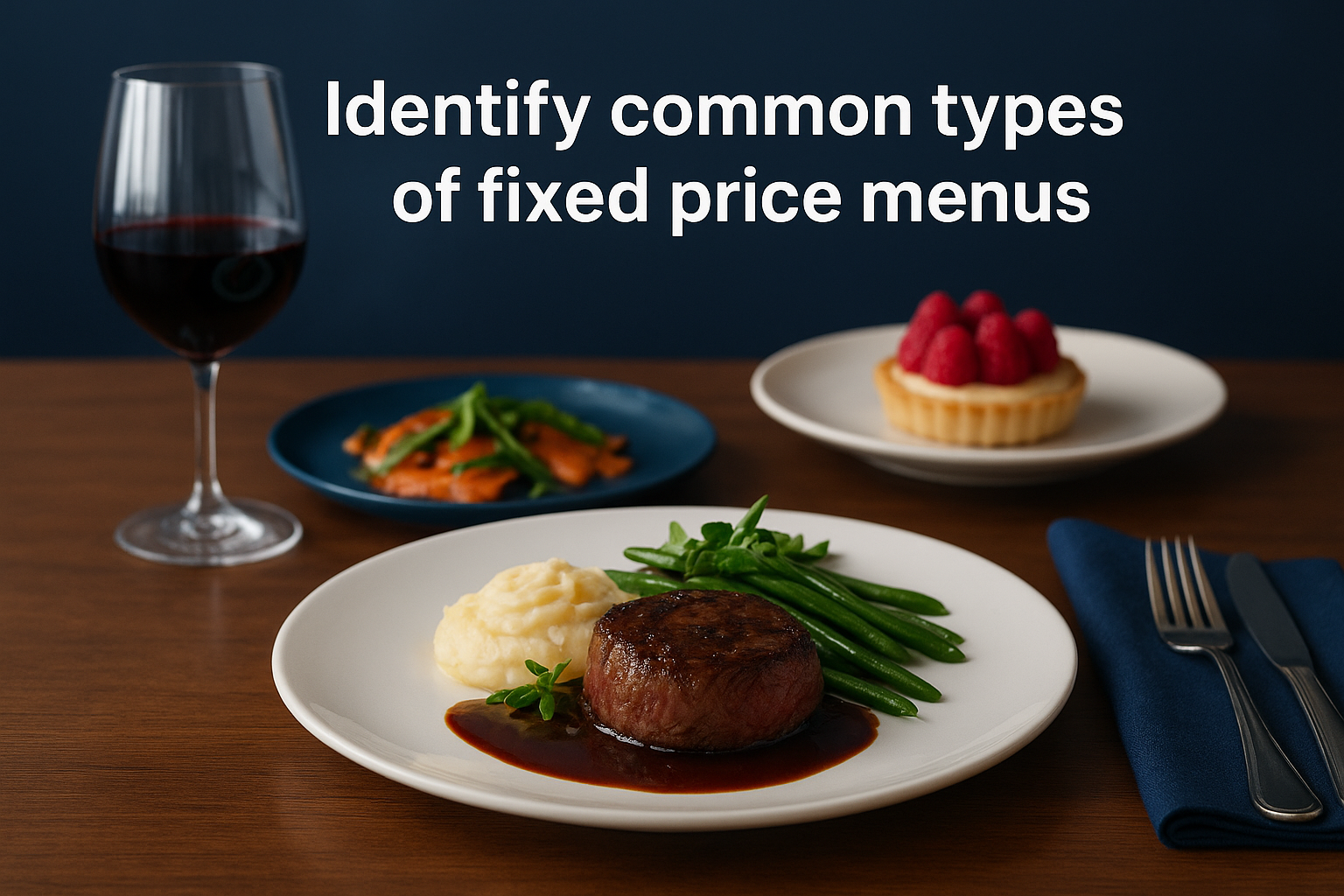
Identify common types of fixed price menus
Restaurants offer several distinct formats of prix fixe dining, each serving different occasions and dining goals. You encounter these menus during special promotions, seasonal events, or as permanent features at upscale establishments. Knowing what does prix fixe mean in different contexts helps you recognize the best opportunities to try this dining style. The format stays consistent across all types, but the occasion, pricing, and course options shift based on the restaurant’s goals. Some prix fixe menus target specific time windows while others celebrate culinary experimentation or seasonal ingredients.
Restaurant week specials
These limited-time menus appear during citywide dining events when restaurants participate in coordinated promotions. You find standardized pricing across participating establishments, typically offering three courses at set rates like $35 for lunch or $55 for dinner. Restaurant week menus let you try high-end restaurants at reduced prices since the chef selects dishes that showcase their style while fitting the promotional budget. These events run for one to two weeks and require advance reservations since demand spikes during the promotion period.
Restaurant week prix fixe menus provide the most accessible entry point to upscale dining experiences.
Tasting and chef’s menus
Your most elaborate prix fixe experience comes through tasting menus that feature five to twelve small courses. The chef designs these menus to demonstrate technical skill and creative range through progressive flavor combinations. You surrender control over dish selection since tasting menus often arrive as a preset sequence without choices. Some restaurants offer wine pairings with each course for an additional fixed fee, creating a complete sensory journey. These menus represent the restaurant’s highest culinary ambitions and carry premium pricing compared to standard prix fixe options.
Holiday and event celebrations
Restaurants create special prix fixe menus for Valentine’s Day, New Year’s Eve, Easter brunch, and other occasions when diners seek celebratory experiences. These menus feature premium ingredients like lobster, filet mignon, or champagne that elevate the meal beyond everyday offerings. The pricing reflects both the upgraded components and the high-demand nature of the dining date. Hotels and upscale establishments favor this approach since it streamlines kitchen operations when serving large volumes during peak celebration periods.
Learn the origins and correct pronunciation
The term prix fixe comes directly from France, where it translates literally to "fixed price." French restaurants developed this dining format in the 19th century as a way to offer complete meals at set costs, making upscale dining more accessible to the growing middle class. The concept caught on internationally because it solved practical problems for both diners and restaurant operators. Understanding what does prix fixe mean includes recognizing its cultural roots in French culinary tradition, where multi-course dining represented an art form rather than just eating for sustenance. You still see this emphasis on structured meal experiences in French restaurants today, though the format has spread across all cuisine types globally.
The French culinary tradition
French chefs pioneered the multi-course meal structure that defines modern prix fixe dining during the 1800s. Restaurants in Paris created these fixed-price menus to streamline kitchen operations while maintaining quality standards across busy service periods. The format let chefs purchase ingredients in bulk, reduce waste, and prepare dishes more efficiently when multiple tables ordered from limited selections. This innovation transformed restaurant economics and made fine dining profitable at scale. The concept spread throughout Europe and eventually reached American restaurants in the early 20th century, though it remained primarily associated with French and upscale establishments until recent decades.
How to pronounce it correctly
You pronounce prix fixe as "pree feeks" with a soft, almost silent X sound at the end of "prix." The first word rhymes with "ree" and carries a short, crisp pronunciation that doesn’t drag out the vowel. Many English speakers mistakenly say "pricks fix" or add emphasis to the X, creating an awkward pronunciation that marks you as unfamiliar with the term. The second word, "fixe," sounds like "feeks" rather than the English word "fix."
Mastering the correct pronunciation helps you sound confident when ordering at upscale restaurants.
Practice saying both words together smoothly without pausing between them. Your goal is to make the phrase flow as one connected term rather than two separate words. Most servers won’t correct your pronunciation if you get it wrong, but saying it properly demonstrates dining experience and cultural awareness.
Experience the sweet life at dinner
You now understand what does prix fixe mean and how these fixed-price menus create structured dining experiences that combine value with culinary artistry. This format removes the guesswork from ordering while introducing you to dishes you might overlook when choosing individual items. Your next step involves putting this knowledge into practice by seeking out prix fixe opportunities at restaurants in your area, especially during special events, seasonal promotions, and restaurant week celebrations.
Italian restaurants particularly excel at prix fixe dining since the cuisine naturally lends itself to multi-course progressions from antipasti through primi, secondi, and dolci. La Dolce Vita Cucina brings this tradition to Chicago’s Portage Park neighborhood with carefully curated menus that showcase homemade pasta, premium seafood, and house-made gelato. Your celebration of authentic Italian flavors becomes both memorable and budget-friendly when you choose a restaurant that understands the art of fixed-price dining.