
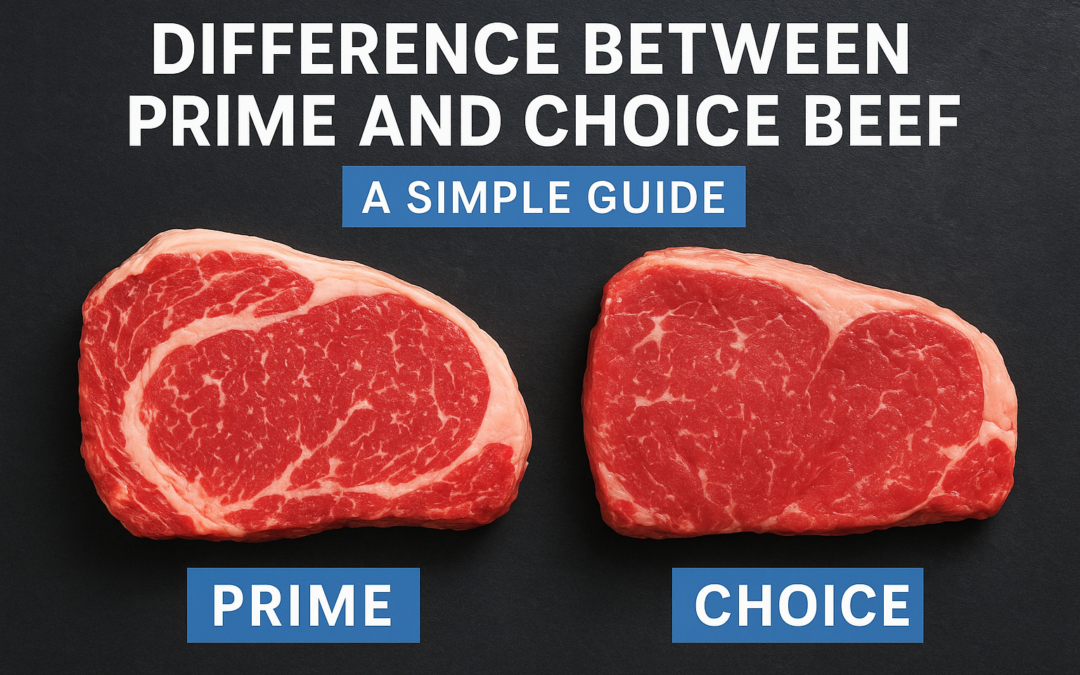
At La Dolce Vita Cucina, we take our steaks seriously, which is why understanding the difference between prime and choice beef matters to us and our guests. When you’re ordering a 16oz Ribeye at our Portage Park restaurant or shopping for a special dinner at home, knowing what separates these USDA grades helps you make smarter decisions about quality and value.
Prime and Choice are the two highest grades assigned by the USDA, but they’re not interchangeable. The distinction comes down to marbling, the white streaks of fat woven through the muscle, which directly affects how tender, juicy, and flavorful your steak turns out. Prime sits at the top with the most marbling, while Choice offers excellent quality at a more accessible price point.
This guide breaks down everything you need to know: what each grade means, how they compare in taste and texture, when to choose one over the other, and whether the premium price of Prime is worth it for your next meal.
Why USDA beef grades matter when you buy steak
Understanding USDA beef grades gives you control over your dining experience and helps you avoid paying premium prices for meat that doesn’t deliver. The United States Department of Agriculture inspects beef for safety first, then assigns quality grades based on specific criteria that directly impact what lands on your plate. When you know what separates one grade from another, you can match your purchase to your cooking method, occasion, and budget without guesswork.
What the grading system actually measures
The USDA evaluates two main factors: marbling (intramuscular fat) and maturity of the animal at harvest. Marbling creates those white flecks you see running through raw steak, and it melts during cooking to deliver moisture, tenderness, and rich beefy flavor that cheaper cuts simply can’t match. Younger cattle produce more tender meat with finer texture, so age plays into the equation too. Inspectors assign grades after examining the ribeye muscle between the 12th and 13th ribs, using that single cross-section to represent quality throughout the entire carcass.
The difference between prime and choice beef ultimately comes down to how much marbling the inspector finds in that single cut.
How grades affect your wallet and plate
Prime beef costs 30 to 50 percent more than Choice at most retailers because only about 3 to 4 percent of graded beef earns that top designation. You’ll find Prime mostly at high-end steakhouses and specialty butchers, while Choice dominates supermarket meat cases and represents excellent value for home cooks. Choice still delivers tender, flavorful results when you cook it properly, especially with quick, high-heat methods like grilling or pan-searing. The grade you choose should match both your cooking plans and how much you’re willing to spend per pound for a weeknight dinner versus a special celebration.
What Prime and Choice beef really mean
Prime represents the highest quality grade the USDA assigns to beef, accounting for only the top 3 to 4 percent of all graded cattle in the United States. To earn this designation, meat must show abundant marbling throughout, with fine white streaks of intramuscular fat distributed evenly across the muscle. You’ll find Prime mostly from young, well-fed cattle raised specifically for premium markets through specialized feeding programs.
Prime grading criteria
The USDA requires moderately abundant to abundant marbling for Prime designation, which means visible fat streaking through nearly every part of the ribeye cross-section. Animals must be relatively young at harvest, typically under 30 months old, to maintain the fine grain and tender texture expected at this premium level.
This top tier delivers the richest flavor and most buttery texture when cooked, making it the standard at high-end steakhouses like ours at La Dolce Vita Cucina.
Choice grading criteria
Choice ranks just below Prime and represents the most common premium grade at grocery stores and restaurants. This grade requires modest to moderate marbling, less than Prime but still enough for tender, flavorful results when you cook it properly.
The difference between prime and choice beef comes down to those visible fat deposits, not basic quality or safety standards. Choice accounts for roughly half of all graded beef, making it far more accessible for everyday cooking without sacrificing the quality you expect from USDA-inspected meat.
Both grades exceed USDA safety requirements, so your decision centers on marbling preference and budget.
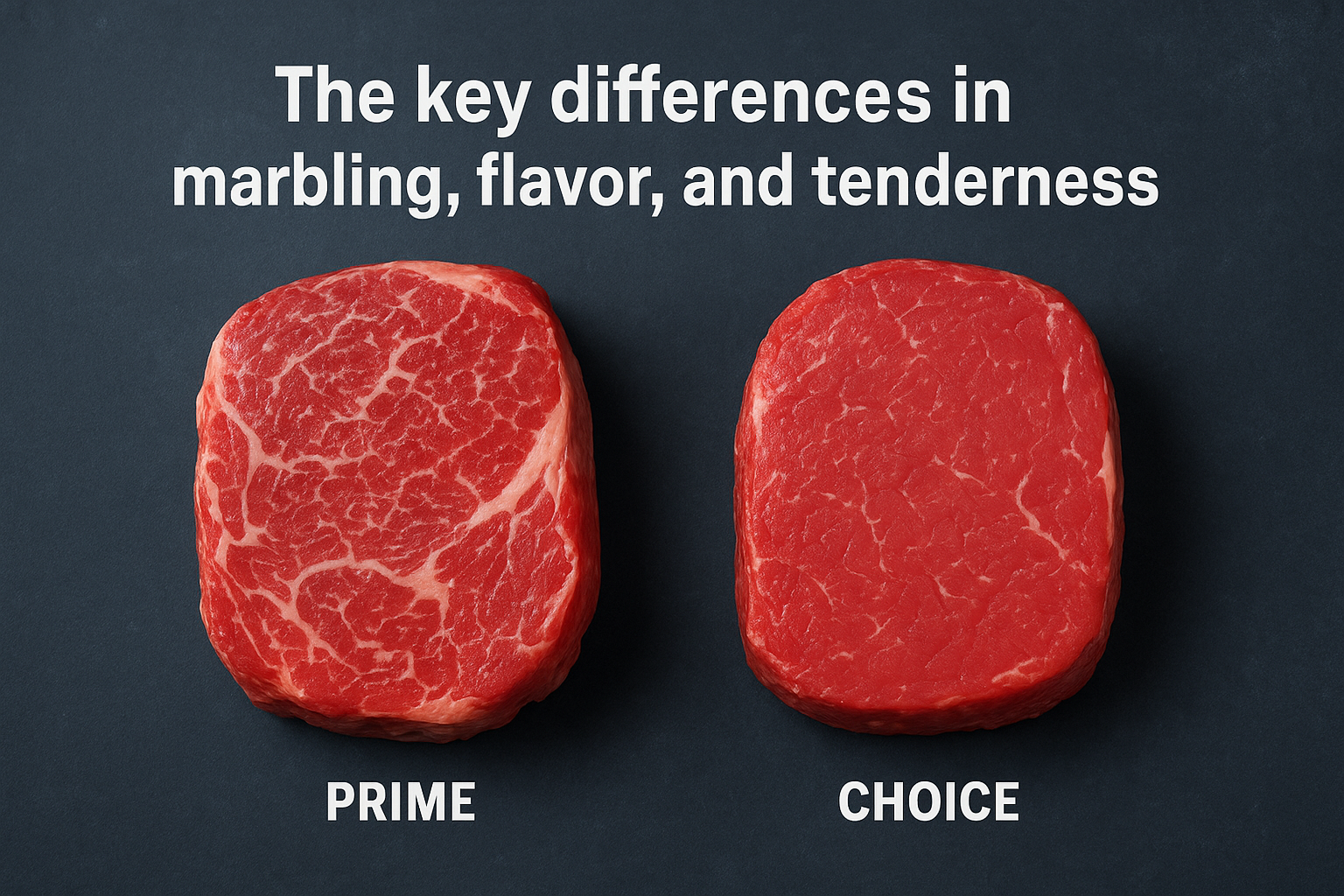
The key differences in marbling, flavor, and tenderness
The visible difference between prime and choice beef shows up most clearly when you place two raw steaks side by side. Prime displays thick, intricate webs of white fat running throughout the red muscle, while Choice shows thinner, more scattered marbling patterns. That fat melts during cooking to baste the meat from the inside, creating moisture and carrying flavor compounds that make your steak taste richer.
How marbling creates the gap
Prime beef contains 8 to 13 percent intramuscular fat, roughly double what you’ll find in many Choice cuts that sit closer to 4 to 10 percent. Those extra fat deposits act like tiny flavor reservoirs that burst as they heat up, coating muscle fibers with juice and preventing the dry, tough texture that leaner cuts develop when overcooked. You can cook Prime to higher internal temperatures without sacrificing moisture because all that marbling provides a built-in safety net.
More marbling means you get consistent results even if you accidentally leave your steak on the grill a minute too long.
What you taste and feel
Prime delivers deeper, more complex beef flavor with a buttery mouthfeel that coats your palate. Choice tastes leaner and slightly grassier, still delicious but without the same richness. Both grades feel tender when properly cooked, though Prime practically melts on your tongue while Choice requires proper temperature control to avoid chewiness.
Price, availability, and what you will likely see on labels
Prime typically costs $20 to $35 per pound for popular cuts like ribeye or strip steak, while Choice runs $12 to $20 per pound for the same cuts at most retailers. That price gap reflects both scarcity and production costs, since raising cattle to Prime standards requires longer feeding periods and specialized grain diets. You’re paying for consistent marbling that only a small percentage of cattle achieve naturally.
Where you’ll find each grade
Most supermarkets stock Choice beef exclusively in their standard meat cases, with Prime available only at specialty butcher counters or high-end grocery chains like Whole Foods. Warehouse clubs sometimes carry Prime during holidays or special promotions, though selection stays limited compared to Choice options. Restaurants split along similar lines: neighborhood spots and casual chains serve Choice, while fine-dining establishments like La Dolce Vita Cucina feature Prime cuts on their menus.
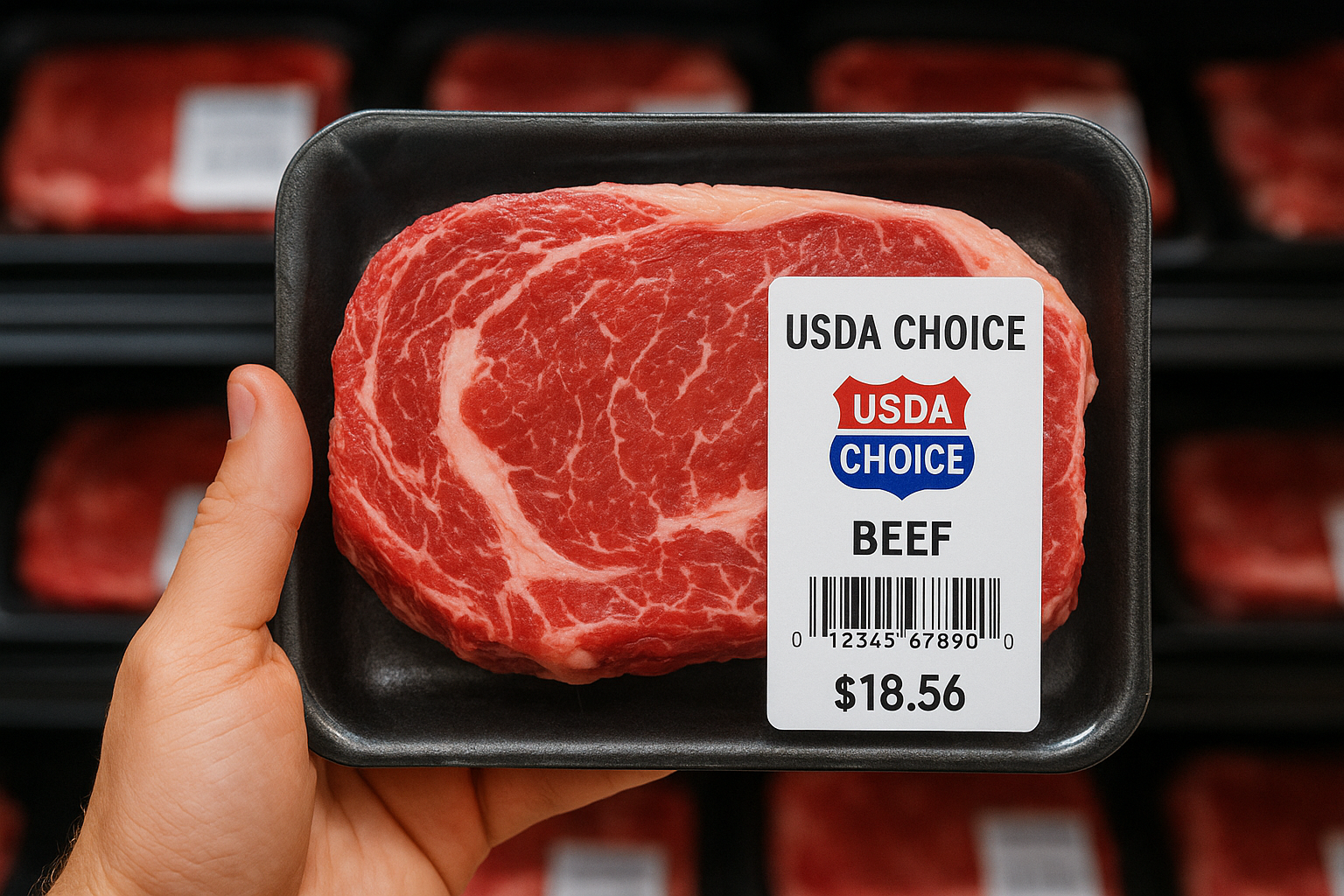
The difference between prime and choice beef shows up clearly on price tags, where Prime commands premium positioning both physically and financially.
Reading labels correctly
USDA labels state the grade plainly as "USDA Prime" or "USDA Choice" with an official shield stamp. Generic terms like "premium" or "quality" mean nothing without that government designation, so ignore marketing language and look for the actual grade shield.
How to choose Prime or Choice for each cooking method
Your cooking method determines which grade delivers better results for your money. Prime excels when you use techniques that showcase marbling, while Choice performs best with methods that add moisture or break down connective tissue through longer cooking times. Matching the grade to your recipe prevents wasting premium dollars on cuts that won’t taste noticeably different.
High-heat quick cooking methods
Grilling, pan-searing, and broiling work beautifully with Prime because those fat deposits melt quickly and baste the meat as it cooks. You get consistent results from simple salt-and-pepper seasoning without marinades or sauces to compensate for dryness. Choice handles these methods well too, but you need to watch internal temperature closely and pull your steak at medium-rare to medium to avoid toughness.
The difference between prime and choice beef matters most when you’re cooking fast and hot with minimal added moisture.
Low and slow cooking methods
Braising, slow-roasting, and smoking let you save money with Choice cuts since these techniques add liquid and cook for hours at lower temperatures. The extended time breaks down muscle fibers naturally, making marbling less critical to final tenderness. Prime feels wasteful for pot roast or stew because you’re paying premium prices for fat that renders out anyway, leaving you with results nearly identical to properly cooked Choice.
A simple way to decide next time
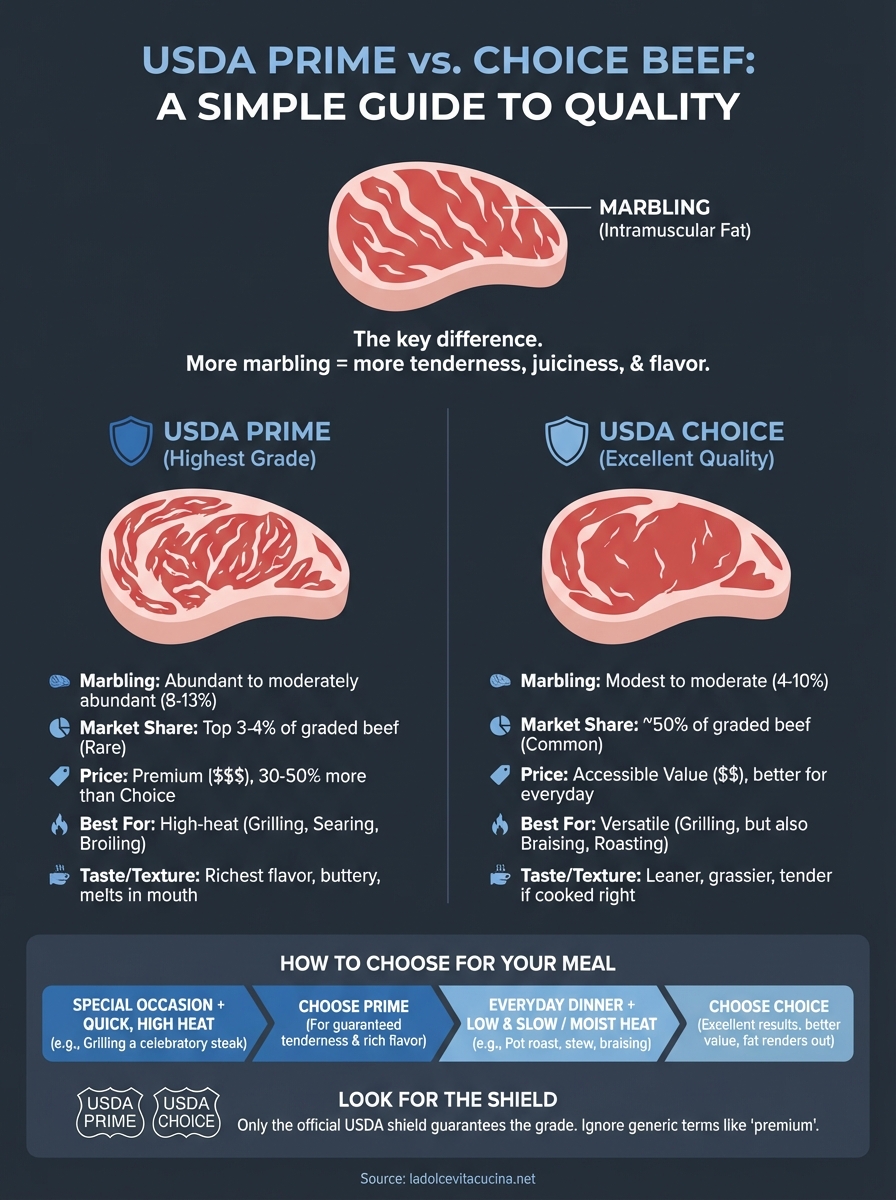
Ask yourself two questions before you buy: what’s your cooking method, and how much does the meal matter? If you’re grilling steaks for a special celebration and want guaranteed tenderness regardless of timing, Prime removes the guesswork. For weeknight dinners, braised dishes, or any recipe with added sauces and marinades, Choice delivers excellent results at half the price without noticeable differences on your plate.
The difference between prime and choice beef boils down to marbling and how that fat performs under heat. You’re not choosing between good and bad meat, you’re deciding how much insurance you want against overcooking and whether richer flavor justifies the premium cost. Both grades exceed safety standards and taste delicious when you match them to appropriate techniques.
When you want to experience Prime beef prepared exactly right without the shopping and cooking stress, visit us at La Dolce Vita Cucina in Portage Park. Our chefs source top-quality cuts and cook them to perfection so you can focus on enjoying your meal.