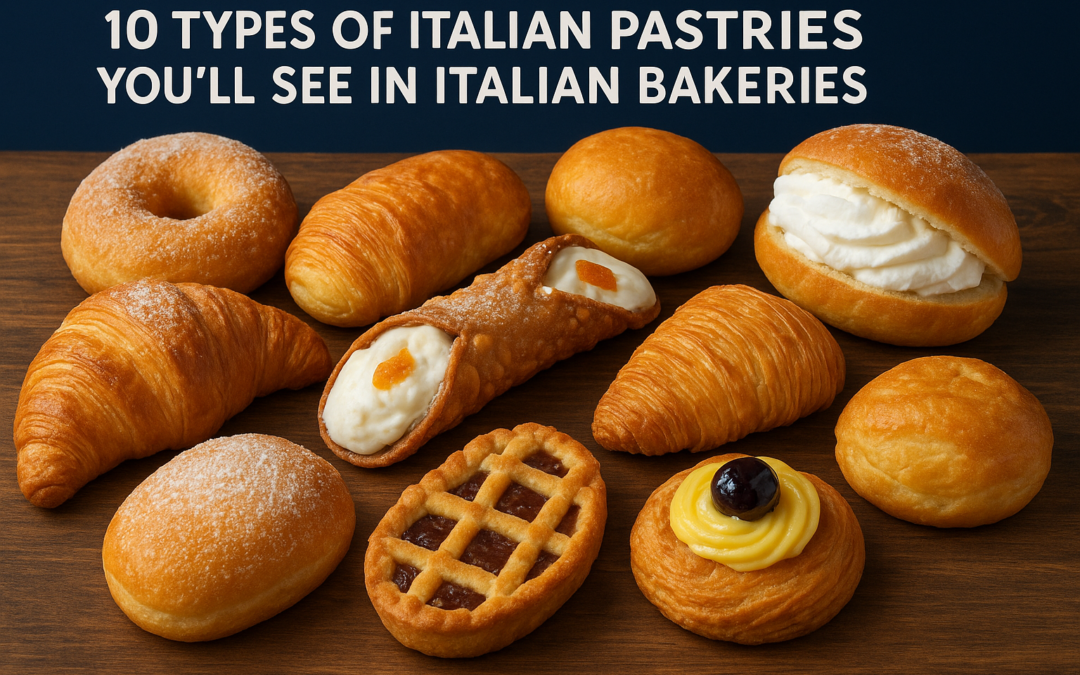
Walking into an Italian bakery is a sensory experience unlike any other. Glass cases overflow with golden crusts, cream-filled layers, and powdered sugar-dusted creations perfected over centuries. Understanding the types of Italian pastries helps you navigate these displays with confidence, and know exactly what to order.
Italian pastries vary dramatically from region to region, each with distinct ingredients, techniques, and stories behind them. Some are filled with sweet ricotta, others with silky custard or rich chocolate. Some are fried until crisp, others baked to flaky perfection. This variety reflects Italy’s culinary heritage, where every town has its signature sweet worth traveling for.
At La Dolce Vita Cucina in Chicago’s Portage Park neighborhood, we celebrate these traditions through our authentic Italian menu and house-made gelato. We understand the joy that comes from discovering a new favorite Italian treat. Below, you’ll find 10 classic pastries you’re likely to spot at Italian bakeries, along with what makes each one worth trying.
1. Cornetto
The cornetto sits at the heart of Italian breakfast culture and ranks as one of the most recognizable types of Italian pastries worldwide. You’ll notice its crescent shape resembles a French croissant, but the dough recipe and texture differ significantly. Italian bakers craft cornetti with less butter and more sugar than their French counterparts, creating a slightly denser, sweeter pastry that pairs perfectly with morning cappuccino.
What it is
A cornetto is a yeasted pastry baked until golden brown, with a soft, pillowy interior and a light crust. Bakers prepare the dough through a lamination process that creates delicate layers, though fewer than you’d find in a traditional croissant. The result is a breakfast pastry that holds its shape while remaining tender throughout.
Where you’ll see it in Italy
Every Italian bar and bakery displays cornetti prominently in morning hours. You’ll find them stacked behind glass counters from Milan to Sicily, often alongside espresso machines. Most Italians grab a cornetto at their neighborhood bar before work, standing at the counter while they eat.
Typical fillings and flavors
Plain cornetti (vuoto) feature no filling, but bakeries also offer versions filled with cream, jam, Nutella, or custard. You’ll spot apricot and cherry jams as classic choices. Some regions add chocolate chips or honey to the dough itself before baking.
Italians rarely eat cornetti after noon, treating them as strictly morning pastries.
How Italians order and eat it
You order a cornetto at the counter by specifying your filling preference. Italians typically dunk their cornetto directly into their cappuccino, softening the pastry with each bite. This dunking technique is completely acceptable and widely practiced throughout Italy.
Texture and taste cues
A quality cornetto feels slightly crisp on the outside but tears easily when you pull it apart. The interior should be fluffy and airy, never dense or doughy. You’ll notice a subtle sweetness that doesn’t overwhelm, allowing the butter flavor to shine through.
How to spot a great cornetto
Look for cornetti with a deep golden-brown color and visible layers along the torn edges. Fresh cornetti feel warm to the touch and smell rich with butter. Avoid any that appear pale or greasy, or those sitting in display cases past mid-morning.
2. Cannoli
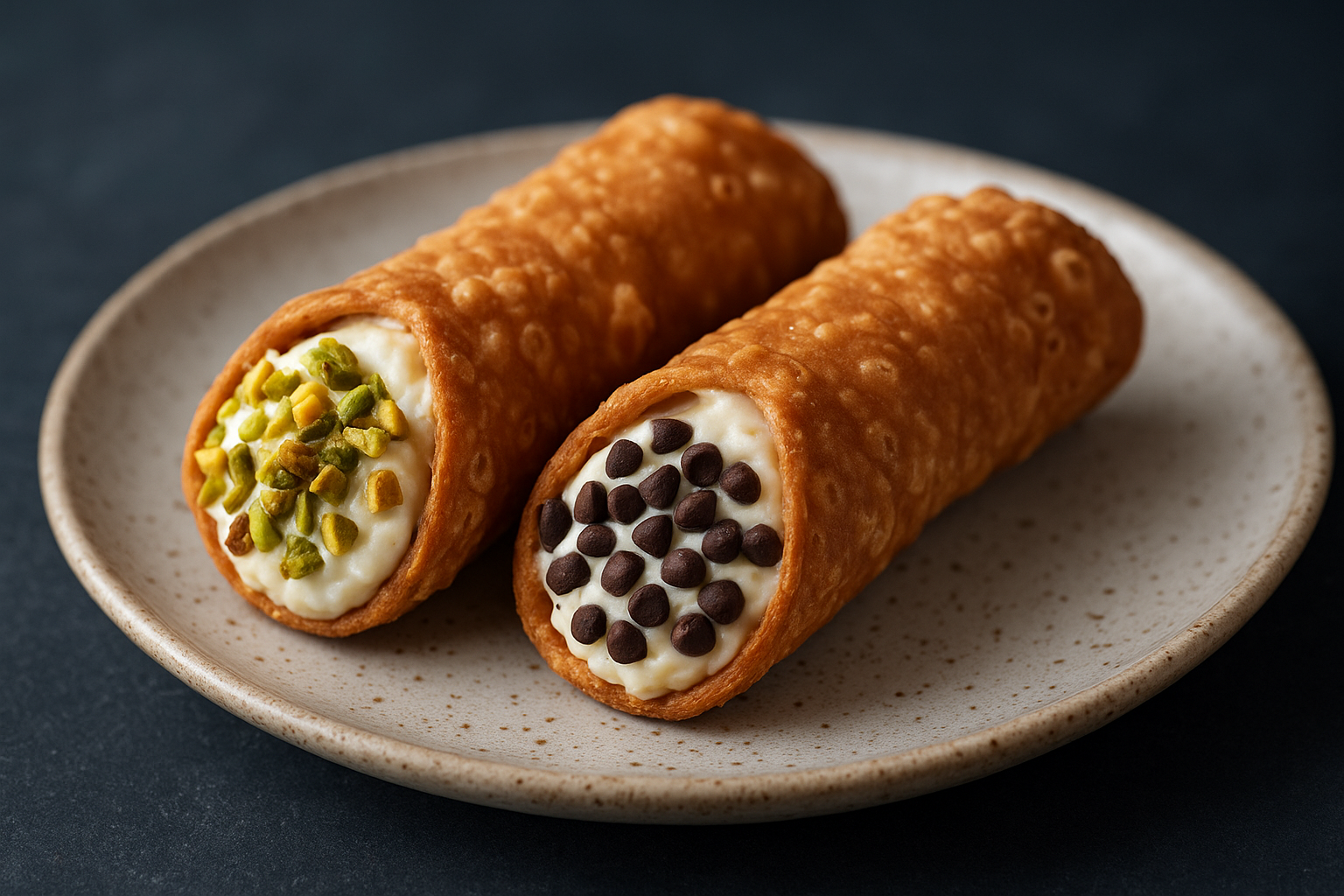
Cannoli stands among the most celebrated types of Italian pastries exported worldwide. You recognize this tubular dessert by its crispy fried shell filled with sweet ricotta cream and capped with pistachios or chocolate chips. The name "cannoli" translates to "little tubes," describing the distinctive cylindrical shape that defines this Sicilian specialty.
What it is
A cannolo (singular form) consists of a fried pastry shell wrapped around a creamy ricotta filling. Bakers roll thin dough around metal tubes, then fry the shells until golden and crisp before filling them.
Where it comes from
Sicily claims cannoli as its creation, with origins tracing back to Palermo and Messina. You’ll find the most authentic versions throughout Sicily, though bakeries across Italy now prepare their own regional interpretations.
Classic filling and toppings
Traditional cannoli filling combines sheep’s milk ricotta with sugar and sometimes candied fruit. Bakers pipe this mixture into shells just before serving, then dip the ends in chopped pistachios or mini chocolate chips. Some versions include orange zest or cinnamon in the filling.
Quality Italian bakeries never fill cannoli shells ahead of time, as this makes them soggy.
Shell texture and freshness rules
Fresh cannoli shells feel crisp and flaky when you bite through them. The shell should crack cleanly without bending or feeling chewy. Filled shells lose their crispness within hours, so you want cannoli assembled on demand.
Common variations you’ll see in bakeries
Bakeries now offer cannoli filled with chocolate ricotta, hazelnut cream, or even mascarpone. You’ll spot mini cannoli served as bite-sized versions alongside traditional large tubes.
Common mistakes to avoid when choosing one
Never select pre-filled cannoli that sit in display cases, as moisture destroys shell texture. Avoid cannoli with grainy or watery filling, which signals poor-quality ricotta or improper preparation.
3. Sfogliatella
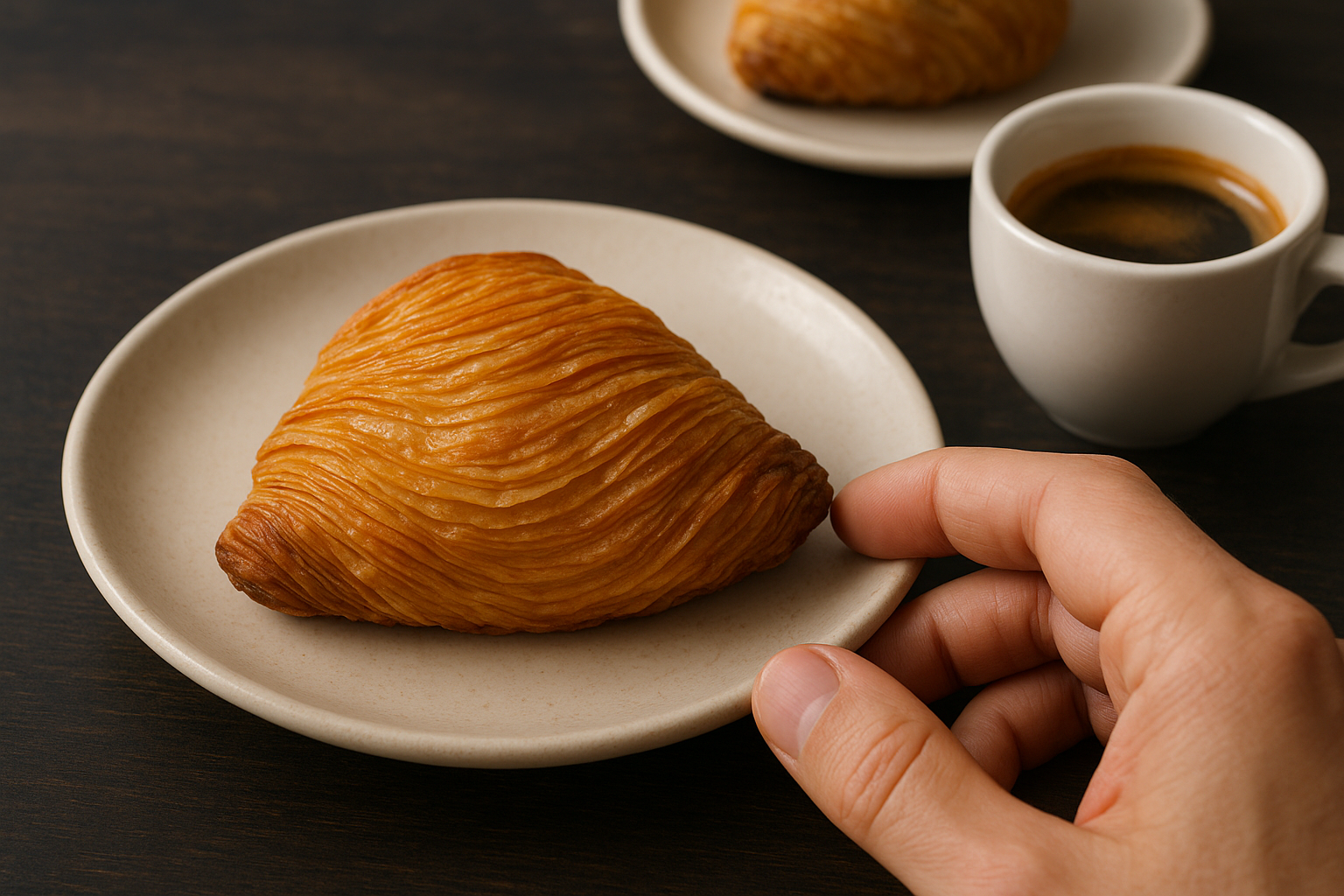
Sfogliatella ranks among the most visually striking types of Italian pastries you’ll encounter in bakeries. This shell-shaped pastry features countless paper-thin layers that fan out when you bite through, creating a texture unlike any other Italian sweet. Naples claims this pastry as its signature creation, though you’ll find versions throughout southern Italy.
What it is
Sfogliatella consists of extremely thin dough layers wrapped around a ricotta-based filling. Bakers achieve this lamination through a labor-intensive process that produces up to 100 delicate layers.
Riccia vs frolla styles
The riccia version features crispy, flaky layers that shatter when you bite them. Frolla sfogliatella uses shortcrust pastry instead, creating a smoother, softer exterior with the same filling inside.
Key flavors and filling
Traditional filling combines ricotta cheese with semolina, sugar, cinnamon, and candied citrus peel. You’ll taste a subtle orange flavor balanced with warm spices throughout each bite.
Why it tastes different from a croissant
Sfogliatella contains no butter in the dough, relying on lard or vegetable shortening instead. The filling adds savory-sweet complexity that croissants lack entirely.
Authentic sfogliatella requires days of preparation to achieve its signature texture.
How Italians eat it
Italians eat sfogliatella with their hands, letting the flaky layers break apart naturally. You’ll see locals enjoying them at room temperature with espresso.
What to look for in a well-made sfogliatella
Quality sfogliatella displays distinct, visible layers and feels light in your hand. The filling should taste fresh and creamy, never grainy or overly sweet.
4. Maritozzo
Maritozzo represents one of the softer types of Italian pastries you’ll encounter in Roman bakeries. This oval-shaped sweet bun gets sliced open and stuffed with massive amounts of whipped cream, creating a dessert that demands both hands to eat properly. The name connects to marriage traditions, though modern bakeries serve maritozzo throughout the day as a decadent treat.
What it is
A maritozzo consists of a sweet bread dough enriched with honey, butter, and sometimes raisins or pine nuts. Bakers shape the dough into small oval buns before baking until golden brown. Once cooled, they slice each bun horizontally and pipe fresh whipped cream inside, often overflowing the edges generously.
Where you’ll see it
You’ll find maritozzo primarily in Rome and Lazio region bakeries. Roman cafés display them behind glass counters from breakfast through afternoon hours. Many bakeries prepare maritozzo fresh daily, serving them as mid-morning snacks alongside espresso.
Traditional cream filling
Authentic maritozzo features plain whipped cream sweetened lightly and whipped to stiff peaks. The cream should taste fresh and clean, never artificial or overly sweet. Traditional versions contain no flavoring beyond vanilla.
Roman bakers judge maritozzo quality by cream-to-bread ratio, favoring generous portions.
How to eat it without making a mess
You eat maritozzo by pressing down gently on the top bun while taking bites. This technique keeps cream from squeezing out the sides. Italians often use small forks to eat escaped cream rather than letting it go to waste.
Modern variations you might find
Contemporary bakeries fill maritozzo with chocolate cream, pistachio cream, or coffee-flavored mascarpone. Some versions incorporate candied fruit or liqueur into the filling for added complexity.
What makes a great maritozzo
Quality maritozzo features a soft, pillowy bun that tears easily without feeling dense. The cream should be freshly whipped and cold, with enough volume to match the bread portion.
5. Bomboloni
Bomboloni are Italian fried doughnuts that rival any international pastry for pure indulgence. You’ll recognize these round, pillowy treats by their golden exterior coated in granulated sugar and their generous filling that oozes out with the first bite. These stand among the most beloved types of Italian pastries found in bakeries throughout the country.
What it is
A bombolone consists of yeasted dough fried until puffed and golden, then filled with cream or jam. The dough itself contains minimal sugar, relying on the coating and filling for sweetness.
When Italians eat it
Italians enjoy bomboloni primarily as breakfast pastries or mid-morning snacks. You’ll find bakeries preparing fresh batches throughout morning hours, with many selling out before noon.
Typical fillings
Traditional fillings include pastry cream, chocolate custard, raspberry jam, and apricot preserves. Modern bakeries offer pistachio cream and hazelnut variations alongside classic options.
Sugar coating and dough texture
Fresh bomboloni feature a crisp exterior that gives way to impossibly soft, airy dough inside. The granulated sugar coating should stick to the surface without feeling greasy or heavy.
Quality bomboloni weigh surprisingly little despite their size, indicating proper frying technique.
Regional names and close cousins
You might hear bomboloni called "krapfen" in northern Italy, particularly near Austria. The Venetian version, called "fritole," includes raisins and pine nuts in the dough.
How to choose the freshest bomboloni
Look for bomboloni that feel light and warm to the touch. Fresh ones display a consistent golden color without dark spots or pale patches that signal uneven frying.
6. Pasticciotto
Pasticciotto stands out among types of Italian pastries for its perfect balance of buttery crust and silky custard filling. This southern Italian specialty resembles a small pie, measuring just a few inches across, with a rich pastry cream center encased in tender shortcrust. You’ll find this treat particularly popular in Puglia, where bakeries prepare fresh batches multiple times daily to meet local demand.
What it is
A pasticciotto consists of shortcrust pastry molded into small rounds or ovals, filled with thick vanilla custard, then topped with more pastry and baked until golden. The pastry dough contains butter, eggs, and lemon zest for added flavor.
Where it comes from
This pastry originated in Lecce, Puglia during the 18th century. You’ll still find the most authentic versions throughout the Salento peninsula, where locals eat pasticciotto for breakfast with espresso.
Custard filling basics
The custard filling uses egg yolks, sugar, flour, and milk cooked until thick. Quality pasticciotto features custard that holds its shape when you cut through but melts smoothly on your tongue.
Shortcrust texture cues
The pastry shell should feel tender and crumbly, never tough or chewy. You’ll notice a slight resistance when you bite through, followed by immediate softness.
Authentic Pugliese bakeries prepare pasticciotto filling from scratch daily, never using premade custard.
Popular variations in Italian bakeries
Some bakeries add black cherry preserves or chocolate to the custard center. You might spot versions incorporating amarena cherries or Nutella alongside traditional custard.
How to tell if it was baked recently
Fresh pasticciotto feels slightly warm and displays a deep golden color on top. The pastry should smell buttery rather than stale, and the edges remain crisp rather than soft.
7. Zeppole di San Giuseppe
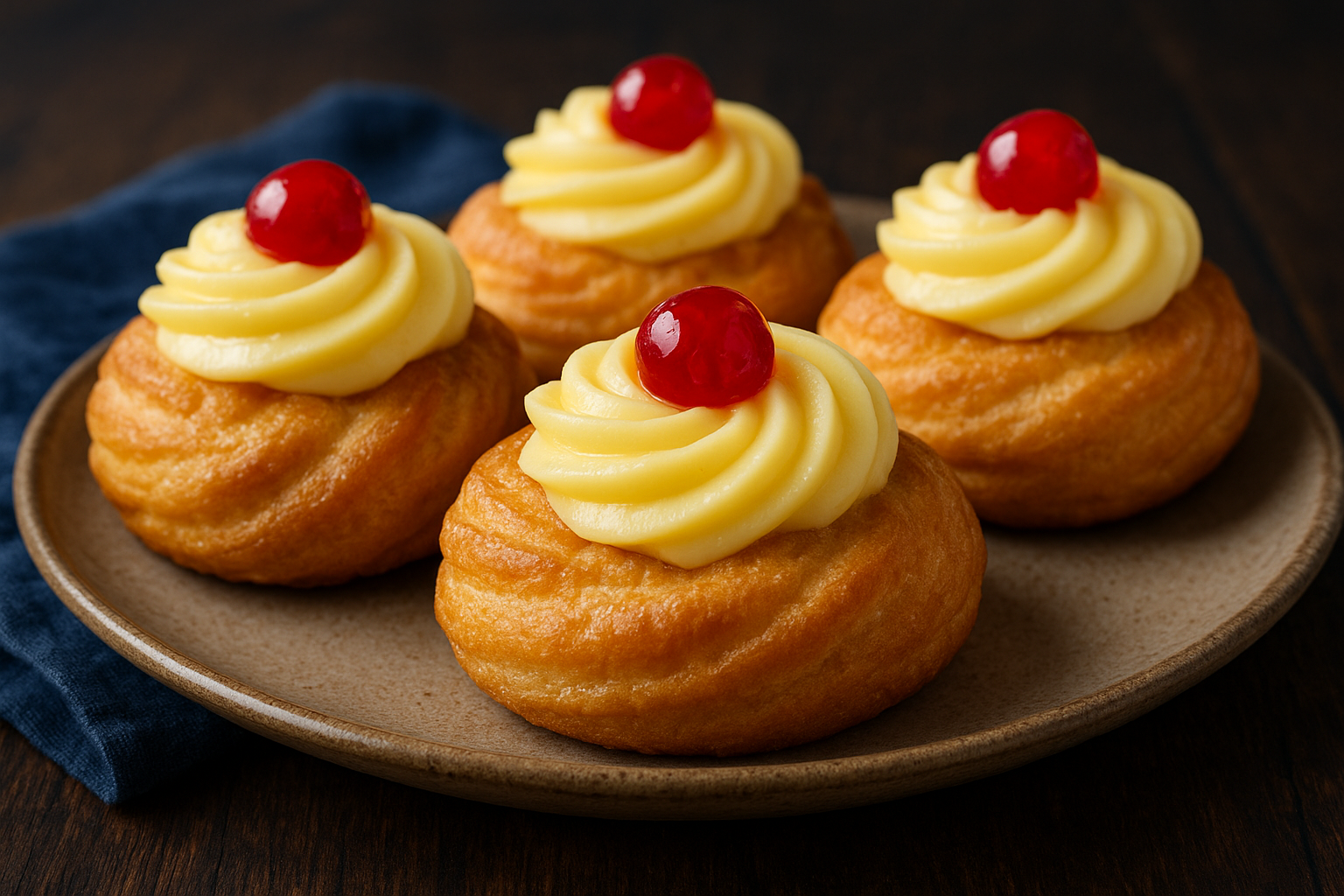
Zeppole di San Giuseppe rank among the most celebratory types of Italian pastries you’ll encounter in bakeries during spring. These round pastries feature a light dough base topped with generous amounts of custard or cream and finished with a bright red cherry. The name honors Saint Joseph, Italy’s patron saint of fathers, making this pastry deeply connected to Italian cultural traditions beyond simple dessert enjoyment.
What it is
Zeppole di San Giuseppe consist of choux pastry formed into rings or rounds, then either fried or baked until puffed and golden. Bakers top each zeppola with pastry cream and garnish it with an amarena cherry for color contrast.
When it’s traditional
You’ll find zeppole appearing in bakeries specifically around March 19th, Saint Joseph’s Day. Italian families buy these pastries to celebrate fathers, though some bakeries extend availability through the entire month.
Baked vs fried versions
Fried zeppole taste richer and lighter with a crisp exterior that yields to airy dough inside. Baked versions offer a firmer texture with less oil, appealing to those who prefer lighter pastries.
Custard topping and classic garnish
Traditional zeppole feature thick vanilla custard piped generously on top, then crowned with a single amarena cherry in syrup. The bright red cherry provides visual appeal and a tart contrast to sweet cream.
Neapolitan bakeries prepare thousands of zeppole on Saint Joseph’s Day alone.
Flavor variations you may see
Modern bakeries fill zeppole with chocolate custard, ricotta cream, or lemon-flavored pastry cream. Some versions incorporate orange zest into the dough itself for added complexity.
What to look for so it doesn’t taste heavy
Quality zeppole feel light in your hand despite their cream topping. The dough should taste neutral and airy, allowing the custard flavor to dominate without greasiness.
8. Babà al rum
Babà al rum brings a unique alcohol-soaked dimension to the collection of types of Italian pastries you’ll discover in southern bakeries. This small, mushroom-shaped cake sits submerged in rum syrup for hours before serving, transforming simple yeast dough into a boozy dessert that divides pastry lovers into devoted fans or complete skeptics. Naples claims this adaptation of a Polish cake as its own, perfecting the syrup ratio and serving technique over generations.
What it is
A babà consists of yeasted dough baked in individual molds, then soaked completely in sugar syrup infused with rum. The dough itself contains eggs and butter but minimal sugar, allowing the soaking liquid to provide sweetness and moisture.
Why it’s famous in Naples
Neapolitan bakers adopted this pastry in the 18th century and transformed it into a local specialty. You’ll find babà in virtually every pasticceria throughout Naples, where locals treat it as an essential dessert option rather than an occasional specialty.
Rum syrup and sponge texture
The sponge absorbs syrup like a dense kitchen sponge, becoming thoroughly saturated without falling apart. Quality babà maintains structural integrity while feeling completely moist throughout, never mushy or disintegrating when you lift it with a fork.
Authentic Neapolitan babà requires at least several hours of soaking to achieve proper saturation.
How bakeries serve it
Bakeries serve babà chilled or at room temperature, often with whipped cream on the side. Some establishments drizzle additional rum or syrup over the pastry just before serving for extra moisture and flavor intensity.
Common variations like limoncello
You’ll spot versions soaked in limoncello instead of rum, particularly along the Amalfi Coast. Some bakeries offer prosecco-soaked babà as a lighter alternative that appeals to customers who prefer less alcohol intensity.
How to avoid a dry babà
Fresh babà should feel heavy and saturated when you pick it up. Avoid any that appear light or feel springy, which signals insufficient soaking time or stale dough underneath the syrup coating.
9. Crostata
Crostata represents the most homestyle entry among types of Italian pastries you’ll find in bakeries and cafés throughout Italy. This rustic tart features a buttery shortcrust pastry base filled with fruit preserves, then topped with a lattice or full pastry cover before baking. Unlike elaborate cream-filled pastries, crostata embraces simplicity, letting quality ingredients shine through without heavy decoration or complex techniques.
What it is
A crostata consists of pasta frolla, Italy’s classic shortcrust pastry, pressed into a tart pan and filled with jam or preserves. Bakers add lattice strips across the top or leave the filling exposed, then bake until the crust turns golden brown.
The crust style Italian bakeries use
Italian bakeries prepare crostata crust with flour, butter, sugar, eggs, and lemon zest. This combination creates a crumbly, cookie-like texture that differs from French tart crusts, which tend toward flakier results.
Most common jam fillings
You’ll see apricot, cherry, and fig preserves as standard fillings in most Italian bakeries. Marmalade versions using orange or lemon appear frequently alongside berry options like raspberry or blackberry.
Seasonal and regional twists
Bakeries adapt crostata fillings based on local fruit availability and regional preferences. You’ll find ricotta-based fillings in southern Italy, while northern bakeries incorporate apple or pear preserves during fall months.
Traditional Italian families bake crostata at home weekly, making it one of the most familiar desserts across generations.
How Italians serve it at home vs in cafés
Italians serve crostata at room temperature for afternoon snacks at home, often with coffee. Cafés display individual slices alongside other pastries, selling them throughout the day as light dessert options.
What a good crostata looks and tastes like
Quality crostata features a tender, crumbly crust that holds together without feeling dry. The filling should taste bright and fruity, with visible fruit pieces rather than overly processed jam consistency.
10. Biscotti
Biscotti complete the roster of essential types of Italian pastries with their distinctive twice-baked crunch that sets them apart from every other sweet you’ll encounter. These elongated cookies feature a dry, hard texture specifically designed for dunking in coffee or sweet wine. You’ll find biscotti displayed in tall glass jars at Italian bakeries and cafés, where they serve as both afternoon snacks and after-dinner treats that demand patient chewing or strategic dipping.
What it is
Biscotti are oblong cookies baked twice to achieve their signature crispness. Bakers form dough into long logs, bake them until set, then slice and bake the individual pieces again until completely dry.
Why Italians bake them twice
The double baking process removes all moisture from the dough, creating cookies that last for weeks without going stale. This technique originated as a preservation method for sailors and travelers needing long-lasting provisions.
Common add-ins like almonds and anise
Traditional biscotti contain whole almonds and anise seeds for flavor. You’ll encounter versions with hazelnuts, pistachios, dried fruit, or chocolate chips depending on regional preferences and baker creativity.
How Italians dip and pair biscotti
Italians dunk biscotti in espresso, cappuccino, or vin santo (sweet dessert wine) to soften them before eating. The cookies absorb liquid quickly while maintaining structural integrity.
Authentic Italian biscotti should resist breaking when you dunk them, never crumbling into your cup.
Regional styles you might notice
Tuscan biscotti di Prato feature no butter or oil, resulting in an extremely hard texture. You’ll find softer versions in other regions that incorporate butter or eggs for added richness.
How to judge freshness and quality
Quality biscotti snap cleanly when you break them, revealing visible nuts or add-ins throughout. Avoid any that feel soft or bend without breaking, which signals improper baking or moisture exposure.
A simple way to pick your first pastry
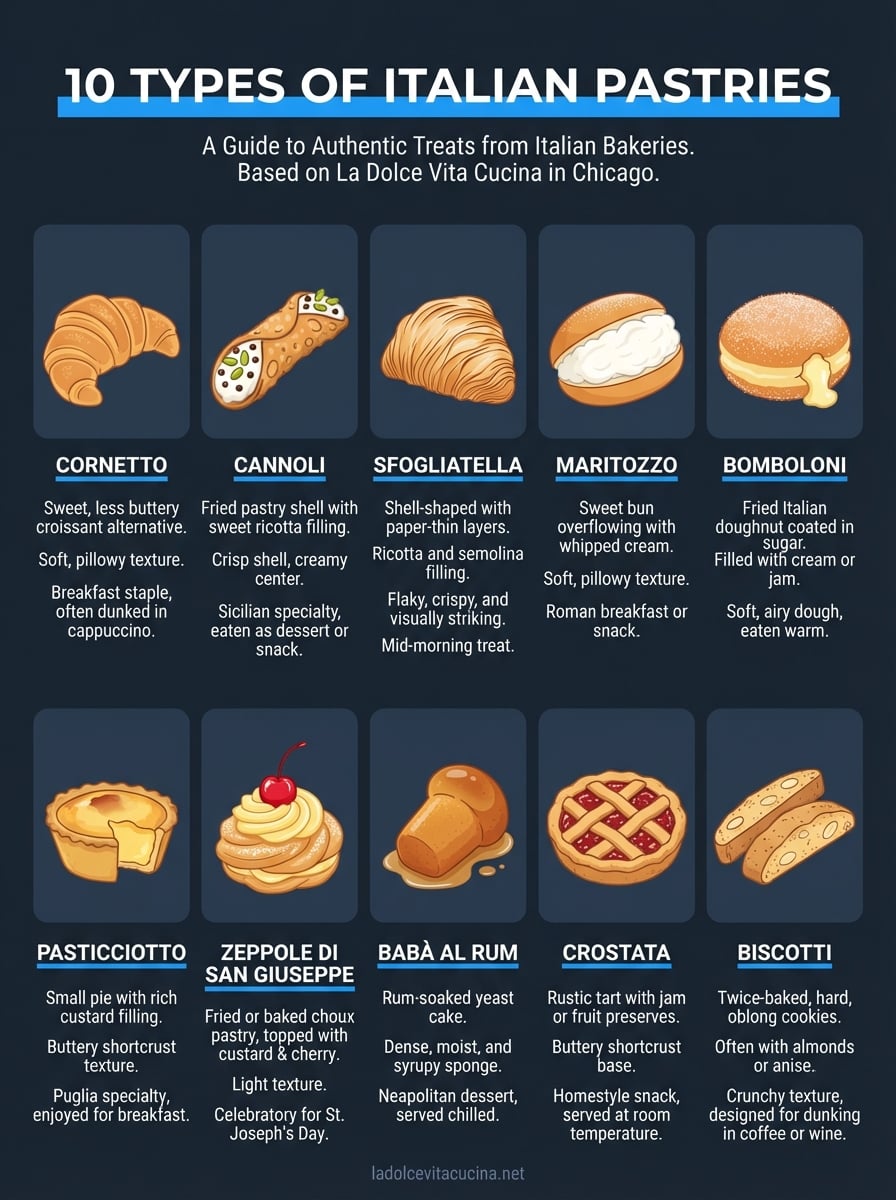
You now understand the range of types of Italian pastries available in authentic bakeries, but choosing your first one still feels overwhelming. Start with your texture preference as the deciding factor. If you prefer flaky and crispy, reach for a cornetto or sfogliatella. Cream lovers should try maritozzo or cannoli first, while those who enjoy rum-soaked desserts will appreciate babà.
Morning visits to Italian bakeries offer the freshest selection, particularly for fried items like bomboloni. You’ll find bakers replenishing displays throughout early hours, giving you access to pastries still warm from ovens. Ask bakery staff for their daily specialty rather than defaulting to familiar names, as many prepare specific items on particular days.
When you’re ready to experience authentic Italian flavors in Chicago’s Portage Park neighborhood, visit La Dolce Vita Cucina for house-made gelato and traditional Italian cuisine. Our menu celebrates the sweet and worthy aspects of Italian food culture with dishes and desserts crafted to transport you directly to Italy.