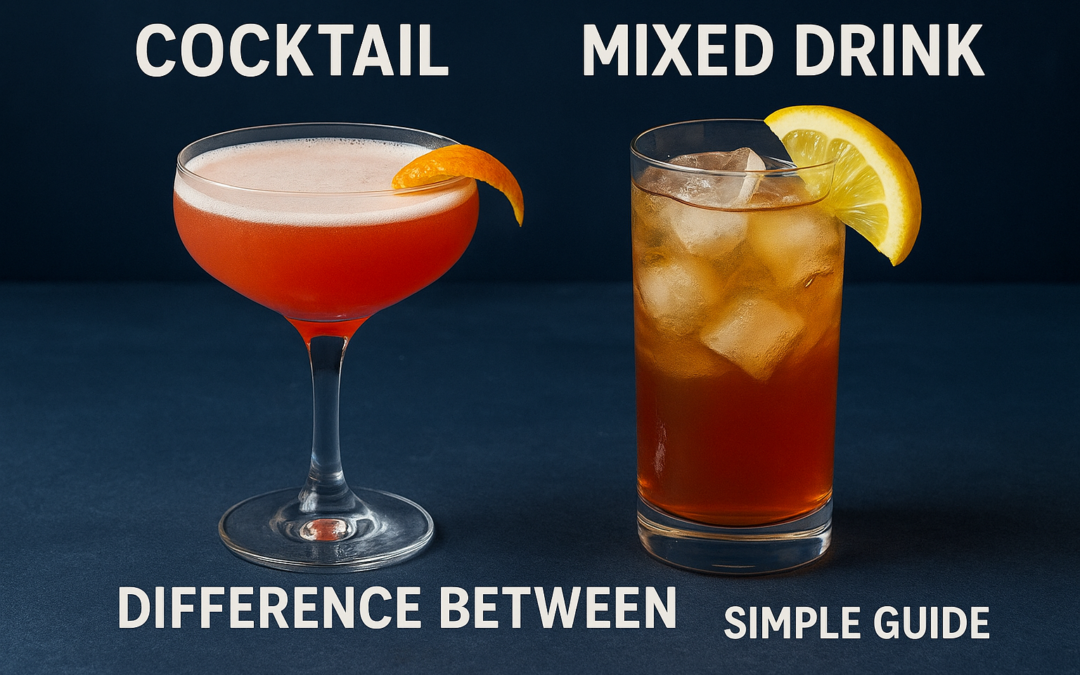
You’re at a bar, scanning the menu, and you see "cocktails" in one section and "mixed drinks" in another. Are they the same thing? Not exactly. The difference between cocktail and mixed drink comes down to ingredients, technique, and a bit of bartending tradition that most people never think about. Understanding it changes how you order, and what ends up in your glass.
Here’s the short version: every cocktail is a mixed drink, but not every mixed drink is a cocktail. A rum and Coke? Mixed drink. A Negroni built with precise ratios and stirred over ice? That’s a cocktail. The distinction matters, especially when you’re choosing from a curated drink menu like the one we put together at La Dolce Vita Cucina in Chicago’s Portage Park neighborhood, where our cocktail list is designed to complement Italian flavors rather than just get something cold in your hand.
This guide breaks down the real differences between the two terms, covering ingredient count, preparation method, and how bartenders actually classify what they make. By the end, you’ll know exactly what separates a simple two-ingredient pour from a crafted cocktail.
Why the difference matters when you order
Knowing the difference between cocktail and mixed drink affects more than trivia night answers. When you scan a drink menu, the language a bar uses tells you something real about what to expect from the drink and from the venue. A menu that lists "mixed drinks" is usually signaling simplicity and speed. A menu that leads with "cocktails" is telling you the bar invested in technique, ratios, and intentional balance.
What you’re actually paying for
When a bartender charges you more for a cocktail than a mixed drink, that price gap reflects real labor and ingredient costs, not a random markup. A well-made cocktail often involves multiple spirits, fresh juice, house-made syrups, or specific garnishes. Each of those elements adds both time and cost to your glass. A basic mixed drink, by contrast, typically involves pouring two ingredients over ice, which takes seconds and requires minimal preparation.
A higher price on a cocktail menu reflects the craft, the quality of ingredients, and the time a skilled bartender puts into building that drink correctly.
How menu language shapes your expectations
The words a menu uses set your expectations before you take a single sip. If a restaurant labels its drinks as cocktails, you’re right to expect something balanced and intentional, not just alcohol with a mixer poured on top. At La Dolce Vita Cucina, the cocktail menu is built around pairings that work specifically with Italian food, meaning every drink is chosen and proportioned with a clear purpose. Recognizing this distinction helps you order smarter and walk away with exactly the drinking experience you were looking for.
What counts as a mixed drink
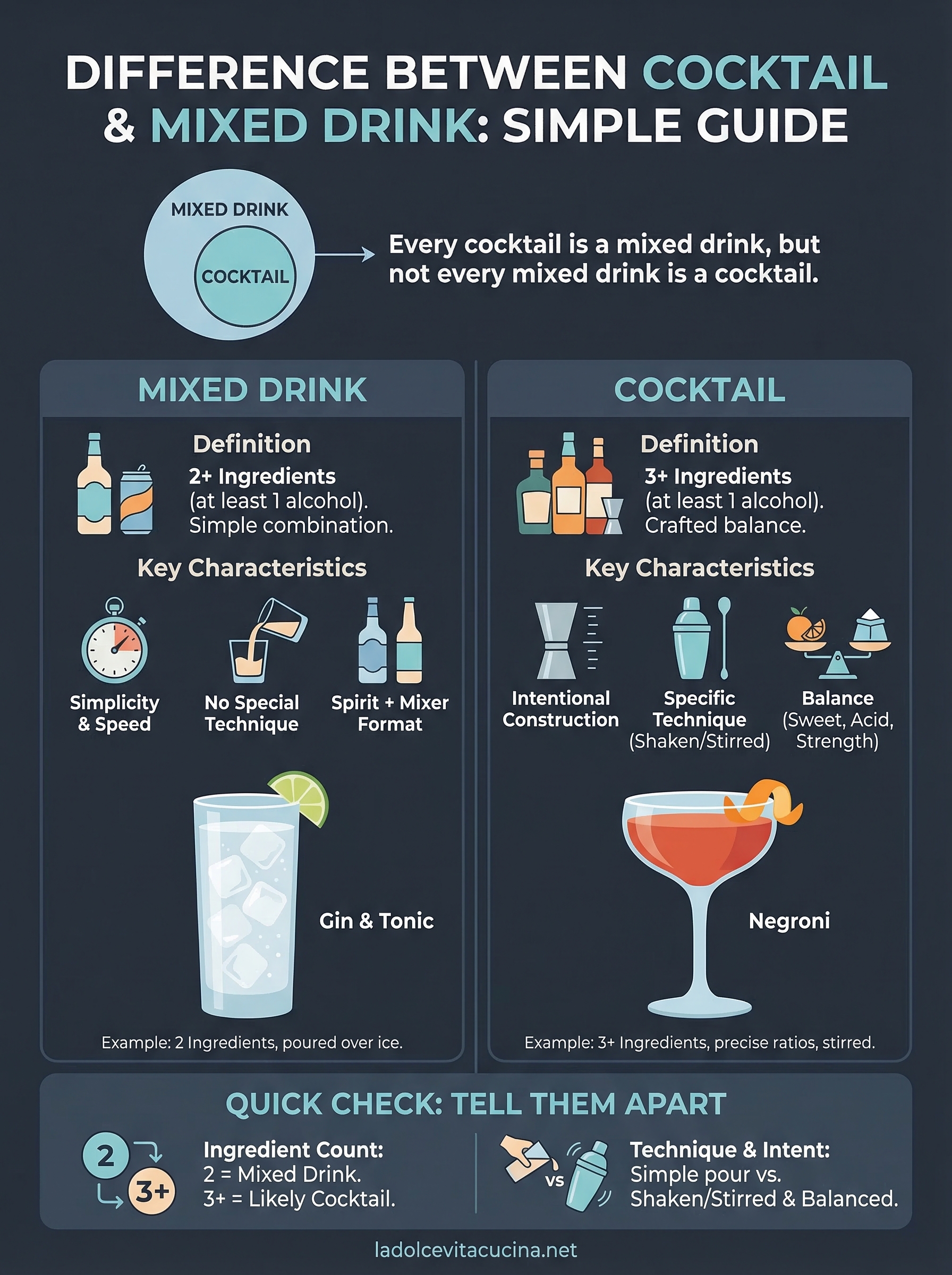
A mixed drink is any beverage that combines two or more ingredients, with at least one being alcohol. That’s the full definition. There’s no requirement for a specific technique, a particular number of components, or any kind of balancing act. Pour vodka over orange juice, stir it lightly, and you have a screwdriver: a classic mixed drink, ready in under 30 seconds.
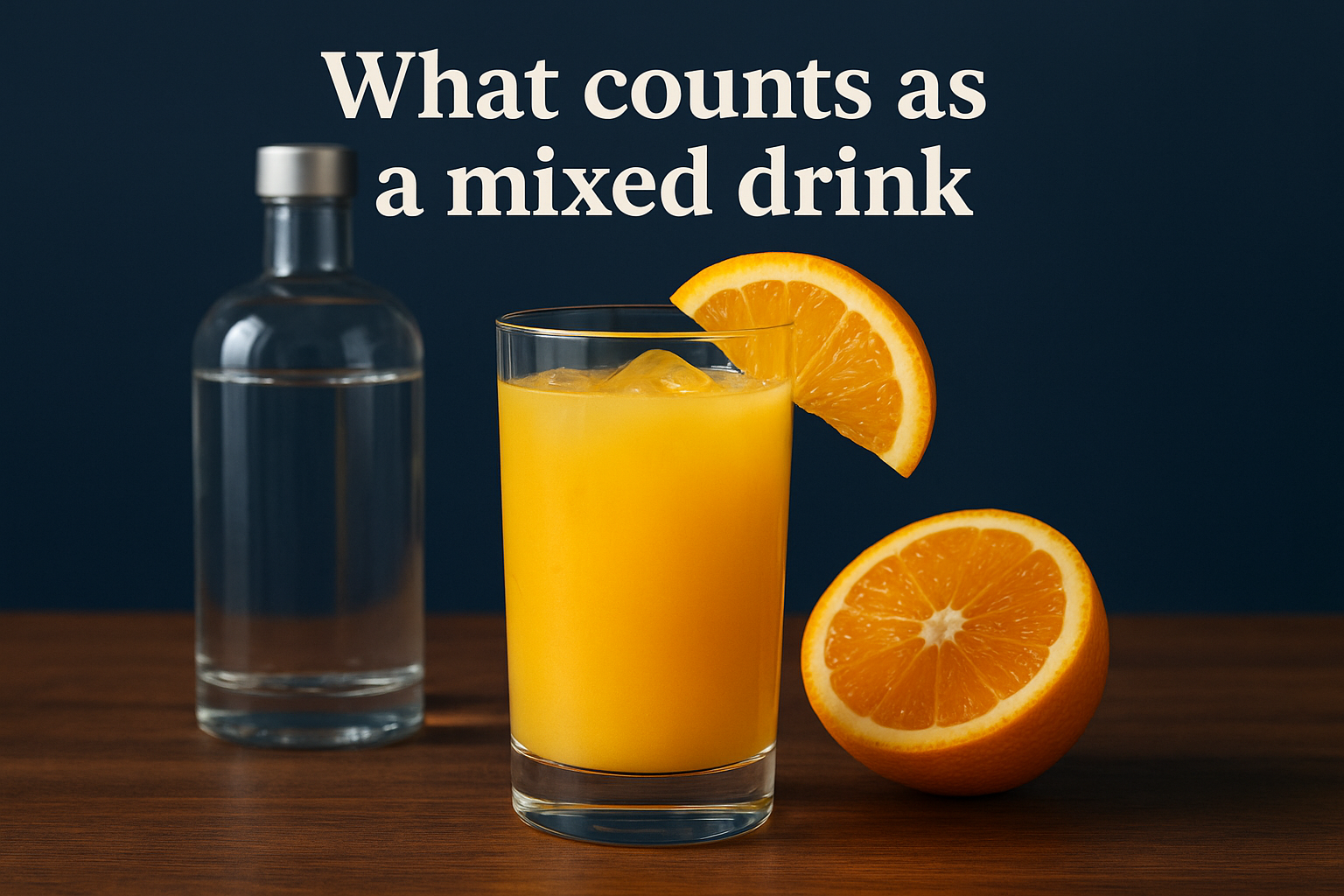
The mixed drink category is broad by design, which is exactly why the difference between cocktail and mixed drink comes down to more than just "alcohol plus something else."
The two-ingredient standard
Most classic mixed drinks follow a simple spirit-plus-mixer format. Whiskey and ginger ale, gin and tonic, rum and Coke: each of these combines one base alcohol with one non-alcoholic mixer. You don’t need a recipe card, a jigger, or any real bartending knowledge to make one.
Speed and simplicity define this category, which is why high-volume bars rely on mixed drinks to keep service moving quickly. When the goal is a quick, familiar drink without added complexity, a mixed drink is exactly what you’re ordering. No technique required, no balancing of flavors, just two ingredients doing their job together.
What counts as a cocktail
A cocktail requires at least three ingredients, with at least one being alcohol. Beyond the count, a cocktail demands intentional construction: set ratios, a specific preparation method (shaken, stirred, or built), and a deliberate balance among all the components. The difference between cocktail and mixed drink lives in that level of craft applied to every glass.
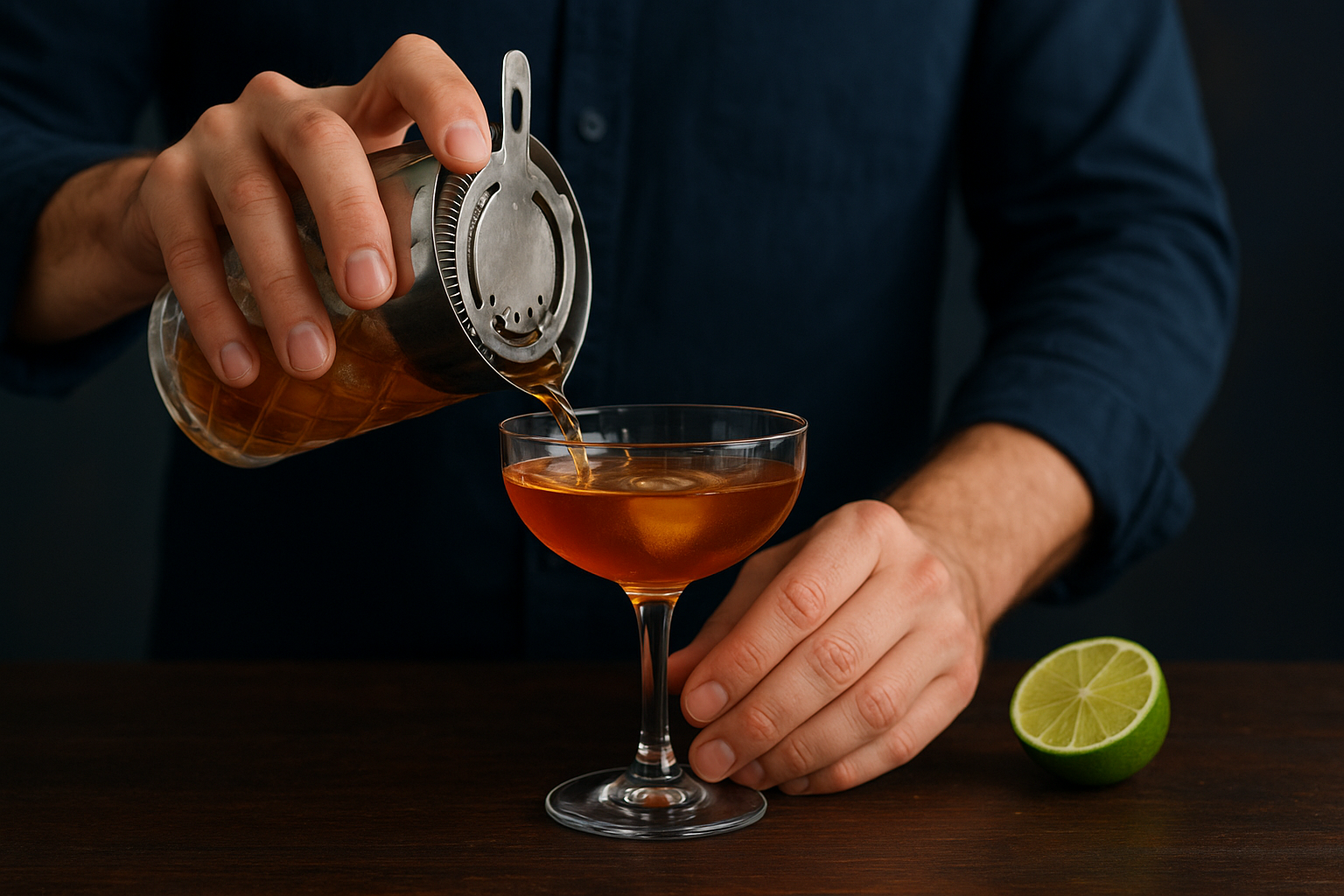
A cocktail isn’t just more ingredients combined; it’s a drink built with a specific outcome in mind, where removing one element changes the entire result.
The role of technique and balance
Technique is what separates a bartender building cocktails from someone simply pouring drinks. Shaking a Margarita correctly dilutes and chills it in a way stirring cannot replicate. Stirring a Martini preserves clarity and texture that shaking would destroy. Each method exists for a specific reason, and using the wrong one changes what ends up in your glass.
Balance is the other defining factor. A well-built cocktail aligns sweetness, acidity, strength, and dilution in deliberate proportions. When you shift those proportions incorrectly, the drink falls apart. That precision is what you taste as a unified, intentional drink rather than a collection of separate flavors poured into one glass.
How to tell them apart in under 10 seconds
When you need to figure out the difference between cocktail and mixed drink on the spot, ask yourself one simple question: how many ingredients does this drink contain? If the answer is two, you’re looking at a mixed drink. If it’s three or more, built with a clear method and intentional balance, it’s a cocktail. That single count gets you most of the way to the right answer without needing any bartending knowledge.
Count the ingredients first, then check whether a deliberate technique was used to combine them.
A quick two-step check
Start by counting what’s in the glass. One spirit and one mixer equals a mixed drink. Three or more components, especially when they include a modifier like a liqueur, fresh juice, or a house-made syrup, push the drink into cocktail territory.
Then look at how it was made. A drink that required shaking, stirring with a bar spoon, or careful layering is a cocktail. Something poured directly into a glass over ice without measuring is almost always a mixed drink. These two checks take under 10 seconds and give you a reliable answer every time you’re scanning a menu or watching a bartender work.
Examples and tricky edge cases
Some drinks blur the line and make the difference between cocktail and mixed drink harder to call at first glance. A gin and tonic sits cleanly in the mixed drink category: two ingredients, no technique required, done. A Negroni, built with gin, sweet vermouth, and Campari and stirred with intention, is a cocktail. But some drinks land in a gray zone that will trip you up if you rely on ingredient count alone.
Ingredient count gets you close, but technique and intent are what actually settle the classification.
The Long Island Iced Tea problem
The Long Island Iced Tea contains five different spirits plus sour mix and cola, which technically qualifies it as a cocktail by ingredient count. Many bartenders treat it as a mixed drink in practice because the preparation is simple and the goal is volume, not balance.
You end up with a drink that checks the boxes on paper but skips the craft entirely. That gap between definition and execution is exactly where edge cases live.
When simple syrup changes the category
Adding house-made simple syrup to a two-ingredient drink technically bumps it into cocktail territory by definition. Most professionals, though, still classify it as a glorified mixed drink if no real balancing technique is applied.
Your bartender’s intent matters here. If the syrup was added to balance acidity or sweetness rather than just add flavor, the drink earns its cocktail label.
Final takeaway
The difference between cocktail and mixed drink comes down to three things: ingredient count, technique, and intent. A mixed drink combines two ingredients with no required method. A cocktail brings three or more components together using deliberate preparation and a clear balance across every element. That distinction shapes what you taste, what you pay, and what a bar is signaling when it puts a drink on its menu.
Now you can read any drink list and know exactly what you’re looking at. Two ingredients poured over ice is a mixed drink, fast and simple. A drink built with ratios, modifiers, and a specific method is a cocktail, crafted rather than assembled. That knowledge makes you a sharper, more confident drinker every time you pull up a seat.
If you want to experience a cocktail menu built around Italian flavors, come see what we’ve put together at La Dolce Vita Cucina in Chicago’s Portage Park neighborhood.