
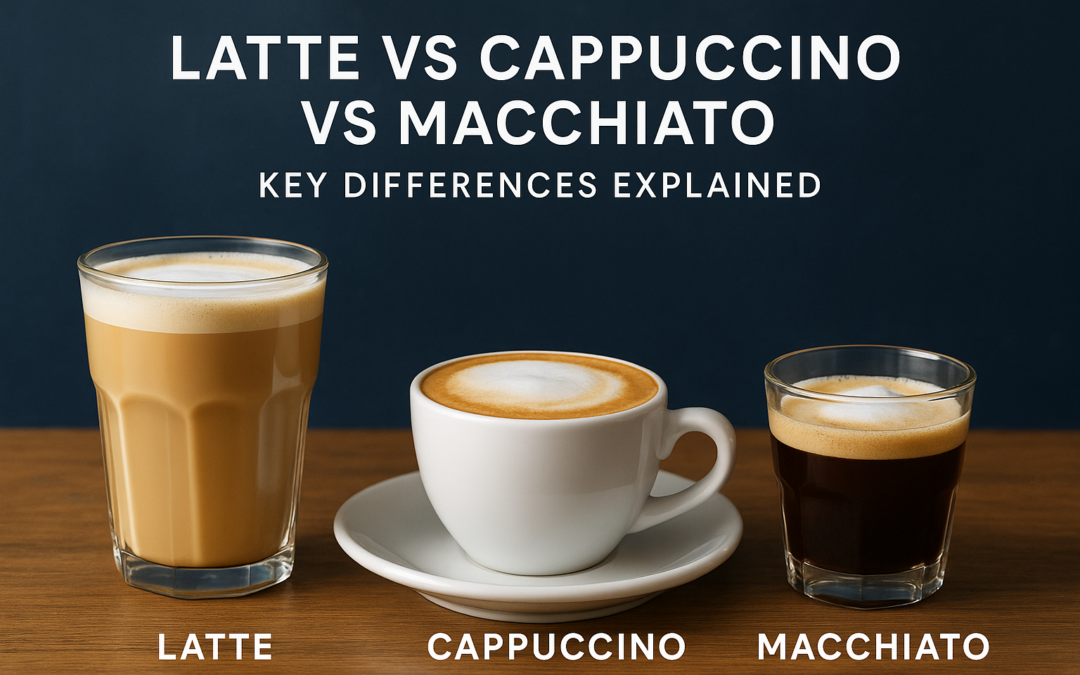
You’re standing at a coffee bar, or maybe scanning a drinks menu, and there they are: latte vs cappuccino vs macchiato. Three espresso-based drinks that look similar on paper but deliver completely different experiences in the cup. Picking one without understanding what sets them apart is a coin flip, and your morning coffee deserves better than that.
The differences come down to espresso-to-milk ratios, foam texture, and how bold that coffee flavor hits your palate. A latte is smooth and milk-forward. A cappuccino balances foam and espresso in equal measure. A macchiato puts the espresso front and center with just a small mark of milk. Simple enough, but the details matter.
At La Dolce Vita Cucina in Chicago’s Portage Park neighborhood, we take Italian coffee culture as seriously as our homemade pasta. These three drinks are rooted in Italian tradition, and understanding them is part of appreciating the cuisine and culture we bring to every table. Below, we break down exactly what makes each drink unique, from preparation method to flavor profile, so you can order with confidence next time.
Why these drinks taste so different
When you compare latte vs cappuccino vs macchiato, the flavor gap between them is not random. Every difference traces back to two core variables: how much espresso is in the cup and how the milk is prepared and textured. Change either one of those, and you change the entire character of the drink.

The role of espresso
Espresso is the foundation of all three drinks. A standard espresso shot pulls roughly 30ml of concentrated coffee through finely ground beans at high pressure. That small volume carries intense flavor, bright acidity, and a layer of crema on top. The more of that shot you taste relative to milk, the bolder and more bitter the drink will register on your palate. A macchiato keeps the espresso ratio high. A latte dilutes it significantly with a large volume of milk. A cappuccino sits in the middle.
The espresso-to-milk ratio is the single biggest driver of how strong or mild your coffee experience feels.
Milk and foam: texture changes everything
Beyond the ratio, how the milk is prepared shifts the experience in a major way. Steaming milk changes both its texture and sweetness. When you heat milk, its natural sugars become more prominent, which softens the sharpness of espresso. Frothing milk further introduces air, creating foam that ranges from silky microfoam to thick, dry bubbles depending on the technique used.
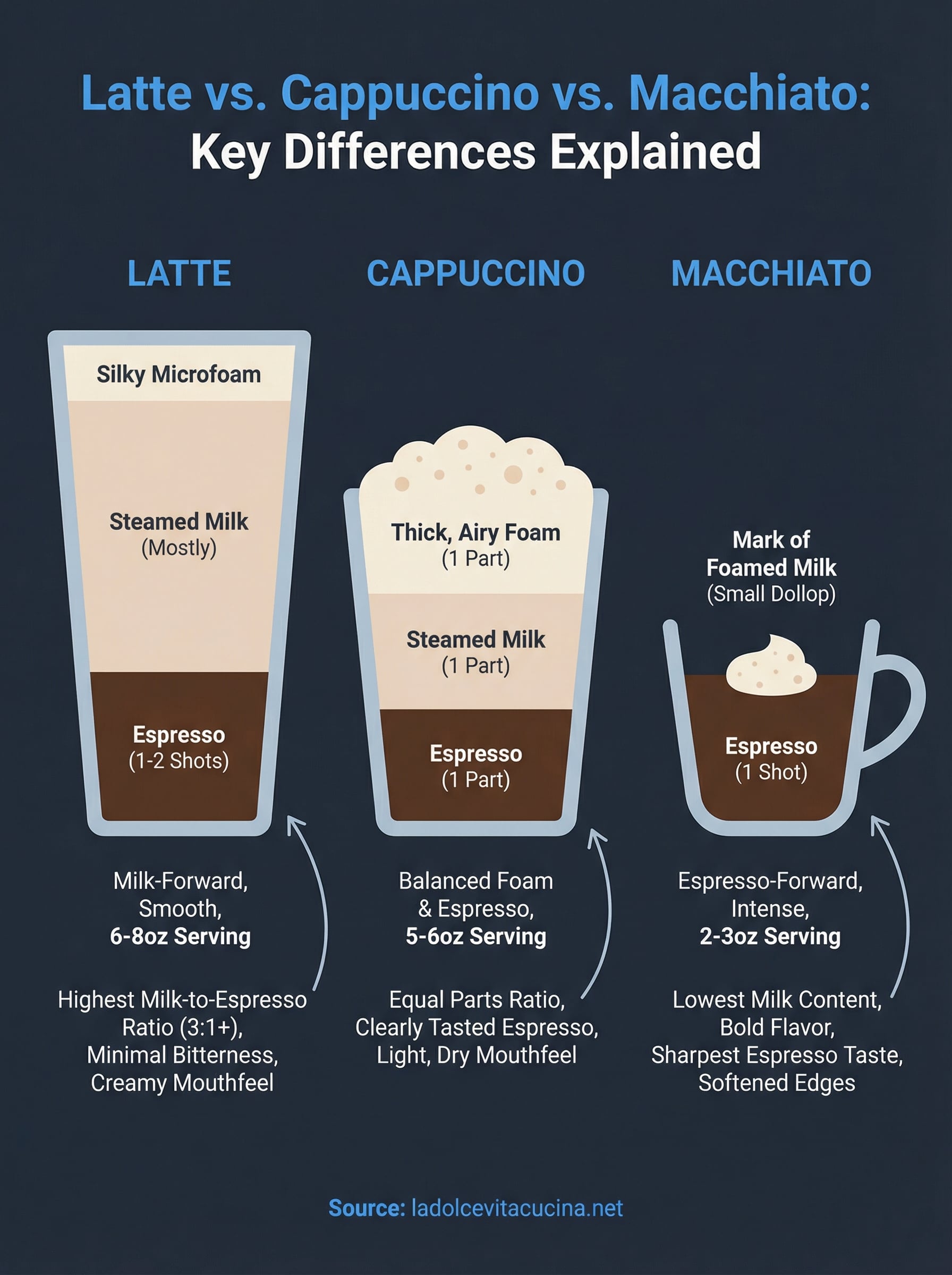
A latte uses mostly steamed milk with just a thin layer of microfoam on top, giving it a smooth and creamy texture from the first sip to the last. A cappuccino uses roughly equal parts espresso, steamed milk, and thick foam, so the mouthfeel changes as you drink through the layers. A macchiato uses the least milk of the three, keeping the texture close to straight espresso with only a slight softening effect on the edges.
Latte basics: milk-forward espresso drink
A latte is the most milk-heavy drink in the latte vs cappuccino vs macchiato comparison, and that single fact explains why it appeals to so many people. You get one or two shots of espresso topped with a generous pour of steamed milk and a thin layer of velvety microfoam sitting on top. The result is a smooth, creamy drink where the coffee flavor is present but never aggressive.
What goes into a latte
Standard lattes use a 6-to-8-ounce serving, with steamed milk making up the majority of that volume. The milk-to-espresso ratio typically runs around 3:1 or higher, which means the bitterness and intensity of the espresso get softened considerably by the time the drink reaches your hands. That heavy milk content also means the drink stays warmer longer, since there is more thermal mass holding heat in the cup.
A latte is the ideal starting point if you are new to espresso drinks and want coffee flavor without a sharp punch.
The microfoam on top is thin and silky, not thick or dry. Baristas stretch the milk to a smooth, paint-like consistency before pouring, which is why a well-made latte has that glossy surface you see in coffee shops. If you prefer a gentler coffee experience with rich texture and minimal bitterness, a latte is the drink built for you.
Cappuccino basics: smaller and foamier
A cappuccino lands in the middle of the latte vs cappuccino vs macchiato spectrum, delivering a bolder espresso hit than a latte but with more milk than a macchiato. The drink typically comes in a 5-to-6-ounce serving, which is noticeably smaller than a latte. That smaller size concentrates the flavor and lets the espresso hold its own against the milk.
What goes into a cappuccino
The classic formula divides the drink into three equal parts: one part espresso, one part steamed milk, and one part thick foam. That foam is the defining feature. Unlike the thin microfoam that sits on a latte, cappuccino foam is airy and textured, rising high above the rim of the cup and creating a dry, light mouthfeel that contrasts directly with the liquid underneath.
If you want to taste the espresso clearly but still appreciate a creamy texture, a cappuccino gives you both in one small cup.
Because the serving volume stays small, the espresso-to-milk ratio remains high even with milk present. You taste the coffee first, with the natural sweetness of steamed milk and the lightness of foam supporting it rather than drowning it out. A cappuccino suits you well if you want intensity and texture without fully committing to the near-pure espresso experience that a macchiato delivers.
Macchiato basics: espresso marked with milk
A macchiato sits at the boldest end of the latte vs cappuccino vs macchiato comparison. The word "macchiato" translates directly from Italian as "stained" or "marked," which tells you everything about how this drink is built. You start with a straight espresso shot and add just enough milk to soften the edges without pulling it away from its core identity as a concentrated, intense coffee experience.
What goes into a macchiato
The traditional espresso macchiato uses one shot of espresso with a small dollop of foamed milk placed directly on top. The total volume stays close to a standard espresso, typically 2 to 3 ounces, making it the smallest drink in this comparison by a significant margin. That small amount of milk barely registers as a flavor element on its own, but it does cut the sharpest edges of the acidity and bitterness in the espresso.
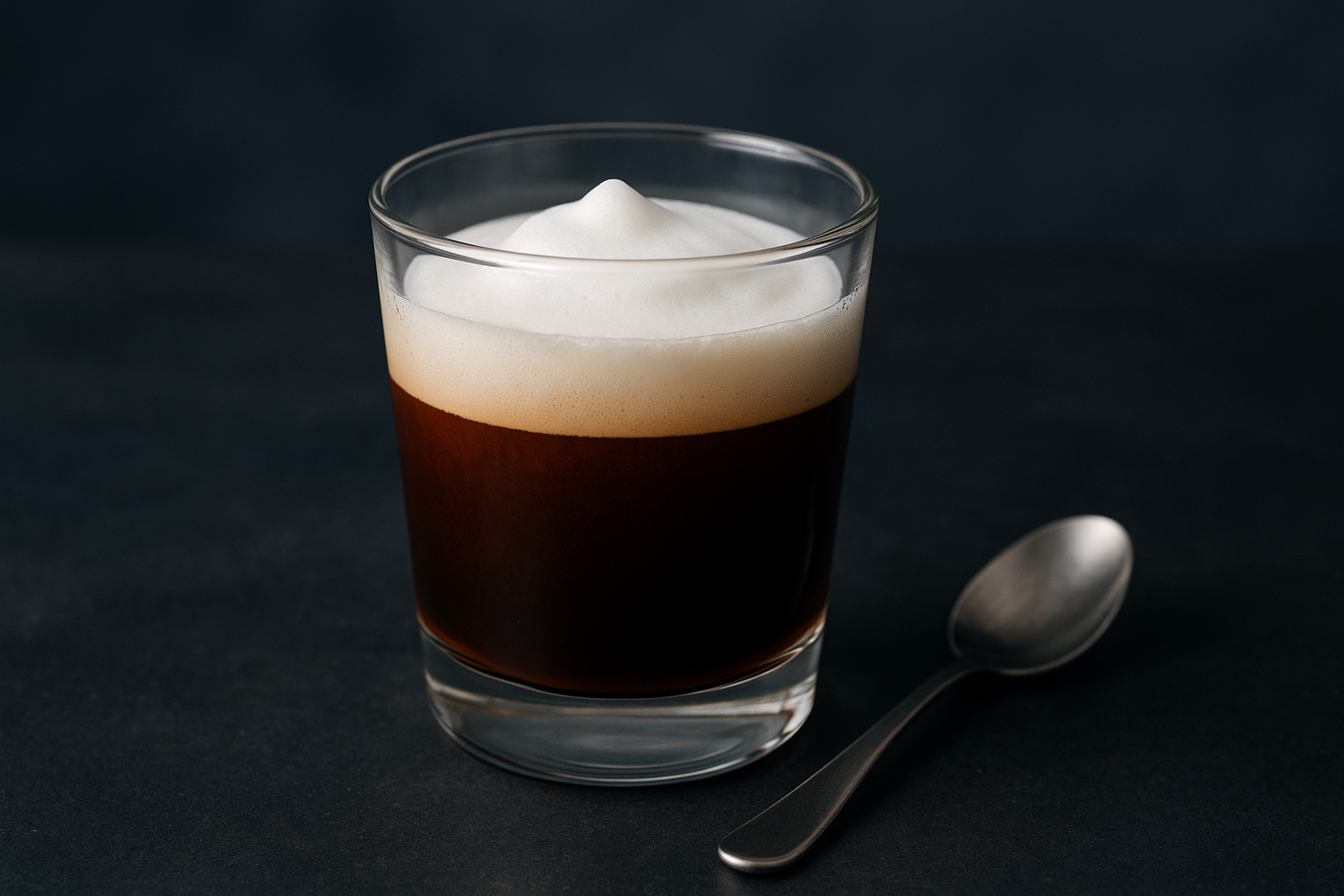
A macchiato is the right choice if you want espresso to remain the center of the experience, with milk playing a supporting role only.
Unlike the silky microfoam that tops a latte, the foam used in a macchiato is thick and dry, sitting in a small dollop rather than blending through the drink. You taste the espresso first, second, and last. If you want maximum coffee intensity with the bare minimum of milk interference, a macchiato is your drink.
How to choose and order with confidence
When you break down the latte vs cappuccino vs macchiato comparison into ratios and foam textures, the right choice becomes straightforward. The key is knowing what you want to feel in the cup before you step up to order.
Match the drink to your taste
Your tolerance for espresso intensity is the fastest filter you can use. If you find straight coffee too sharp or bitter, a latte gives you the cushion of a high milk ratio without sacrificing the coffee flavor entirely. If you want a balanced drink that lets you taste the espresso and the milk without either one dominating, order a cappuccino.
If you drink your coffee black and just want a slight softening effect, a macchiato is exactly what you need.
Ask the right questions when you order
When you sit down or walk up to a bar, the barista needs just two pieces of information from you: how intense you want the coffee and how much milk you prefer. Saying "I want something creamy and mild" will reliably land you a latte. Saying "I want strong coffee with just a little milk" points straight to a macchiato.
A simple, direct ask saves time and gets you a better drink. You can also request an extra shot in a latte or cappuccino if you want more espresso presence without switching drinks entirely. Knowing those options puts you in control every time you order.
Final takeaways
The latte vs cappuccino vs macchiato comparison really comes down to one question: how much espresso intensity do you want in your cup? A latte wraps that intensity in generous steamed milk, keeping the drink smooth and easy to enjoy. A cappuccino balances espresso and foam in a smaller, more concentrated serving where both elements get equal weight. A macchiato strips everything back to near-pure espresso with just a small mark of milk to soften the sharpest edges without changing the character of the drink.
You now have the full picture, from ratios and foam textures to serving sizes and flavor profiles, to walk into any coffee bar and order with real confidence. Every detail you need to understand why these three drinks taste so different is right here. If you want to experience Italian coffee culture alongside authentic cuisine in Chicago, come visit us at La Dolce Vita Cucina in the Portage Park neighborhood.