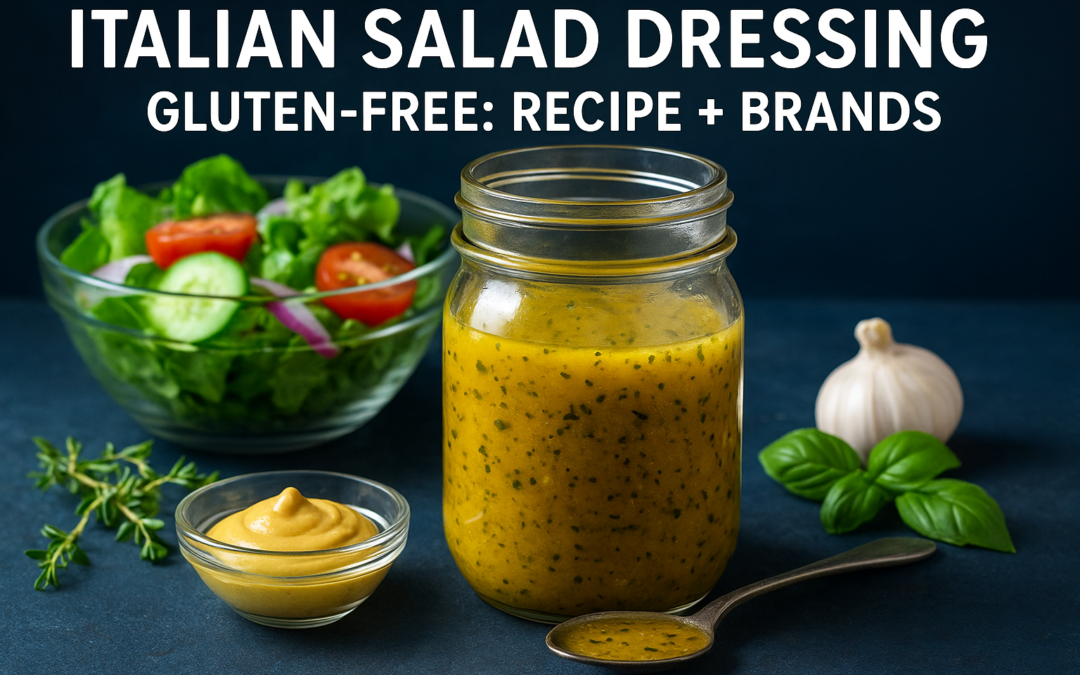
A good Italian dressing can make or break a salad, and if you’re avoiding gluten, you already know how tricky that simple bottle can get. Hidden thickeners, malt vinegar, and vague "natural flavors" turn a straightforward condiment into a label-reading exercise. The good news: Italian salad dressing gluten free options exist, both homemade and store-bought, and they’re easier to find than you might expect.
At La Dolce Vita Cucina, our kitchen in Chicago’s Portage Park neighborhood takes Italian flavors seriously, from homemade pasta to house-made gelato, and we know that great Italian food should be accessible to everyone at the table. That same philosophy applies here. Whether you have celiac disease, a gluten sensitivity, or you’re cooking for someone who does, you deserve a dressing that’s both safe and actually tastes like something you’d want on your plate.
This guide covers everything you need: a from-scratch gluten-free Italian dressing recipe you can whip up in under five minutes, a breakdown of which store-bought brands are safe, and the specific ingredients to watch out for on labels. By the end, you’ll have a reliable go-to dressing, no guesswork, no compromises on flavor.
What makes Italian dressing gluten-free
Italian dressing, at its core, is oil, vinegar, and herbs. That combination is naturally gluten-free, which means the traditional recipe doesn’t require any modification to be safe. The problem shows up when manufacturers add emulsifiers, thickeners, or flavor enhancers to extend shelf life or improve texture. Those additives are where gluten sneaks in, and they don’t always appear under obvious names on the label.
The core components
Classic Italian dressing relies on a short ingredient list: an acid like vinegar or lemon juice, a fat like olive oil, and a blend of dried or fresh herbs. Garlic, oregano, basil, onion powder, and red pepper flakes are all naturally gluten-free, and none of them carry cross-contamination risk on their own. When you make an italian salad dressing gluten free version at home, you’re essentially assembling ingredients that were safe to begin with.
The ratios matter too. A standard formula uses 3 parts oil to 1 part acid, though you can adjust based on how tangy or mellow you want the result. Some recipes add a small amount of Dijon mustard as an emulsifier, which works as long as the mustard you choose is certified gluten-free. Most whole-grain or specialty mustards contain malt vinegar or wheat, so check that label before adding it to the bowl.
Where gluten hides
Store-bought dressings often include ingredients that sound benign but carry real gluten risk. Modified food starch is one of the most common culprits; it can come from wheat, corn, potato, or tapioca, and the label won’t always clarify which source was used. Malt vinegar is another ingredient to avoid entirely, since it’s derived from barley and is not safe for people with celiac disease or significant gluten sensitivity.
If the label says "vinegar" without specifying the type, contact the manufacturer directly before assuming it’s safe.
Other ingredients that sometimes signal a problem include hydrolyzed wheat protein, certain "natural flavors" that use wheat as a carrier, and textured vegetable protein. None of these belong in a simple Italian dressing, but they appear more often than you’d expect in bottled versions on grocery store shelves.
Reading the label the right way
When you’re evaluating a bottle, look past the front-of-package claims and go straight to the ingredient list and allergen statement. A label that says "gluten-free" on the front should also carry a certification mark from a recognized body, or be backed by an FDA-compliant claim, which requires the product to contain fewer than 20 parts per million of gluten.
Here’s a quick reference for what to look for and what to skip:
| Safe ingredients | Ingredients to avoid |
|---|---|
| Distilled white vinegar | Malt vinegar |
| Red wine vinegar | Hydrolyzed wheat protein |
| Apple cider vinegar | Modified food starch (source unspecified) |
| Olive oil, avocado oil | Natural flavors (wheat-based carrier) |
| Dried herbs and spices | Soy sauce (unless labeled gluten-free) |
Knowing these distinctions makes shopping far more straightforward, and it also explains why a homemade version built from personally verified ingredients often gives you more confidence than a certified store-bought bottle ever can.
Step 1. Choose safe ingredients
Building a solid italian salad dressing gluten free recipe starts before you open a jar or pick up a whisk. Every ingredient you add should be individually verified as safe, because gluten can hide in places you wouldn’t expect, including spice blends, specialty vinegars, and condiments you’ve used for years. Spending two minutes checking labels at the store prevents a lot of frustration later, and it gives you full confidence in the finished dressing.
Pick the right oil
Extra-virgin olive oil is the traditional base for Italian dressing and carries no gluten risk on its own. If you prefer a more neutral flavor that lets the herbs come forward, avocado oil is a reliable substitute. Avoid any flavored or infused oils unless the label explicitly confirms no wheat-based additives; some herb-infused products share production equipment with allergen-containing items, which creates cross-contamination risk even when the base ingredient is safe.
Choose a safe acid
Your acid choice shapes the flavor more than almost anything else in the recipe. Red wine vinegar is the most traditional option and is naturally gluten-free, while distilled white vinegar works well if you want something cleaner and more neutral. Apple cider vinegar adds a mild, slightly fruity note that works in a pinch. Stay away from malt vinegar entirely, since it comes from barley and is not safe for anyone managing celiac disease or significant gluten sensitivity.
Red wine vinegar gives you the most authentic Italian flavor in this dressing, and it’s a safe choice across virtually all established brands.
Select your herbs and seasonings
Dried herbs are naturally gluten-free on their own, but bulk bin spices and pre-mixed seasoning packets can come from facilities that also process wheat. Buy single-ingredient spice jars from recognizable brands, and prioritize dedicated gluten-free facility labeling when you can find it. For a standard Italian dressing, you need dried oregano, basil, garlic powder, onion powder, kosher salt, black pepper, and a pinch of red pepper flakes.
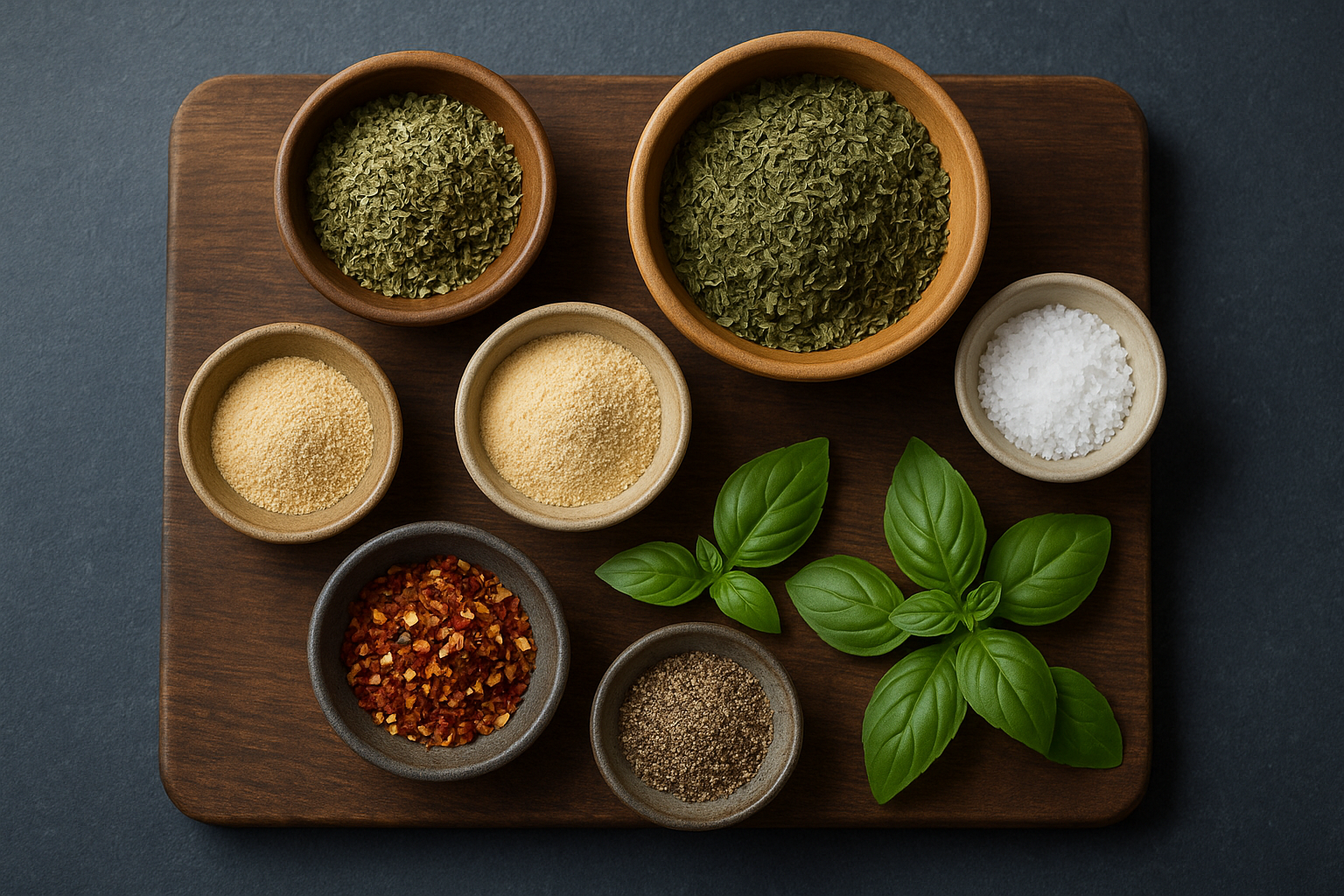
Use this checklist before you start mixing:
- Extra-virgin olive oil or avocado oil
- Red wine vinegar or distilled white vinegar
- Certified gluten-free Dijon mustard (optional, for emulsification)
- Dried oregano, basil, garlic powder, and onion powder
- Red pepper flakes, kosher salt, and black pepper
Step 2. Make a classic gluten-free Italian dressing
Once your ingredients are verified, the actual mixing takes less than five minutes. This italian salad dressing gluten free recipe uses a simple ratio you can scale up or down depending on how much dressing you need. The base formula makes about ¾ cup, which is enough for four to six servings of salad without any waste.
The base recipe
Combine all your ingredients in a glass jar with a tight-fitting lid, which makes mixing effortless and doubles as a storage container. A jar keeps the emulsion more stable than a bowl and whisk setup, and it means you have one fewer dish to clean. Measure carefully the first time you make this recipe, then adjust in later batches once you know your preferences.
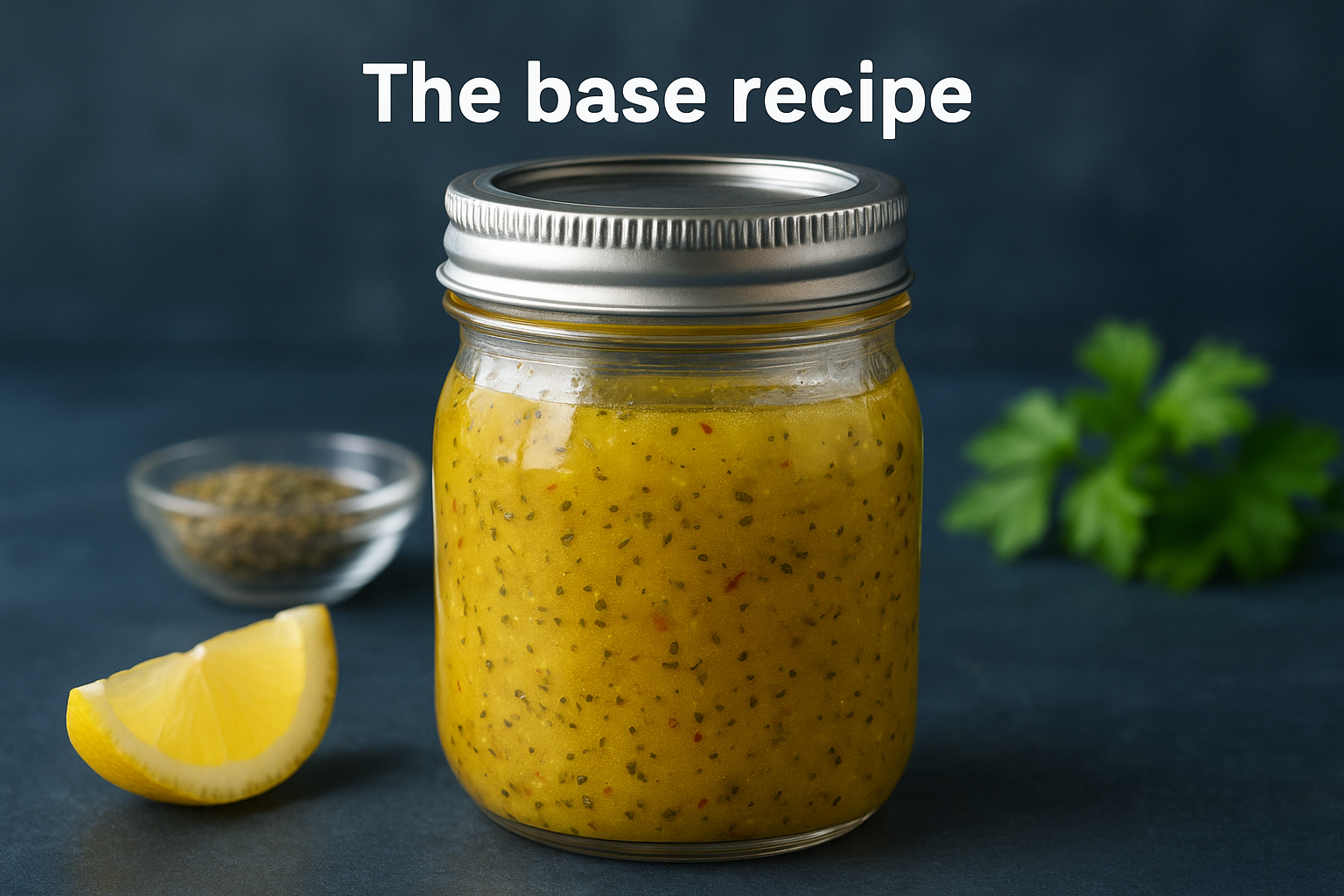
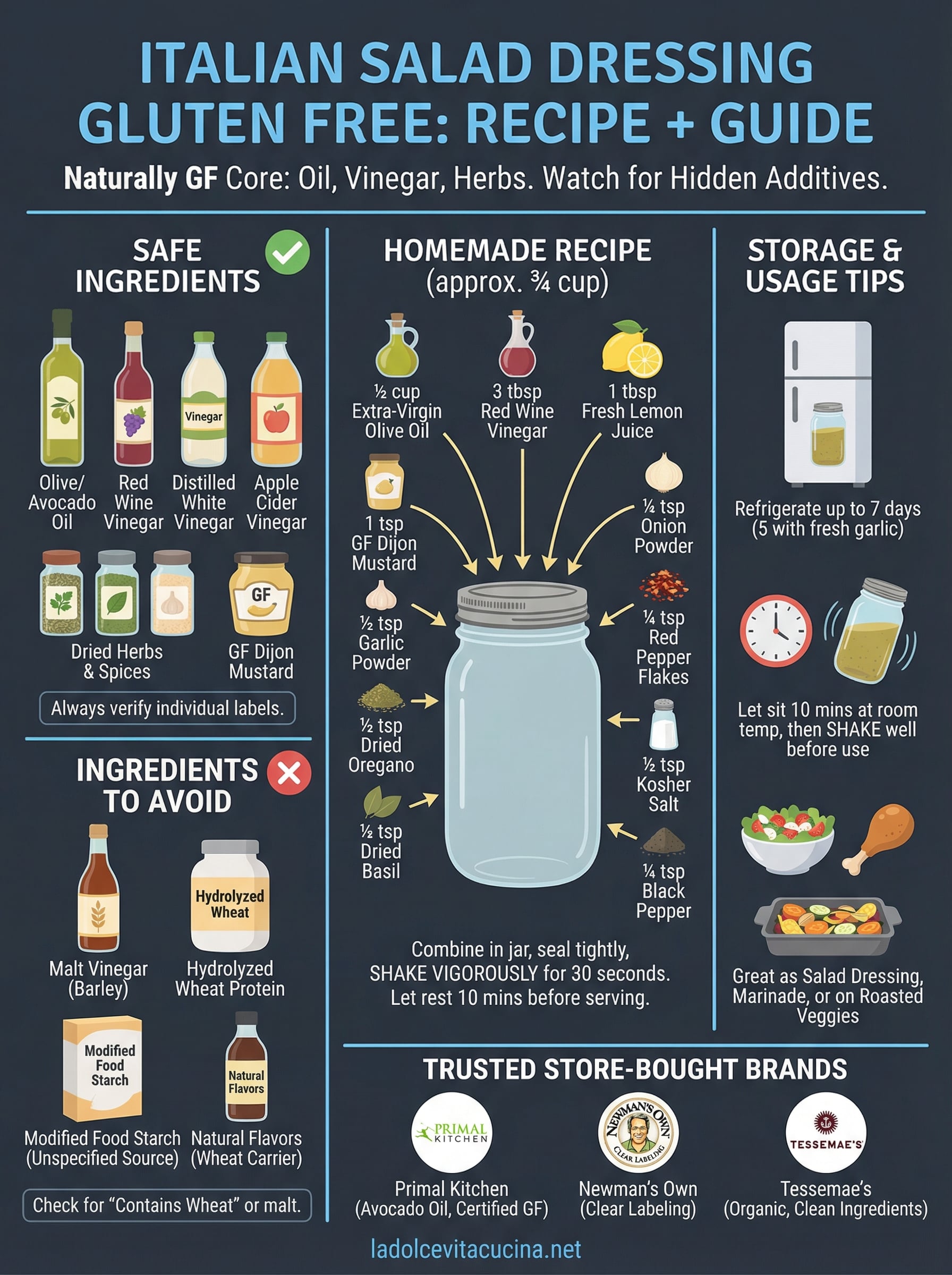
Gluten-Free Italian Dressing Recipe (makes about ¾ cup):
| Ingredient | Amount |
|---|---|
| Extra-virgin olive oil | ½ cup |
| Red wine vinegar | 3 tablespoons |
| Fresh lemon juice | 1 tablespoon |
| Certified gluten-free Dijon mustard | 1 teaspoon |
| Garlic powder | ½ teaspoon |
| Dried oregano | ½ teaspoon |
| Dried basil | ½ teaspoon |
| Onion powder | ¼ teaspoon |
| Red pepper flakes | ¼ teaspoon |
| Kosher salt | ½ teaspoon |
| Black pepper | ¼ teaspoon |
The Dijon mustard acts as a natural emulsifier, binding the oil and vinegar together without requiring any gluten-containing additives or thickeners.
Mixing technique
Add all ingredients to your jar, seal the lid tightly, and shake vigorously for about 30 seconds. The mustard holds the oil and acid together so the dressing stays cohesive long enough to coat a salad evenly. For a smoother, more stable result, use a small blender or immersion blender, which produces a creamier texture that stays blended for several hours instead of separating within minutes.
After mixing, let the jar sit at room temperature for at least 10 minutes before you dress anything. That short rest allows the dried herbs to rehydrate and release their full flavor into the oil, and the difference in taste between a freshly shaken dressing and one that has rested is noticeable every time.
Step 3. Adjust flavor and texture
The base recipe gives you a solid starting point, but your personal taste preferences should drive every batch after the first. Once you’ve made it once, you have a clear reference point to work from, and small adjustments from there take almost no effort. Adjusting your italian salad dressing gluten free recipe is where you take ownership of the final result.
Make it tangier or milder
Vinegar is the easiest lever to pull when the dressing tastes flat or sharp. If the flavor feels too acidic, reduce the vinegar by a teaspoon and add a small pinch of sugar or a half teaspoon of honey to balance it. Both options are naturally gluten-free and dissolve quickly into the oil base when you shake the jar. If the dressing tastes too flat, add another half tablespoon of red wine vinegar and a small squeeze of fresh lemon juice before shaking again.
A tiny amount of sweetener rounds out sharp acidity without making the dressing taste sweet.
Fresh garlic delivers a bolder, more pungent flavor than garlic powder. If you want more depth in the herb profile, swap the powder for one small clove of finely minced garlic. Keep in mind that fresh garlic intensifies as the dressing sits, so use it sparingly the first time and scale up in future batches once you know how strong you want it.
Get a thicker texture without gluten
Some store-bought dressings use modified food starch or gums to create a thick, creamy consistency. You can get a similar result at home without any of those additives. A small amount of certified gluten-free Dijon mustard beyond what the base recipe calls for thickens the emulsion noticeably. Adding a teaspoon of tahini or a tiny piece of roasted red pepper blended into the dressing also builds body without introducing any gluten risk.
Use this guide to troubleshoot specific texture and flavor issues in your dressing:
| Problem | Adjustment |
|---|---|
| Too thin and watery | Add an extra teaspoon of Dijon mustard |
| Too sharp | Add a half teaspoon of honey |
| Too mild | Increase red wine vinegar by one teaspoon |
| Too oily | Reduce oil by one tablespoon and add lemon juice |
| Herbs not pronounced enough | Let the jar rest 20 minutes before serving |
Step 4. Store it safely and use it all week
Homemade italian salad dressing gluten free recipes have a real advantage over store-bought versions: you control exactly what goes in the jar, which means no artificial preservatives and a clear expiration timeline based on your freshest ingredient. Proper storage keeps both flavor and food safety intact, so a batch you mix on Sunday can still taste great by Friday without any decline in quality.
Keep it refrigerated in the right container
Glass jars with airtight lids are the best storage option for homemade Italian dressing. Glass doesn’t absorb odors or react with acidic ingredients the way some plastics can, and a tight seal prevents the dressing from picking up off-flavors from other items in your refrigerator. A Mason jar or recycled jam jar works perfectly and costs nothing extra if you already have one in your kitchen.
Keep your dressing toward the back of the refrigerator rather than the door, where temperature fluctuations are more frequent and can cause the oil to break down faster.
Your dressing will last up to seven days in the refrigerator. If you used fresh garlic instead of garlic powder, plan to finish the batch within five days, since fresh garlic breaks down more quickly and can push the flavor toward bitter past that point.
Bring it to room temperature before serving
Cold olive oil solidifies in the refrigerator, which means your dressing will look thick or cloudy when you pull it out. This is completely normal and does not affect the safety or flavor of the dressing at all. Let the jar sit on the counter for 10 minutes before you shake and use it, and the oil will loosen back to its pourable consistency without any heating required.
Shake the jar firmly for 20 to 30 seconds right before you dress a salad, since oil and vinegar always separate during storage. This quick shake brings everything back together and gives you an evenly blended dressing every single time without any extra effort.
Use this quick storage reference to keep your batch on track:
| Factor | Detail |
|---|---|
| Container | Glass jar with airtight lid |
| Location | Back of the refrigerator |
| Shelf life (garlic powder) | Up to 7 days |
| Shelf life (fresh garlic) | Up to 5 days |
| Before serving | Rest at room temperature for 10 minutes, then shake |
Step 5. Use it beyond salads
Your italian salad dressing gluten free recipe earns its place far beyond a bowl of greens. The same combination of olive oil, red wine vinegar, and Italian herbs that works on romaine also works as a flavor shortcut for a wide range of dishes, and having a jar ready in the refrigerator makes weeknight cooking noticeably faster and more interesting.
Use it as a marinade
Chicken, shrimp, and pork tenderloin all absorb Italian dressing exceptionally well. Pour about three tablespoons of dressing directly over your protein, cover, and let it sit in the refrigerator for at least 30 minutes before grilling, roasting, or sautéing. The acid in the vinegar tenderizes the meat while the herbs work into the surface, and the oil prevents sticking on the grill without requiring a separate cooking spray.
Marinating chicken thighs in this dressing overnight and grilling them the next day produces one of the most reliable weeknight dinners you can make with almost no preparation time.
Drizzle it on roasted vegetables
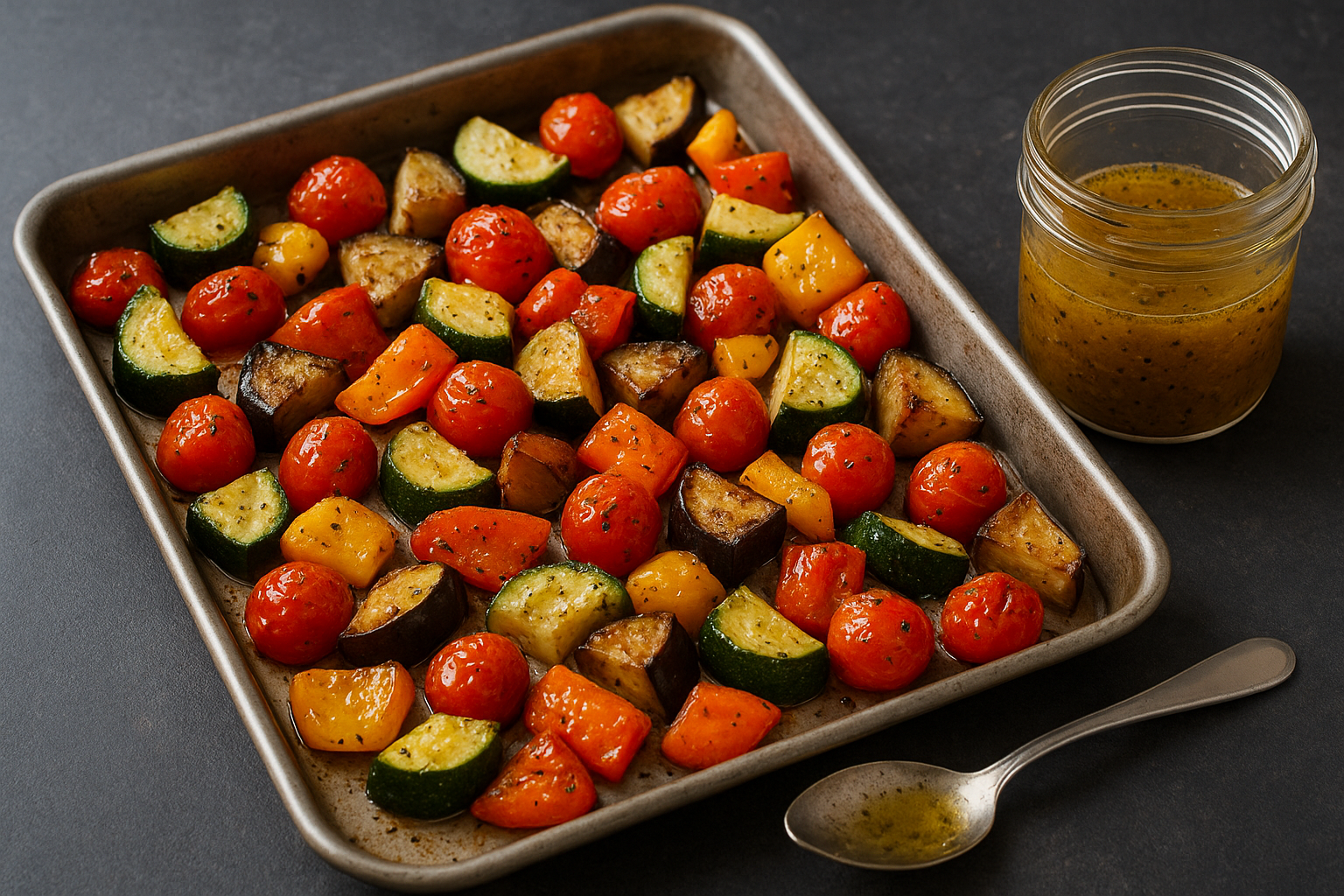
Zucchini, bell peppers, cherry tomatoes, and eggplant all take on deeper flavor when you toss them in a few tablespoons of dressing before roasting. Use roughly two tablespoons per pound of vegetables, spread them in a single layer on a sheet pan, and roast at 425°F for 20 to 25 minutes. The dressing coats every piece evenly and the herbs develop a slightly caramelized edge around the cut sides of the vegetables.
Stir it into grain bowls and spreads
Cooked gluten-free grains like quinoa, millet, or certified gluten-free oats absorb dressing well when they’re still warm. Add two tablespoons of dressing to one cup of freshly cooked grain, stir, and let it cool before building a bowl with whatever proteins and vegetables you have on hand. You can also stir a tablespoon into plain hummus or white bean dip to add brightness and an Italian herb profile without opening five separate spice jars.
Store-bought gluten-free Italian dressings
Making your own dressing gives you complete control, but a reliable bottled option is worth knowing for nights when you need something fast. Several brands produce an italian salad dressing gluten free version that holds up on flavor without relying on wheat-based thickeners or malt vinegar. The key is knowing which brands have done the work to verify their formulas and which ones simply happen to omit gluten without any certification to back that up.
Brands worth buying
Primal Kitchen Italian Dressing is one of the most consistently certified options available, made with avocado oil and verified gluten-free to FDA standards. Newman’s Own Italian Dressing is widely available at major grocery chains and carries a gluten-free label backed by a clear allergen statement on the bottle. Tessemae’s Organic Italian is another solid choice, particularly if you prefer a cleaner ingredient list with no artificial flavors or preservatives.
Always check the current label before buying, since manufacturers update formulas without announcement, and a product that was safe six months ago may have changed.
Use this table as a quick starting reference when you’re shopping:
| Brand | Key feature | Availability |
|---|---|---|
| Primal Kitchen Italian | Avocado oil base, certified gluten-free | Most major grocery stores |
| Newman’s Own Italian | Widely accessible, clear allergen labeling | Nationwide |
| Tessemae’s Organic Italian | Clean ingredient list, no artificial flavors | Natural grocery stores |
| Wish-Bone Robusto Italian | Budget-friendly, gluten-free labeled | Most supermarkets |
What to check before you buy
Certification from a recognized third-party organization is the clearest signal that a brand has tested its product and confirmed it meets the under-20-parts-per-million threshold set by the FDA. Look for logos from organizations like the Gluten-Free Certification Organization (GFCO) on the label, which requires independent testing rather than just a manufacturer’s claim. If a bottle says "gluten-free" without a certification mark, scan the ingredient list yourself for malt vinegar, modified food starch with no source listed, or hydrolyzed wheat protein before adding it to your cart.
Shared production facilities are worth checking too. Some brands manufacture gluten-free dressings on the same lines as products that contain wheat, and the label will note this under the allergen statement. If you have celiac disease rather than a mild sensitivity, that cross-contamination warning is a reason to choose a different brand, regardless of how clean the ingredient list looks on its own.
Quick wrap-up
Making an italian salad dressing gluten free recipe from scratch takes less than five minutes and gives you complete control over every ingredient, from the vinegar you choose to the herbs you add. The base formula of olive oil, red wine vinegar, and dried Italian herbs is naturally safe, and small adjustments in acidity, sweetness, or texture let you dial in the flavor over time.
When you need a bottled option, brands like Primal Kitchen, Newman’s Own, and Tessemae’s deliver solid results with clear gluten-free labeling you can verify before buying. Either way, the same Italian approach applies: quality ingredients handled with care produce something worth coming back to all week, whether you’re dressing a salad, marinating chicken, or finishing a grain bowl.
Ready for more Italian inspiration beyond the dressing jar? Visit La Dolce Vita Cucina in Chicago’s Portage Park neighborhood, where we bring that same commitment to quality ingredients directly to your table.