
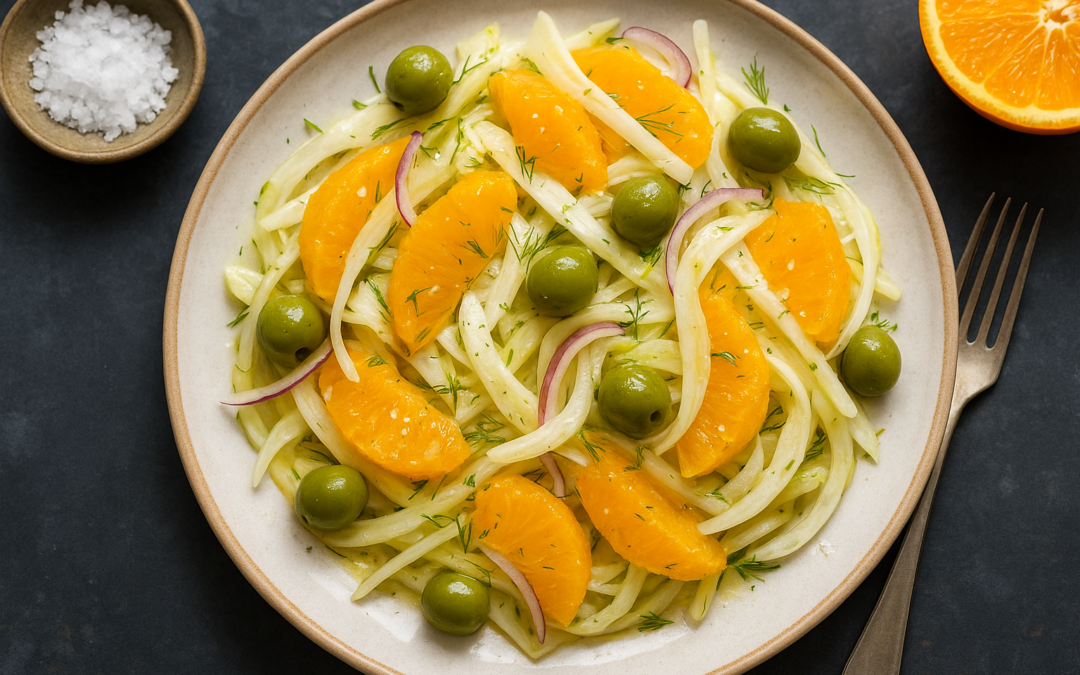
If you’ve ever eaten your way through Sicily, you know that some of the best dishes there are the simplest ones. A fennel orange salad recipe is a perfect example, crisp, aromatic fennel paired with juicy citrus segments, dressed in nothing more than good olive oil and a pinch of salt. It’s the kind of dish that feels effortless but hits every note: sweet, bitter, peppery, and bright.
At La Dolce Vita Cucina, our kitchen in Chicago’s Portage Park neighborhood draws heavily from these Italian traditions, the ones where quality ingredients do most of the talking. This salad, rooted in Southern Italian cooking, is one we genuinely love. It shows up alongside our house-made pastas and seafood because it balances richness the way only raw vegetables and fresh citrus can.
Below, you’ll find our full recipe with step-by-step instructions, tips on picking the right fennel, and a handful of variations, including a classic Sicilian-style version with olives and red onion. Whether you’re building a multi-course Italian dinner at home or just need a fast, no-cook side dish for a weeknight meal, this salad belongs in your rotation.
What you need and how to pick ingredients
This fennel orange salad recipe keeps the ingredient list short on purpose. Fresh, high-quality produce carries the dish, so what you buy matters more than how many steps you follow. Plan for about four servings and adjust from there.
The ingredient list
Before you start slicing anything, pull together everything you need:
- 2 medium fennel bulbs (fronds reserved)
- 3 navel oranges or blood oranges (or a mix of both)
- 1/2 small red onion, very thinly sliced
- 3 tablespoons extra-virgin olive oil
- 1 tablespoon fresh lemon juice
- Flaky sea salt and freshly cracked black pepper
- Optional additions: Castelvetrano olives, toasted pistachios, or fresh mint leaves
Save the fennel fronds after you trim the stalks. They work as a garnish and deliver a second layer of anise flavor without adding any extra ingredient to your list.
How to pick fennel
At the store, look for bulbs that feel firm and heavy when you hold them. Avoid anything with brown spots, soft patches, wilted stalks, or fronds that have yellowed. Smaller bulbs are usually sweeter and more tender, while larger ones can develop a woody, bitter core that throws the whole salad out of balance.
The fennel should smell like anise the moment you pick it up. No scent at all means it’s past its prime.
Store fennel with the stalks still attached to keep it fresh longer. Wrap the bulb loosely in a damp paper towel, seal it in a bag, and keep it in the crisper drawer. Use it within three to four days for the best texture.
How to pick oranges
Your orange variety shapes the entire salad. Navel oranges give you reliable sweetness and segment cleanly with minimal mess. Blood oranges bring a deeper, slightly tart flavor and a rich red color that contrasts beautifully against pale fennel. Cara Cara oranges sit in between, offering pink flesh and a mild berry undertone.
Regardless of variety, pick fruit that feels heavy for its size – that weight signals a juice-filled orange. The skin should be taut and bright, with no soft spots or shriveling on the surface. Grab one extra orange in case a few segments tear during prep.
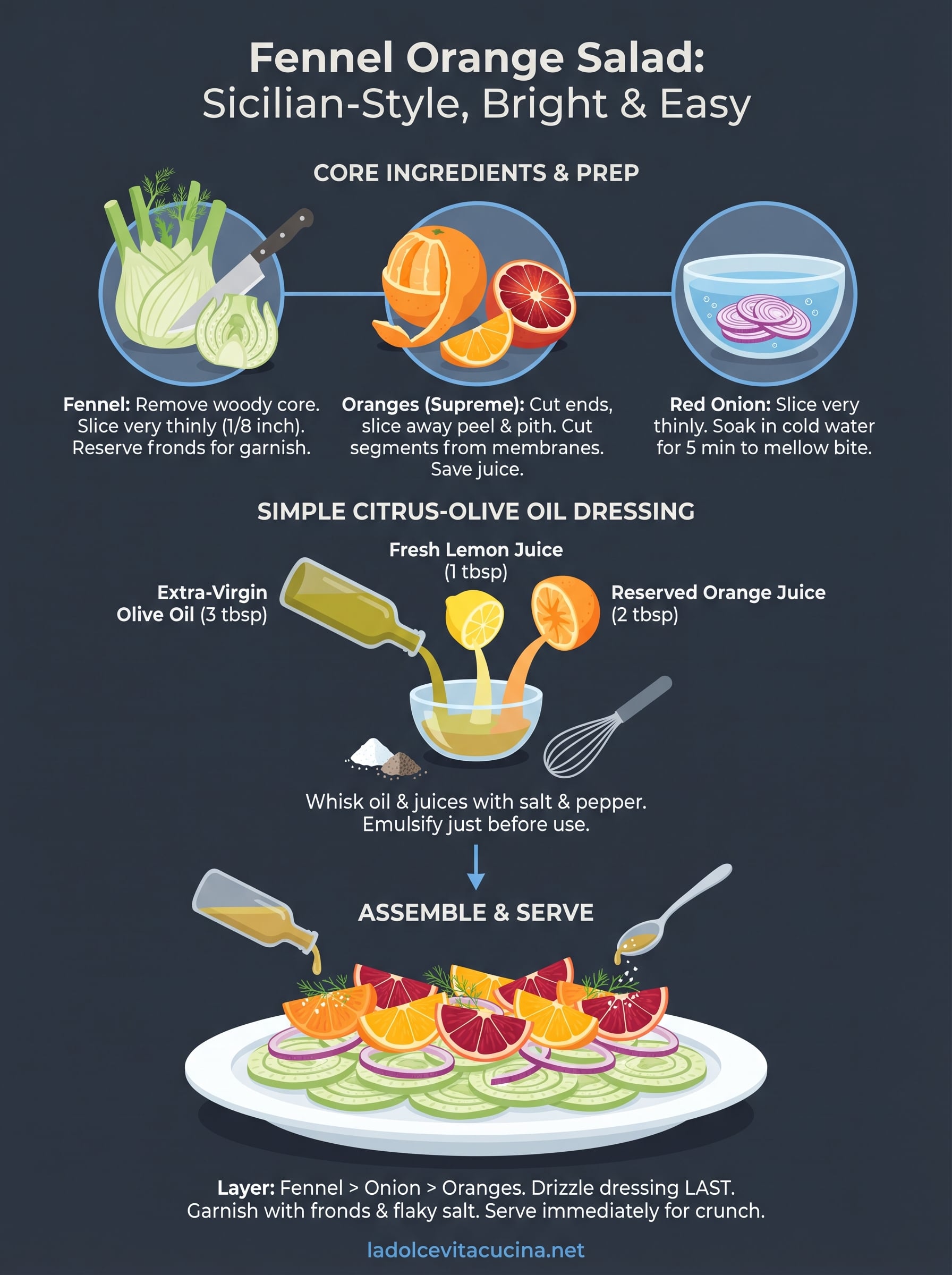
Step 1. Prep fennel, oranges, and onion
Good prep work sets this fennel orange salad recipe up for success. Your goal is consistent, thin slices of fennel, clean orange segments with no bitter pith, and onion that’s tamed enough to complement rather than dominate. Work through each component carefully before you move to the next step.
How to slice the fennel
Cut the stalks off each fennel bulb and set the fronds aside for garnish. Remove the tough, woody core from the base of each half before you start slicing – it won’t soften in the finished salad and will work against the texture. Use a sharp chef’s knife or mandoline to cut each half into slices roughly 1/8 inch thick.
- Cut stalks off and reserve the fronds
- Halve each bulb from root to tip
- Remove the woody core from each half
- Slice to about 1/8 inch thickness
Thinner slices absorb the dressing far better – aim for pieces you can nearly see through.
How to supreme the oranges
Supreming removes all the white pith and membrane so each segment is clean and pure. This step gives you neat citrus pieces that hold their shape instead of falling apart on the plate.
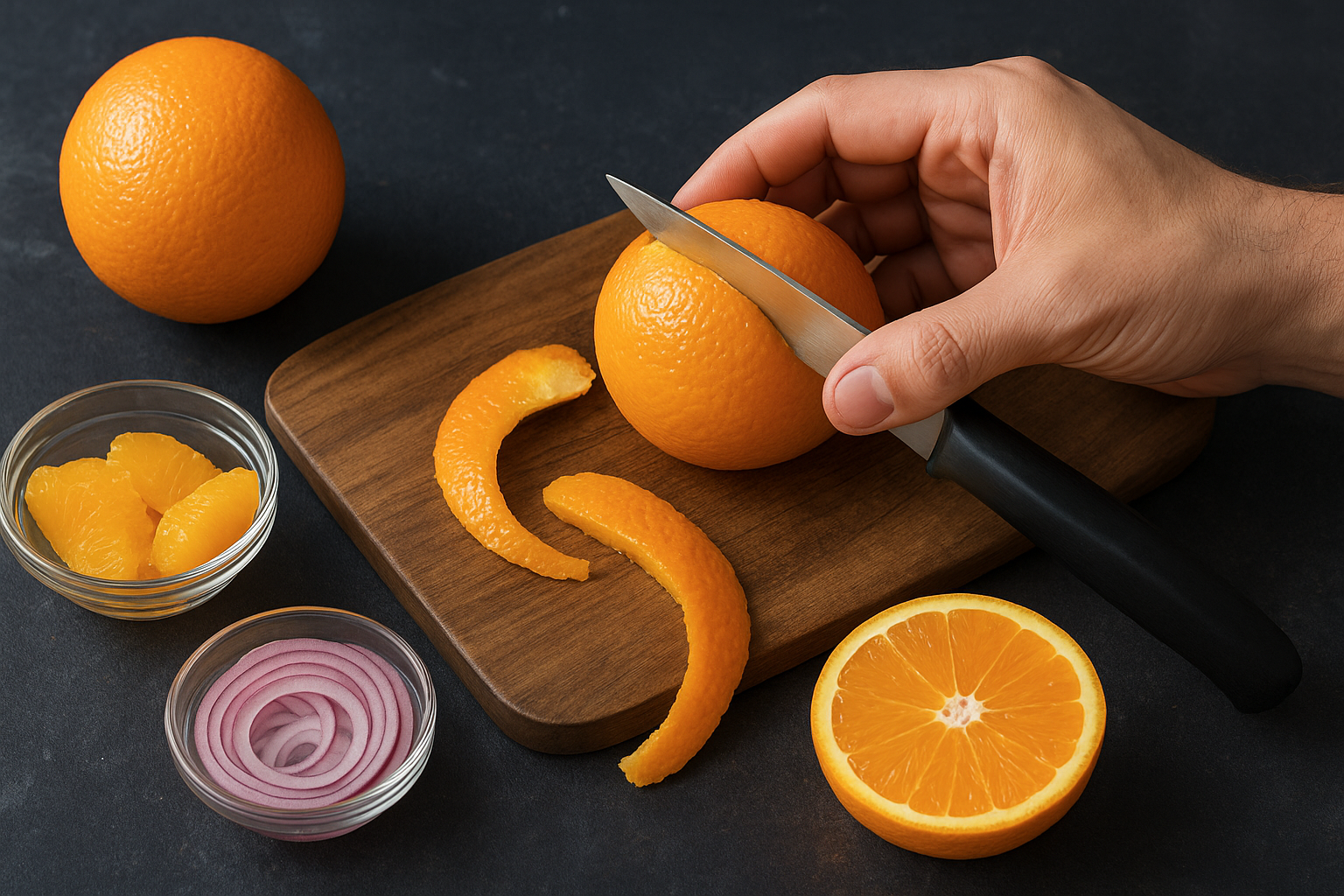
- Cut the top and bottom off each orange
- Stand the orange upright and slice away the peel in long downward strokes
- Hold it over a bowl and cut along each membrane to release the segments
- Squeeze the leftover core into the bowl and save that juice for the dressing
How to prep the red onion
Slice the red onion as thinly as possible, then soak it in cold water for five minutes. Soaking pulls out the sharpest bite and leaves you with mild, crisp rings that add color without overwhelming the fennel or citrus.
Step 2. Make a simple citrus-olive oil dressing
The dressing for this fennel orange salad recipe takes about two minutes to pull together. You don’t need a blender or any special equipment. Just grab a small bowl and a fork, along with the orange juice you reserved from supreming in the previous step.
The dressing formula
This simple four-ingredient mixture comes together in under two minutes. Add everything to a small bowl and stir with a fork until the oil and citrus juice form a cohesive, pourable dressing.
- 3 tablespoons extra-virgin olive oil
- 1 tablespoon fresh lemon juice
- 2 tablespoons reserved orange juice (from supreming)
- Pinch of flaky sea salt and a few cracks of black pepper
Extra-virgin olive oil is non-negotiable here. A grassy, fruity oil from Italy or Sicily works directly with the fennel’s anise notes and lets the citrus carry without competing.
Taste the dressing on its own before it hits the salad. It should taste slightly more acidic than you expect, because the fennel and onion will mellow it once dressed.
How to balance the flavors
Your goal is a dressing that leans bright and slightly tart, not oily or flat. If the lemon juice you used is particularly sharp, pull back by a quarter teaspoon and let the reserved orange juice carry more of the acid load. Adjust salt last, after you taste the full balance.
Adding a small pinch of red pepper flakes is an optional step that brings subtle heat and cuts through the natural sweetness of the oranges without overwhelming the salad.
Step 3. Assemble, season, and serve it right
With your fennel sliced, oranges supremed, and dressing ready, putting this fennel orange salad recipe together takes under five minutes. The order in which you layer the components and how you season at the end both affect the final result more than you might expect.
How to layer the salad
Spread the fennel slices across a wide, flat serving plate rather than piling everything into a deep bowl. A shallow plate keeps each component visible and stops the orange segments from getting crushed under the weight of the fennel. Scatter the onion rings next, then arrange the orange segments across the top.
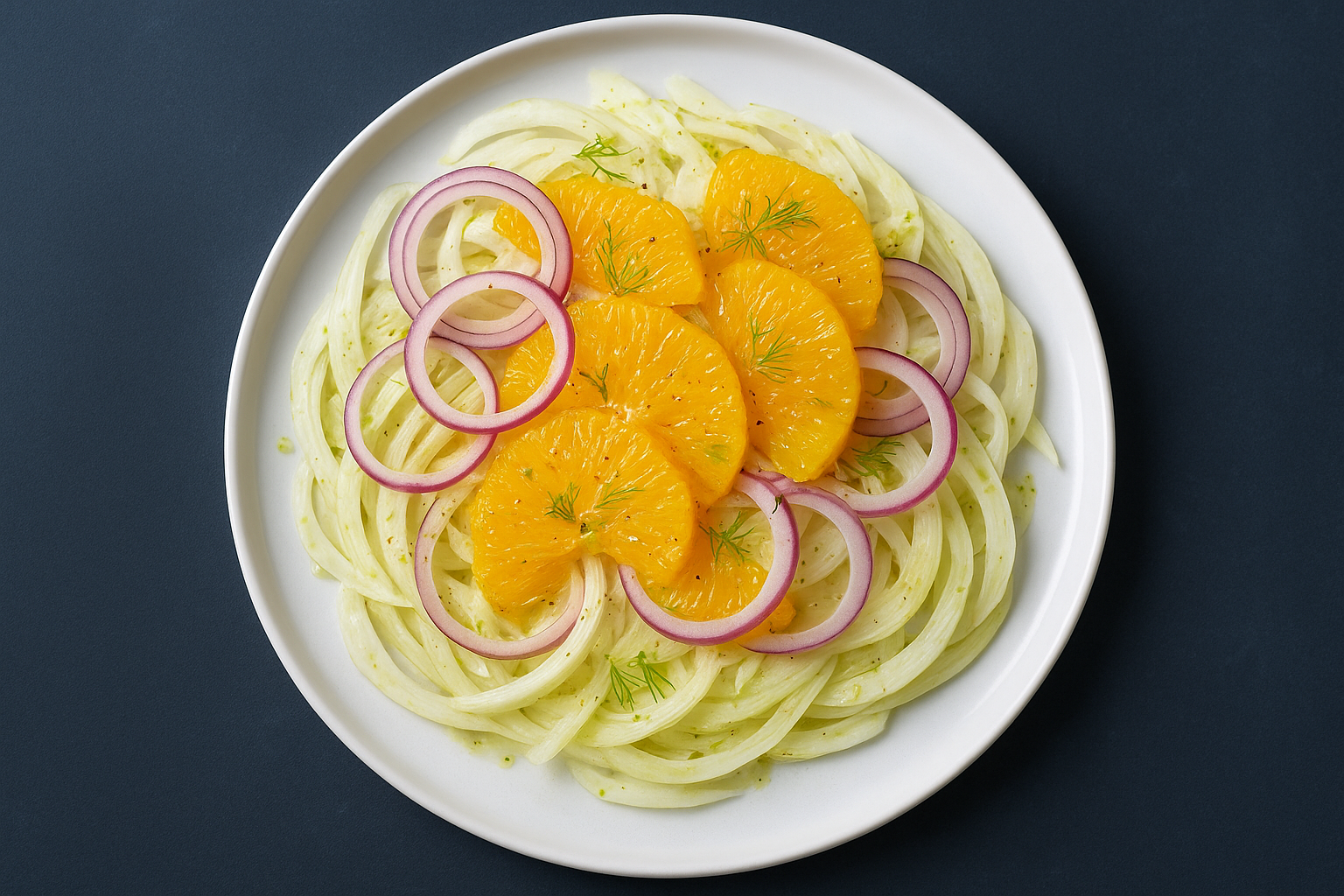
- Lay fennel slices flat across the plate first
- Add the drained red onion rings over the fennel
- Place the orange segments across the top
- Drizzle the dressing evenly from above
- Add optional olives, pistachios, or mint last
Season and finish at the table
Drizzle the dressing slowly so it coats the fennel and citrus evenly without pooling at the bottom of the plate. Finish with flaky sea salt and cracked black pepper directly on top of the assembled salad rather than stirring them into the dressing beforehand. Salt added at the end lands on the surface where your palate picks it up first.
Never toss this salad aggressively. Gentle handling keeps the orange segments intact and prevents the fennel slices from wilting before they reach the table.
Scatter the reserved fennel fronds over the plate as a final garnish and serve immediately. This salad loses its crunch quickly once dressed, so bring it out right away rather than letting it sit.
Variations, make-ahead, and serving ideas
This fennel orange salad recipe is flexible enough to shift based on what you have on hand or what you’re pairing it with. A few targeted swaps let you take it from a light starter to a more substantial side without rebuilding the dish from scratch.
Sicilian-style and flavor variations
The classic Sicilian version adds Castelvetrano olives and thinly sliced red onion, which are already in the base recipe. To push it further in that direction, add a few anchovy fillets draped across the top and swap the lemon juice in the dressing for a splash of red wine vinegar. Other variations worth trying:
- Add crunch: Scatter toasted pistachios or slivered almonds over the plate before serving
- Add herbs: Fresh mint or flat-leaf parsley both work well against the citrus
- Swap the citrus: Grapefruit segments bring more bitterness; Cara Cara oranges add a sweeter, milder note
- Add heat: A pinch of Calabrian chili flakes gives the salad a Southern Italian edge
Make-ahead and serving ideas
You can prep every component up to four hours ahead and keep them stored separately in the refrigerator. Slice the fennel and store it in cold water to prevent browning, keep the orange segments in a sealed container, and mix the dressing in a small jar. Assemble the plate only when you’re ready to serve so the fennel stays crisp.
This salad pairs especially well alongside rich, butter-finished pasta or a piece of pan-seared fish.
Final tips before you dig in
A few quick reminders before you serve. Dress the salad at the last possible moment and keep your hands light when you arrange the components on the plate. The fennel wilts fast once salt and acid hit it, so timing matters more here than in most recipes.
This fennel orange salad recipe rewards good ingredients above everything else. Spend an extra minute at the market choosing firm fennel and heavy oranges, and the rest practically takes care of itself. If you want to experiment, add a squeeze of fresh Meyer lemon right before serving for a softer, floral citrus note.
Ready to experience Italian cooking done right without doing any of the work yourself? La Dolce Vita Cucina in Chicago’s Portage Park serves dishes built on exactly these kinds of ingredients, from homemade pasta to fresh seafood, all in a welcoming neighborhood setting worth a visit.