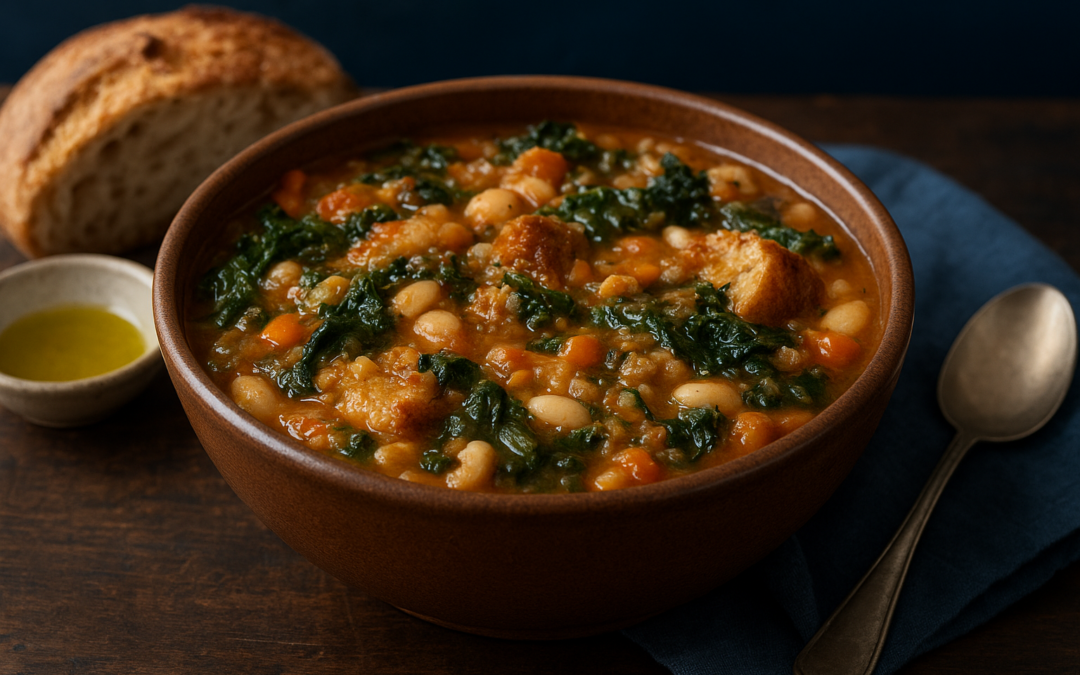
Some of Italy’s greatest dishes started as yesterday’s leftovers. Ribollita is proof of that. If you’ve ever wondered what is ribollita soup, the short answer is this: it’s a thick, hearty Tuscan stew built on white beans, dark leafy greens, vegetables, and day-old bread, all simmered together, then reheated (or "reboiled") the next day, which is exactly where it gets its name.
Born out of peasant kitchens in Florence and the surrounding countryside, ribollita turned stale bread and pantry scraps into something genuinely soul-warming. It’s the kind of dish that rewards patience over precision, and flavor over fuss. At La Dolce Vita Cucina in Chicago’s Portage Park neighborhood, this same philosophy drives our kitchen, we believe the most memorable Italian food comes from tradition, quality ingredients, and honest cooking.
This guide breaks down ribollita’s origins, its essential ingredients, and a step-by-step approach to making it at home. Whether you’re cooking it for the first time or refining a recipe you already love, you’ll walk away with everything you need to get this rustic Tuscan classic right, from the bean base to the final bread layer.
What is ribollita soup
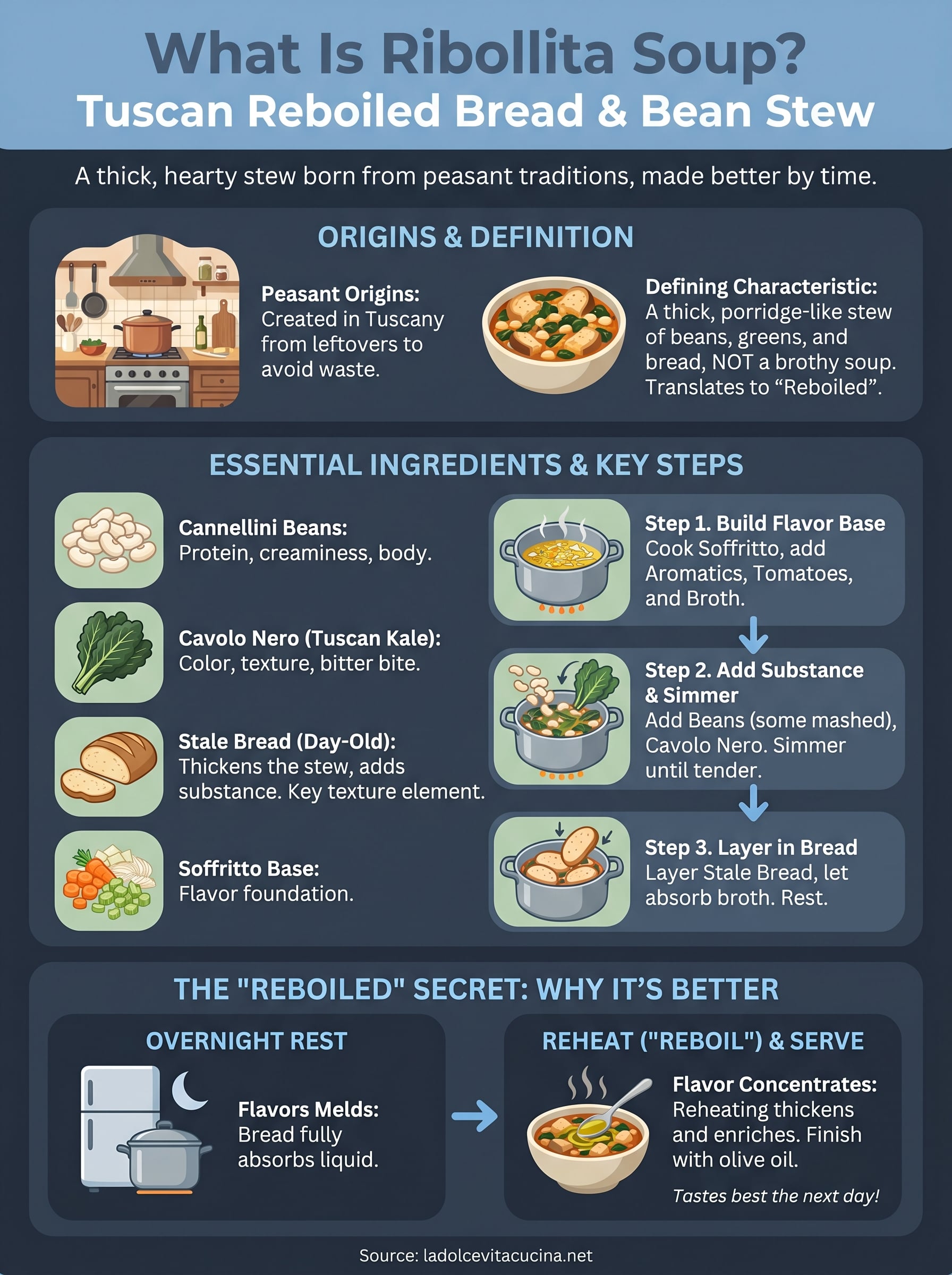
Ribollita is a thick, rustic Tuscan stew that falls somewhere between a soup and a casserole. When people ask what is ribollita soup, the most accurate answer is: it’s a bean-and-bread-based dish built from cannellini beans, dark greens like cavolo nero (Tuscan kale), carrots, celery, onion, tomatoes, and stale bread, all slow-cooked together until the bread dissolves into the broth and thickens the entire pot into something dense and deeply savory. This is not a light, brothy soup. It’s filling, rich, and intentionally substantial.
Ribollita translates literally to "reboiled," and the dish is designed to be made a day ahead, then reheated, which is when the flavor really develops.
What goes into ribollita
The ingredient list for ribollita is short and mostly pantry-based, which is a big part of its appeal. Cannellini beans form the protein and body of the dish, while cavolo nero (also called lacinato or dinosaur kale) adds the characteristic dark green color and a slightly bitter bite. Beyond those two anchors, you’ll typically work with:
- Carrots, celery, and onion (the classic Italian soffritto base)
- Canned or fresh tomatoes
- Garlic and olive oil
- Day-old Tuscan bread, or any firm, unseasoned bread
- Vegetable or chicken broth
- Fresh thyme, rosemary, or sage
Your bread choice matters more than you might expect. It goes directly into the pot and cooks down into the stew, which is what gives ribollita its signature thick, almost porridge-like consistency.
How ribollita differs from minestrone
People often confuse ribollita with minestrone, and the overlap is real. Both are Italian vegetable-based soups with long ingredient lists and regional variations. The key difference is the bread. Minestrone stays brothy, and you might serve it with bread on the side. Ribollita cooks the bread inside the pot, which fundamentally changes the texture and density of the final dish.
Another distinction is the reheating step. A standard minestrone is served fresh. Ribollita, by design, tastes better the next day, after it has been refrigerated overnight and then reboiled. That second cooking concentrates the flavors and thickens the stew even further, making each reheating a genuine improvement on the last.
Where ribollita comes from and why it is reboiled
Ribollita traces its roots to medieval Tuscany, specifically the areas around Florence and Siena. The dish didn’t start in restaurant kitchens. It started in the homes of poor farmers and laborers who needed to stretch every ingredient as far as possible. Leftover minestrone from the previous day would be reheated with stale bread added in, transforming a thin soup into a thicker, more filling meal. Over generations, this practical approach became its own distinct dish with its own identity.
From feudal tables to farmhouse kitchens
One story often connected to ribollita involves medieval Italian nobility who would have their leftover minestrone wrapped in old bread and sent home with servants after large feasts. Whether that account is fully accurate or partly legend, it points to the same truth: ribollita has always been a dish built on resourcefulness. Nothing went to waste, stale bread, wilted greens, dried beans, and leftover broth all found their way into the pot.
Ribollita became a staple of Tuscan cucina povera, the Italian tradition of "poor cooking" that turned humble, affordable ingredients into deeply satisfying food.
Why reboiling is the point, not an afterthought
The name ribollita comes directly from the Italian verb "ribollire," meaning "to reboil." This step is not optional, and it is not a workaround for old leftovers. It is the defining technique. When you refrigerate the stew overnight, the bread fully absorbs the liquid and the flavors merge in a way that fresh cooking cannot replicate.
Reheating it the next day brings the full character of the stew forward. You end up with something denser, richer, and more cohesive than what came off the stove the first time. That second heat is where ribollita becomes what it is meant to be.
Key ingredients and smart substitutions
Understanding what is ribollita soup means knowing which ingredients are truly essential and which ones you can swap without losing the character of the dish. Cannellini beans and dark leafy greens are non-negotiable anchors. Everything else gives you room to work with what you have on hand.
Getting the bread right is the single most important decision you’ll make, since it defines ribollita’s texture more than any other ingredient.
The essential ingredients
Ribollita works because its core ingredients are both simple and deeply complementary. Cannellini beans provide body and creaminess, while cavolo nero (Tuscan kale) adds structure and a slightly bitter contrast to the rich broth. Day-old bread, ideally a firm, unseasoned loaf like Tuscan pane sciocco or a plain country sourdough, thickens the stew as it cooks down.
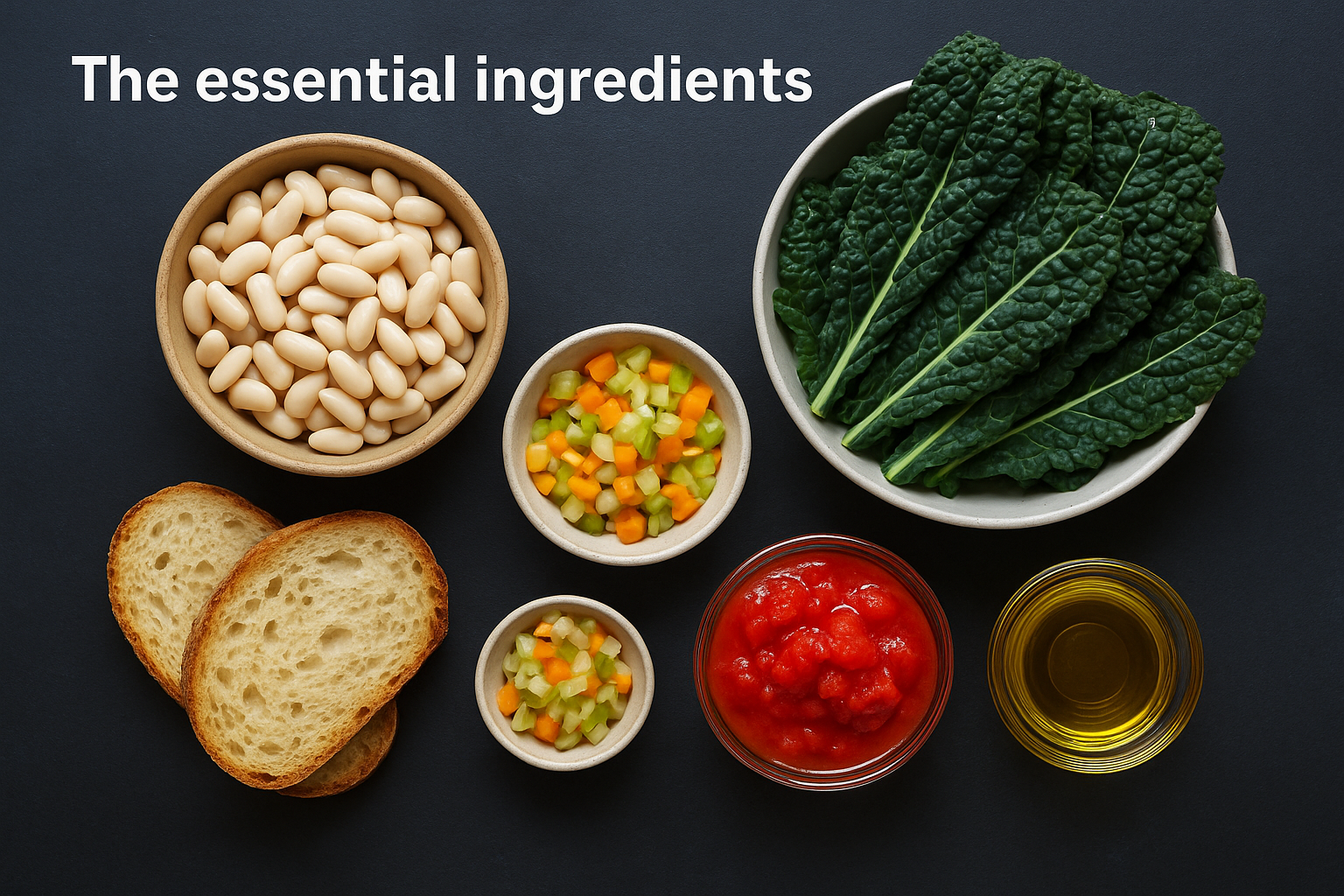
| Ingredient | Role in the dish |
|---|---|
| Cannellini beans | Protein, body, creaminess |
| Cavolo nero (Tuscan kale) | Color, texture, slight bitterness |
| Day-old bread | Thickness, substance |
| Soffritto (carrot, celery, onion) | Flavor foundation |
| Canned tomatoes | Acidity, depth |
| Olive oil | Richness, finish |
Smart substitutions to know
You don’t need to track down every traditional ingredient to make a solid ribollita at home. Borlotti beans or great northern beans work well in place of cannellini beans and hold their shape similarly during cooking. If cavolo nero is unavailable, curly kale or savoy cabbage both deliver a comparable texture and similar nutrient profile without dramatically changing the flavor.
For the bread, avoid anything soft or seasoned. Ciabatta, pain de campagne, or any rustic white loaf that has dried out overnight will give you the right results. Steer clear of sandwich bread, as it turns gummy rather than thick.
Step 1. Build the flavor base and broth
Start here, and you set the tone for everything that follows. The soffritto is the flavor foundation of ribollita, and getting it right takes about 10 minutes of focused cooking. This step is where you build the deep, savory base that makes the finished stew taste like it has been going all afternoon.
Build the soffritto first
Dice two medium carrots, two celery stalks, and one large onion into roughly equal pieces. Heat three tablespoons of good olive oil in a large, heavy-bottomed pot over medium heat. Add the vegetables and cook them for 8 to 10 minutes, stirring occasionally, until they soften and the onion turns translucent. Then add three minced garlic cloves and a sprig of fresh rosemary or thyme, and cook for another two minutes.
Resist the urge to rush this step. A properly cooked soffritto pulls natural sweetness out of the vegetables and gives the broth a depth that no amount of seasoning can fix later.
Once the aromatics are ready, add one 14-ounce can of crushed tomatoes and stir it into the soffritto. Let the tomatoes cook down for five minutes before adding any liquid.
Add the broth and season early
Pour in five to six cups of vegetable broth (or chicken broth if you prefer a richer base). Bring the pot to a gentle boil, then lower the heat to a steady simmer. Season with salt, black pepper, and a pinch of red pepper flakes at this stage, not at the end. Early seasoning lets the broth absorb flavor as it reduces, which is a core principle behind what is ribollita soup and why it layers so well with each additional ingredient.
Step 2. Add beans, greens, and bread for thickness
With your broth simmering and the flavor base ready, this step is where ribollita takes shape. Beans, dark greens, and bread each go in at different times, and the sequence matters. Adding them in the right order gives each ingredient enough time to contribute properly to the final texture without losing their individual character.
Add the beans and greens
Drain and rinse two 15-ounce cans of cannellini beans before adding them to the pot. Add roughly two-thirds of the beans whole, then use a fork to mash the remaining third directly in the can before stirring them in. This combination creates both a creamy, thickened broth and intact beans that hold their shape through the rest of the cooking process.
Mashing a portion of your beans is one of the simplest ways to understand what is ribollita soup: it produces that naturally thick, stew-like body without any flour or cream involved.
Next, add roughly four cups of cavolo nero (stripped from the stems and torn into pieces) and stir it into the pot. Let everything simmer together for 20 to 25 minutes, until the greens are fully tender and the broth has reduced slightly.
Layer in the bread
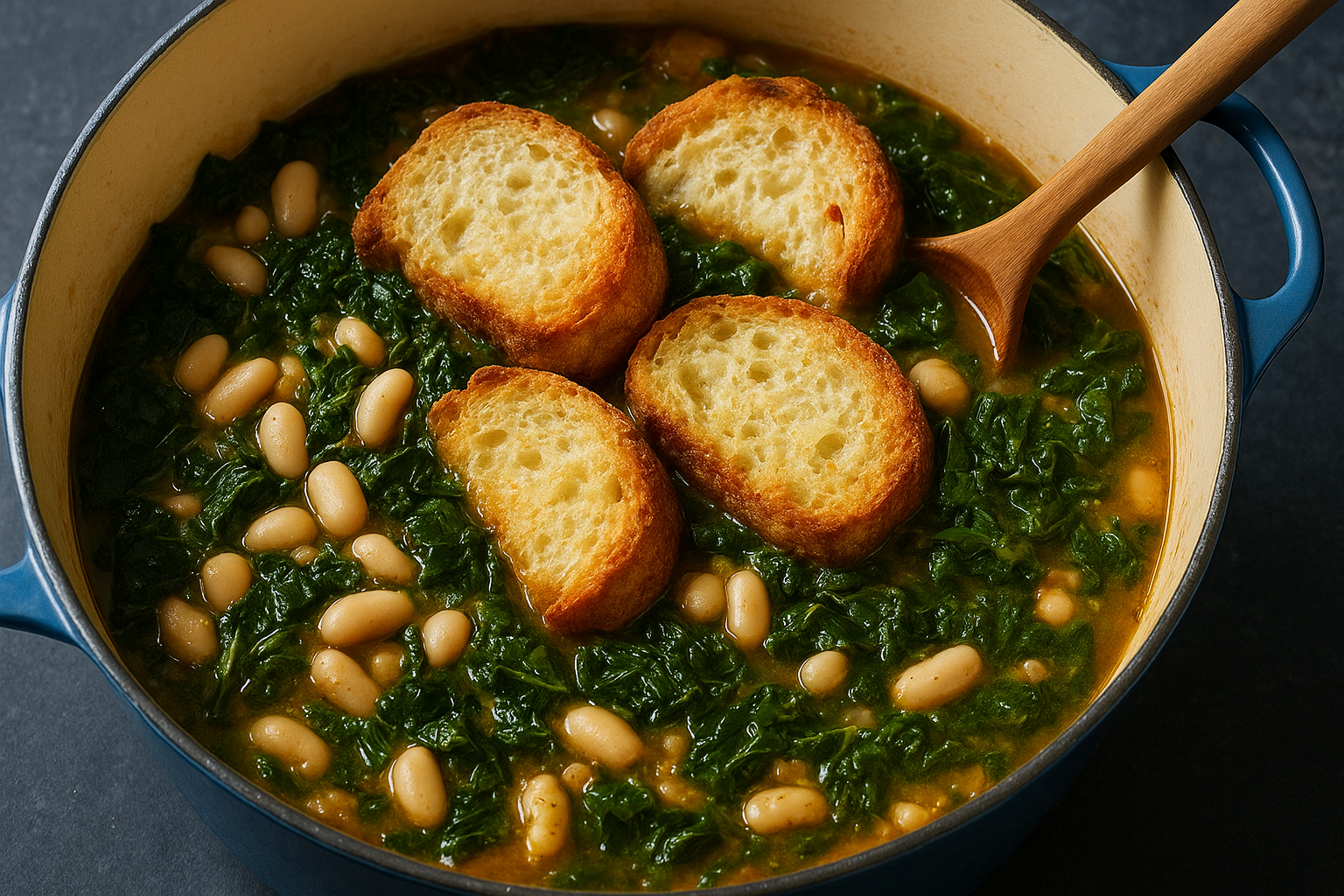
Tear or slice five to six thick pieces of day-old bread and lay them across the top of the pot. Press them gently into the liquid so they absorb the broth rather than float on the surface. Cook uncovered for another 10 minutes, until the bread softens completely and begins to break down into the stew. Stir once or twice to work the bread fully into the mixture, then remove the pot from heat and let it rest before serving or refrigerating overnight.
Step 3. Serve, store, and reheat it the right way
Understanding what is ribollita soup means recognizing that how you serve and store it is just as important as how you cook it. This final step determines whether you get a good bowl of Tuscan stew or a genuinely memorable one.
Serving ribollita at the table
Ladle the stew into wide, shallow bowls that give the thick consistency room to spread slightly without pooling. Finish each bowl with a generous drizzle of high-quality extra-virgin olive oil poured directly over the top right before serving. That final oil adds richness and a fresh, grassy note that cuts through the density of the bread and beans.
The contrast between a hot bowl of ribollita and a cool drizzle of raw olive oil is one of the defining moments of the dish.
You can also add a light grating of Parmigiano-Reggiano and a few torn fresh basil leaves for brightness. Serve it with a piece of toasted bread on the side for textural contrast, especially on the first day before the bread fully breaks into the stew.
How to store and reheat
Transfer your leftovers into an airtight container and refrigerate within two hours of cooking. Ribollita keeps well for up to four days in the fridge, and the flavor genuinely improves with each passing day as the bread and broth continue to meld.
To reheat, add the stew to a pot over medium-low heat with a small splash of water or broth to loosen the consistency. Stir frequently and bring it to a steady simmer for five to eight minutes before serving. Avoid using a microwave if possible, since the uneven heat tends to dry out the bread and flatten the texture you built in the previous steps.
Bring ribollita to your table
Now you know what is ribollita soup in full: a Tuscan bread and bean stew built on resourcefulness and slow cooking, with the honest truth that leftovers can taste better than the original. The steps are straightforward, the ingredients are affordable, and the technique rewards anyone willing to plan a day ahead and trust the process.
Start with a solid soffritto, use good-quality bread that has dried out overnight, and don’t skip the overnight rest. That second heating is where ribollita earns its name and delivers its best, most concentrated flavor. Your patience is the ingredient that ties everything together.
When you want to experience what authentic Italian cooking looks like beyond your own kitchen, visit La Dolce Vita Cucina in Chicago’s Portage Park neighborhood. Our menu carries the same spirit of traditional Italian food made with care, and we’d love to share it with you.