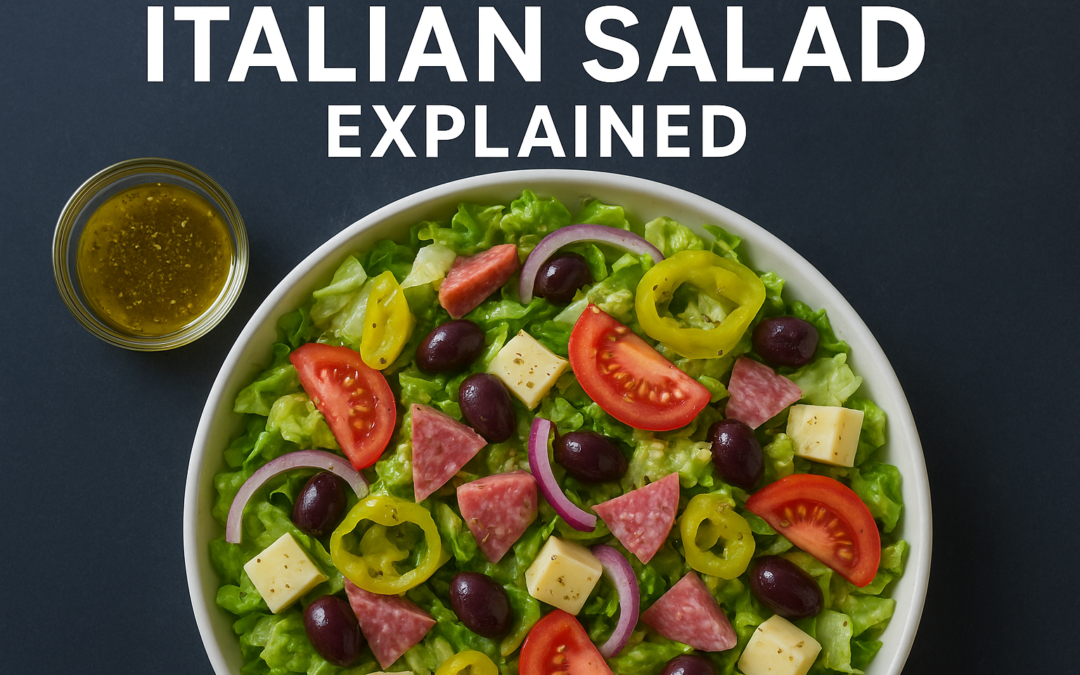
If you’ve ever sat down at an Italian-American restaurant and wondered what is an Italian salad, you’re not alone. It’s one of those dishes that shows up on nearly every menu, yet few people can pin down exactly what separates it from, say, a garden salad or a Caesar. The answer comes down to a specific combination of ingredients, think sharp pepperoncini, briny olives, cured meats, and a punchy vinaigrette, that give this salad its unmistakable character.
At La Dolce Vita Cucina in Chicago’s Portage Park neighborhood, we build our Italian dishes around the same traditions that make this salad a staple. We know these flavors inside and out because we work with them every day, from our homemade pastas to our house-made dressings.
This guide breaks down everything that goes into a classic Italian salad: the core ingredients, what makes it different from other salads, and a straightforward recipe so you can put one together at home. Whether you’re planning a weeknight dinner or prepping for a gathering, you’ll walk away knowing exactly how to get it right.
What an Italian salad is and is not
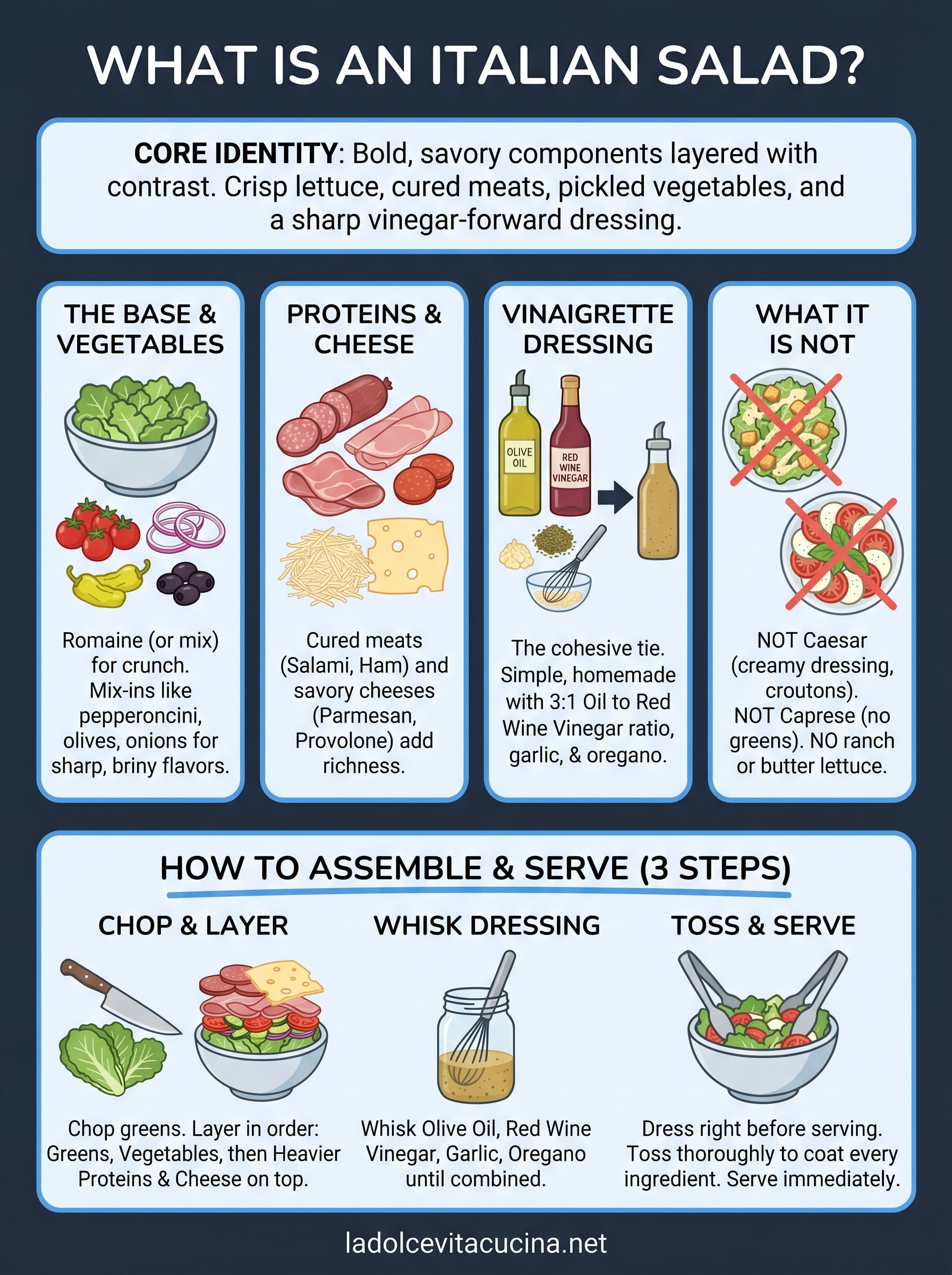
When people ask what is an Italian salad, they usually expect a simple answer, but the reality is that this dish has both clear defining traits and a fair amount of flexibility. The core identity of an Italian salad centers on bold, savory components layered together: crisp lettuce, cured meats or proteins, pickled vegetables, and a vinegar-forward dressing. It’s not a subtle dish. Every bite delivers contrast, fat from the olives, acid from the pepperoncini, and brightness from the dressing.
What defines an Italian salad
This salad is built around a few non-negotiable elements that you’ll find in nearly every version. Romaine lettuce or a chopped mix forms the base, and on top of that you layer pepperoncini, black or green olives, red onion, and a vinaigrette made with red wine vinegar and olive oil. Many versions also include salami, ham, or other Italian deli meats, along with tomatoes and shredded Parmesan or provolone. The combination is intentional: salty, tangy, and hearty enough to work as a first course or a full meal on its own.
The vinaigrette is what ties everything together. Without it, you just have a pile of ingredients. With it, the whole salad has a single, cohesive identity.
Proportions matter more than most people expect. You want enough dressing to coat every leaf and ingredient, but not so much that the salad turns soggy. A well-made Italian salad should hold up for a few minutes at the table without losing its crunch and texture. The recipe steps below walk you through exactly how to hit that balance.
What an Italian salad is not
A common point of confusion is the Caesar salad, but these two dishes are completely different. The Caesar relies on a creamy, anchovy-based dressing and leans almost entirely on romaine and croutons for its structure. An Italian salad skips the cream and builds flavor through vinegar, oil, and pickled ingredients instead. It’s also not a Caprese, which is a separate dish built around fresh mozzarella, sliced tomatoes, and basil, with no leafy greens involved.
You also won’t find ranch dressing, croutons, or creamy components in a traditional Italian salad. Swapping those in changes the character of the dish entirely. What gives an Italian salad its identity is the tension between sharp, pickled elements and rich olive oil, and that balance disappears the moment you reach for ingredients from other salad traditions.
Common Italian salad ingredients
Understanding what is an Italian salad becomes much clearer once you see its ingredients laid out by category. Each component has a specific job, and knowing that job helps you make smart substitutions without stripping the dish of its character.
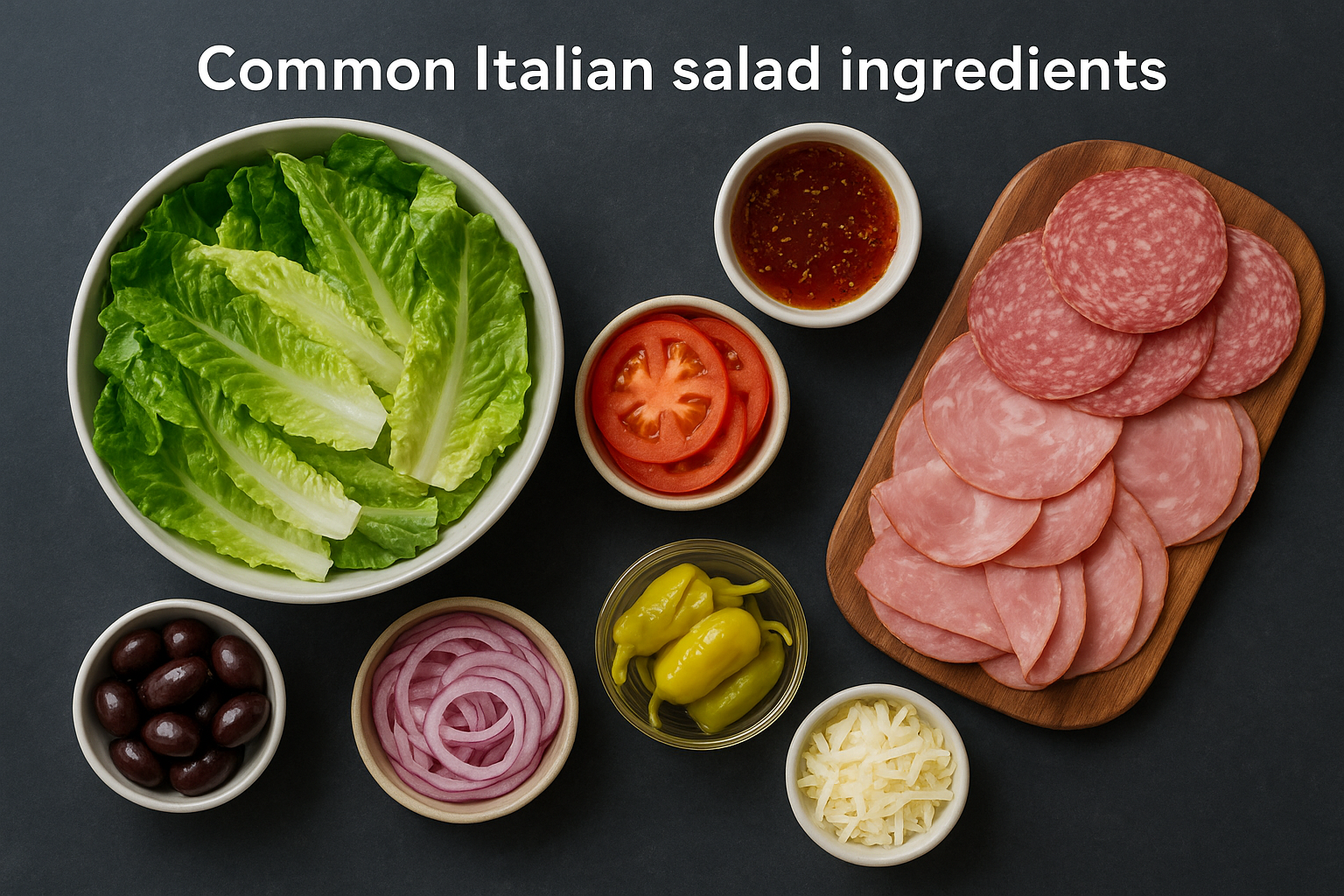
Skip even one of the core categories and the salad loses its balance. The interplay between briny, acidic, and rich ingredients is what makes it work.
The base and vegetables
Romaine lettuce is the most traditional green, though many recipes combine romaine and iceberg for extra crunch. The vegetables you add on top are what give the salad its sharp personality:
- Tomatoes for sweetness and color
- Red onion for bite
- Pepperoncini for pickled heat
- Black or Kalamata olives for brine and richness
Proteins, cheese, and dressing
Salami and ham are the standard meat choices, though pepperoni works just as well. Cheese-wise, shredded Parmesan or sliced provolone adds a salty, nutty layer that pulls everything together. Here is a quick reference for the full ingredient lineup:
| Category | Common Options |
|---|---|
| Greens | Romaine, iceberg, or a chopped mix |
| Vegetables | Tomatoes, red onion, pepperoncini, olives |
| Proteins | Salami, ham, pepperoni |
| Cheese | Parmesan, provolone |
| Dressing | Olive oil, red wine vinegar, garlic, oregano |
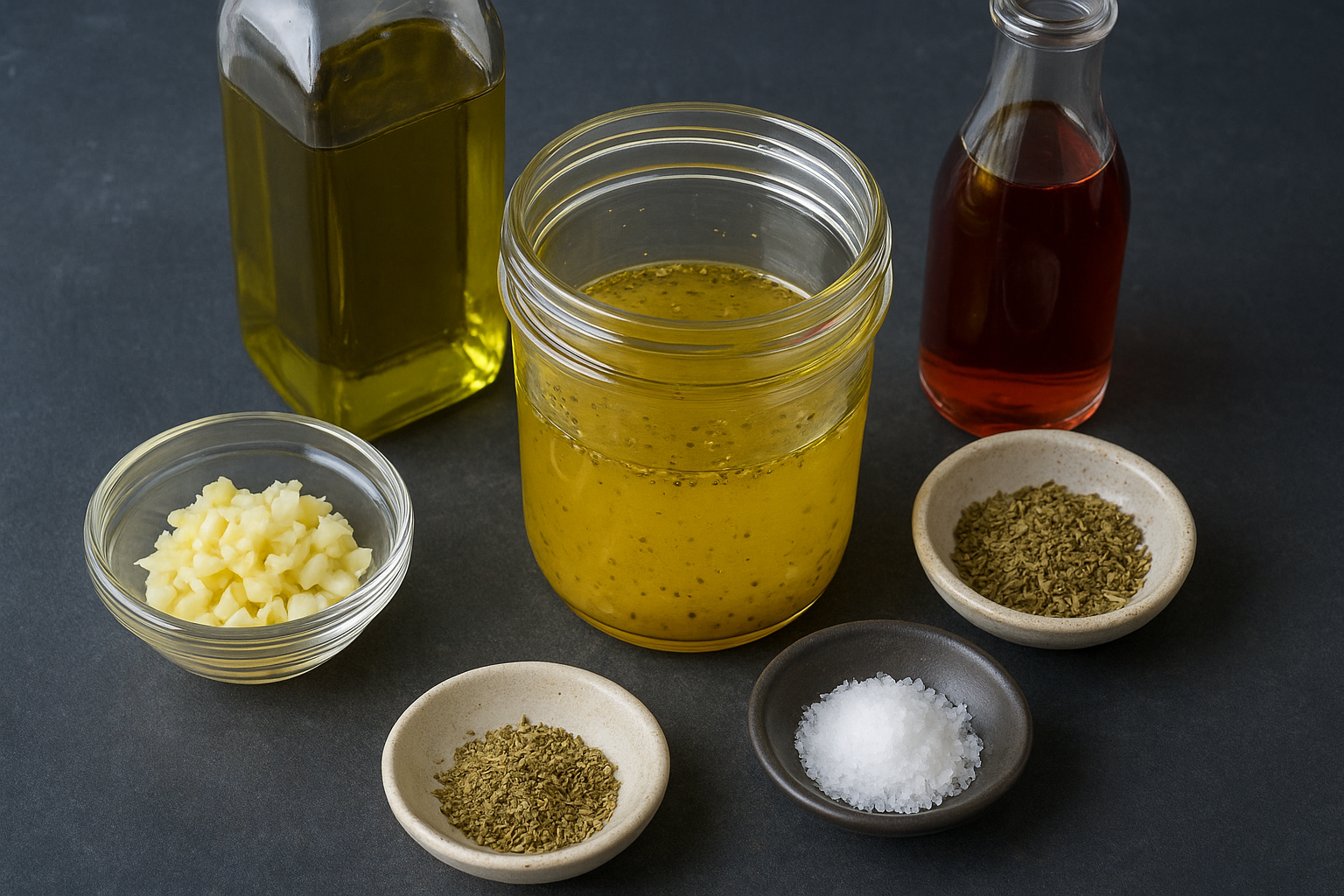
The dressing relies on olive oil and red wine vinegar as its base, with dried oregano and minced garlic for depth. You whisk it together in under two minutes, and it keeps in the refrigerator for up to one week.
Step 1. Choose your greens and mix-ins
The first decision you make sets the foundation for everything else. Romaine lettuce is the traditional choice because it holds up well under dressing, but combining romaine with iceberg gives you extra crunch that survives a few minutes at the table without turning soft.
Chop your greens into bite-size pieces before building the salad. Whole leaves are harder to eat and make it difficult for the dressing to reach every ingredient evenly.
Pick your lettuce base
Your lettuce choice directly affects the texture of the finished salad. Chopped romaine delivers a firm, slightly bitter bite that pairs well with a sharp vinaigrette. If you want a lighter, crunchier base, a 50/50 mix of romaine and iceberg is how many Italian-American restaurants build their salads. Avoid butter lettuce or spinach here; they wilt too quickly and lack the structure this salad needs.
Layer in the mix-ins
Once you have your greens, it is time to add the ingredients that answer the question of what is an Italian salad in practical terms. These are the components that give the dish its personality:
- Pepperoncini (3 to 4 per serving): sliced or left whole
- Kalamata or black olives: roughly 6 to 8 per serving
- Red onion: thinly sliced, about 2 tablespoons per serving
- Cherry or Roma tomatoes: halved or quartered
- Salami or ham: 4 to 6 thin slices per serving
- Provolone or Parmesan: shredded or sliced thin
Add your ingredients in this order so heavier items like meat and cheese sit on top where they stay visible, and each layer gets coated evenly when you toss everything with the dressing.
Step 2. Make a classic Italian vinaigrette
The dressing is what takes a bowl of vegetables and meats and turns it into something that answers the question of what is an Italian salad. Red wine vinegar and olive oil form the base, but the ratio you use and the additions you whisk in are what separate a flat, one-note dressing from one that actually has depth and punch.
Get the ratio right first. A good Italian vinaigrette runs about 3 parts olive oil to 1 part red wine vinegar, and adjusting from there is much easier than starting over.
The ingredient list and ratios
You need just a handful of pantry staples to make this dressing from scratch. The full recipe below scales easily for two servings or a larger group:
| Ingredient | Amount (2 servings) |
|---|---|
| Olive oil | 3 tablespoons |
| Red wine vinegar | 1 tablespoon |
| Garlic, minced | 1 small clove |
| Dried oregano | 1/2 teaspoon |
| Salt | 1/4 teaspoon |
| Black pepper | 1/4 teaspoon |
How to mix it
Add all ingredients to a small jar or bowl and whisk or shake until fully combined. Taste the dressing before you dress the salad. If it feels too sharp, add a small drizzle of olive oil to mellow the acidity. If it tastes flat, a pinch more salt or a few extra drops of vinegar will bring it back into balance.
Store the dressing in a sealed jar in the refrigerator for up to one week. Give it a quick shake before each use since the oil and vinegar will separate as it sits.
Step 3. Assemble, serve, and store
With your greens, mix-ins, and vinaigrette ready, the final step is where everything comes together. This stage answers the last practical part of understanding what is an Italian salad: not just what goes in it, but how you put it together so it actually tastes the way it should at the table.
Dress the salad right before you serve it, never in advance. Once the vinaigrette hits the greens, the clock starts on texture.
How to assemble and serve
Place your chopped greens in a large bowl and add all your mix-ins on top. Pour about two-thirds of your vinaigrette over the salad and toss everything together using tongs or two large spoons. Check the coating on the leaves and add the remaining dressing if needed. You want every leaf and ingredient lightly coated, not swimming in oil.
Serve the salad immediately on chilled plates. Finishing with a pinch of dried oregano or shaved Parmesan on top adds a clean visual layer and a small burst of flavor at first bite.
How to store leftovers
Storing an Italian salad correctly keeps the components from turning into a soggy mess. Follow these steps if you need to save any for later:
- Keep the dressing separate until you’re ready to eat
- Store undressed greens and mix-ins in an airtight container in the refrigerator
- Consume within 24 hours for best texture
- Toss meat and cheese separately from the greens if prepping ahead
Do not freeze any component of this salad. The greens and tomatoes will lose their structure entirely.
Ready to make your own?
Now you have a complete answer to what is an Italian salad and a recipe you can put together in under 20 minutes. The key is sticking to the right ingredients: romaine, pepperoncini, olives, cured meats, and a red wine vinaigrette made from scratch. Each component has a specific job, and when you get the proportions right, the salad holds together from the first toss to the last bite.
If you want to taste a version made with real care before you try it at home, come see what we do with Italian food at La Dolce Vita Cucina in Chicago’s Portage Park neighborhood. From homemade pastas to house-made dressings, every dish follows the same principle this salad does: quality ingredients, handled well. Visit La Dolce Vita Cucina to check our menu, book a table, or order online.