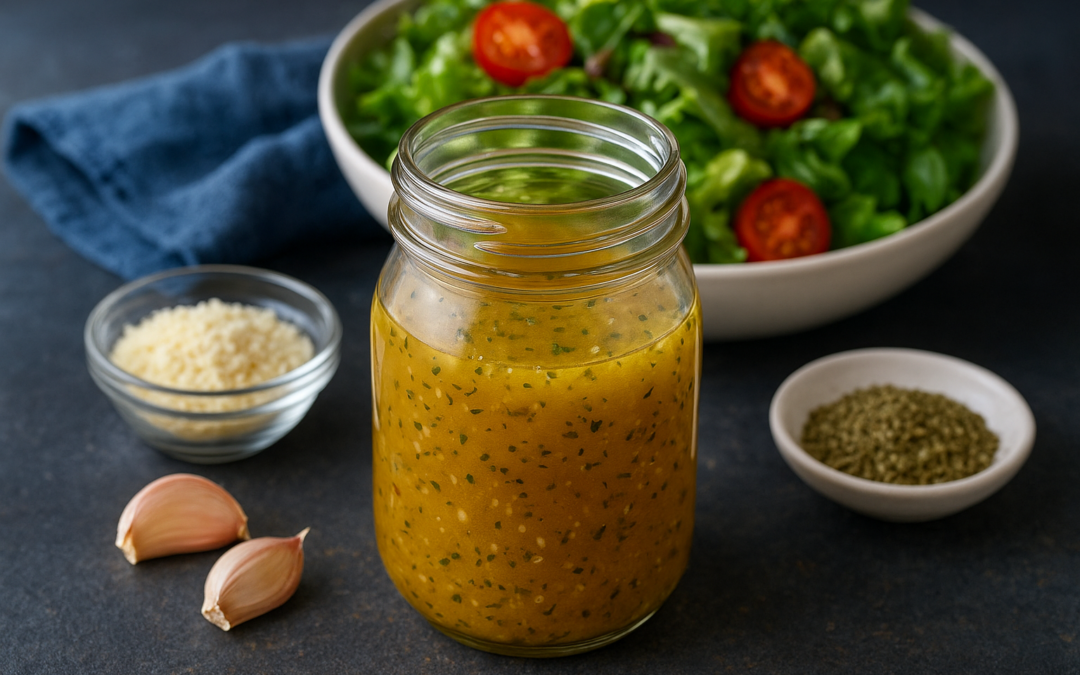
A great Italian salad lives or dies by what you drizzle on top. You can have the crispest romaine, the ripest tomatoes, and the sharpest Parmigiano, but a flat or overly processed dressing will drag the whole thing down. Finding the best Italian salad dressing comes down to understanding what makes one actually taste like it belongs on an Italian table: quality oil, real acid, and balanced seasoning.
At La Dolce Vita Cucina, our kitchen in Chicago’s Portage Park neighborhood runs through Italian dressing daily, tossed over fresh greens, used as a marinade, spooned alongside antipasti. We know what separates a dressing worth making from scratch from one that’s just fine out of the bottle. And honestly, both have their place depending on the night and how much time you’ve got.
This guide covers our go-to homemade Italian dressing recipe, the kind we’d actually use, along with a breakdown of the best store-bought Italian dressings worth keeping in your fridge. Whether you want to shake something together in two minutes or grab a reliable bottle at the grocery store, you’ll walk away with a clear answer either way.
What makes an Italian dressing the best
Not every dressing labeled "Italian" earns the title. The best Italian salad dressing has a specific character: bright, tangy, herbaceous, and smooth without tasting muddy or flat. Before you make or buy anything, it helps to understand the four elements that separate a dressing worth using from one that gets pushed to the back of the fridge after the second try.
The oil you use sets the ceiling
Oil is the base of every Italian dressing, and it does more than just carry the other flavors. Extra virgin olive oil brings grassy, peppery notes that cheaper vegetable or canola oil simply cannot replicate. When you use a good EVOO, the dressing has body and natural depth even before you add a single herb. A light or refined olive oil works if you want something milder, but the flavor will be noticeably thinner.
You don’t need a fancy finishing oil reserved for drizzling. A mid-range extra virgin olive oil from Italy, Spain, or California does the job well. Look for one that smells fruity or grassy rather than waxy or neutral. If the oil smells like nothing in particular, the dressing you build on top of it will follow suit.
The acid needs to be the right kind
Red wine vinegar is the traditional choice in Italian dressing, and it works because it has enough bite to cut through oil without overwhelming the palate. Some recipes call for lemon juice, which adds a lighter, fresher note. Many cooks use a combination of both, and that tends to produce a more layered, interesting result than either alone.
Acid is not just about sourness. It lifts the other flavors and keeps the dressing from tasting heavy or one-dimensional.
Avoid making white distilled vinegar your primary acid. It reads too sharp and clinical, which conflicts with the rounded, savory profile Italian dressing is known for. Apple cider vinegar is another option but leans slightly sweet, which pulls the overall character in a different direction.
Herbs and seasoning carry the identity
This is where Italian dressing becomes recognizably Italian. Dried oregano, garlic, and basil form the core of the seasoning. You can use fresh herbs, but dried ones distribute more evenly and hold up better over time, especially if you make a batch to last a few days. Garlic can go in as a fresh pressed clove or as garlic powder, depending on how prominent you want that flavor to land.
Extras like onion powder, dried parsley, and a pinch of red pepper flakes round things out without pushing the dressing into a different flavor territory. Grated Parmigiano-Reggiano or Pecorino Romano stirred into the base adds a savory, salty depth that no bottled version quite replicates, no matter how long the ingredient list runs.
The ratio ties everything together
The classic oil-to-acid ratio for Italian dressing is 3 to 1, meaning three parts oil to one part acid. This is a starting point, not a rule. If you prefer a sharper dressing, pull that ratio closer to 2 to 1. If you want something smoother and less aggressive on the palate, move toward 4 to 1. Your preference and what you are dressing should drive the final balance more than any fixed formula.
A small amount of Dijon mustard or a half teaspoon of honey stirred into the base helps emulsify the oil and vinegar so the dressing holds together longer rather than separating the moment you set the bowl down.
Step 1. Make a balanced homemade Italian dressing
Making your own Italian dressing takes less than five minutes and gives you complete control over every flavor in the jar. Once you make it at home, most store-bought versions will feel like a compromise. This recipe produces what we consider the best Italian salad dressing baseline: bright, herby, and clean enough to work across multiple uses without tweaking anything.
The base recipe
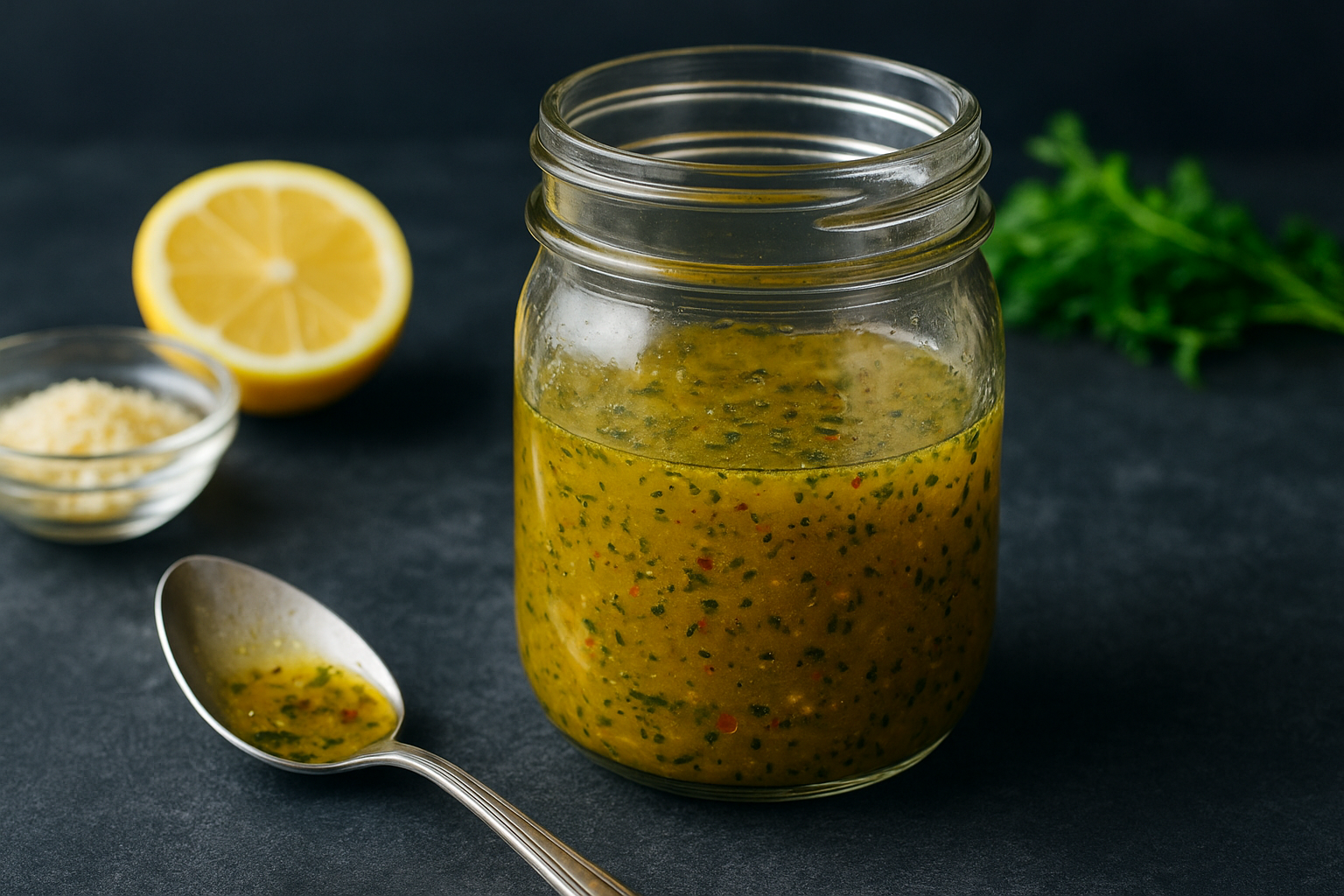
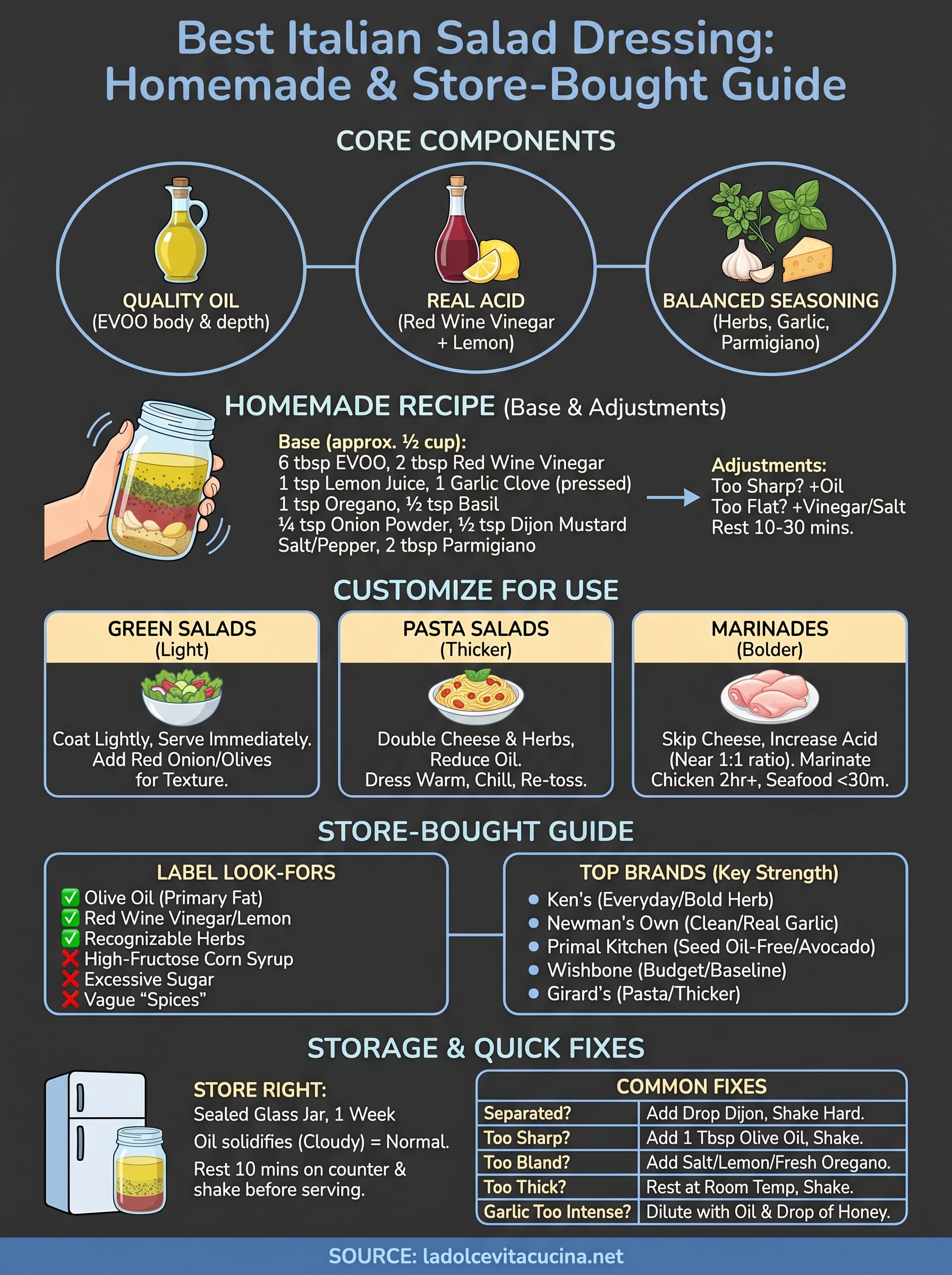
Start with these measurements to make roughly half a cup of dressing, which coats two to three large salads comfortably:
- 6 tablespoons extra virgin olive oil
- 2 tablespoons red wine vinegar
- 1 teaspoon fresh lemon juice
- 1 clove garlic, pressed or finely minced
- 1 teaspoon dried oregano
- ½ teaspoon dried basil
- ¼ teaspoon onion powder
- ¼ teaspoon red pepper flakes (optional)
- ½ teaspoon Dijon mustard
- Salt and black pepper to taste
- 2 tablespoons grated Parmigiano-Reggiano (optional but recommended)
Add all ingredients to a jar with a tight-fitting lid. Shake hard for 20 to 30 seconds until everything comes together. The Dijon mustard acts as an emulsifier, which keeps the dressing holding its texture longer than a standard oil-and-vinegar mix tends to. Taste before serving and adjust the acid or salt if something feels off before it goes anywhere near the greens.
A pressed garlic clove gives you a sharper, more pronounced flavor than garlic powder, so use the fresh version when you have it available.
How to adjust the flavor before you serve
Your dressing should taste slightly more intense straight from the jar than you want it on the finished salad, because the greens and vegetables dilute it once tossed. If the dressing tastes too sharp, add another tablespoon of olive oil and shake again. If it tastes flat or too mild, a small splash of red wine vinegar and a pinch more salt usually corrects that quickly.
Resting time is something many home cooks skip, but it matters. Let the dressing sit for at least ten minutes before serving. The dried herbs absorb the oil and soften slightly, and the raw garlic mellows enough to blend into the background rather than sitting sharp at the front. If you can prepare it 30 minutes ahead, you will taste the difference.
Step 2. Customize it for salads, pasta, and marinades
The base recipe you just made works well straight out of the jar, but small adjustments change how it performs depending on what you are dressing. The best Italian salad dressing is one that fits the dish, not a fixed formula applied identically to everything. Each use case below calls for a slightly different balance, and knowing those differences keeps the dressing from tasting the same whether it hits lettuce or raw chicken.
For green salads: keep it light
When you are tossing crisp greens, the goal is a dressing that coats the leaves without weighing them down. Use the base recipe as written, but apply just enough dressing so nothing pools at the bottom of the bowl. A reliable rule: start with two tablespoons per two large handfuls of greens, toss thoroughly, then add more only if the leaves still look dry.
Always dress your salad immediately before serving, not in advance, so the greens stay crisp and nothing turns soggy.
Add thinly sliced red onion, Kalamata olives, and jarred pepperoncini to give the salad texture and contrast that pairs naturally with the dressing’s herb notes.
For pasta salads: thicken and extend the flavor
Pasta salad needs a heavier hand with seasoning because cooked noodles absorb a significant portion of the dressing as they cool. Double the Parmigiano-Reggiano in your base recipe, add an extra half teaspoon of dried oregano, and reduce the oil by one tablespoon to push the acid forward slightly. Dress warm pasta immediately after draining so the noodles absorb flavor while still porous, then add a second light coat before serving.
Use this template for every half-pound of cooked pasta:
- Base dressing recipe, doubled in full
- Add 1 extra tablespoon red wine vinegar
- Add 1 extra pressed garlic clove
- Toss while warm, refrigerate, re-toss before serving
For marinades: go bolder and skip the cheese
When you use Italian dressing as a marinade for chicken, shrimp, or vegetables, remove the Parmigiano-Reggiano entirely since dairy does not hold up over heat. Instead, increase the acid to a near 1-to-1 ratio with the oil. This concentration breaks down protein fibers and drives herb flavor deeper into the meat. Marinate chicken thighs for at least two hours, and shrimp for no more than 30 minutes since acid cooks delicate seafood quickly if left too long.
Step 3. Pick the best store-bought Italian dressing
Homemade dressing wins on flavor every time, but a reliable store-bought Italian dressing fills a real gap on busy nights when shaking a jar from scratch is not happening. The problem is that the grocery store aisle is full of bottles that taste more like sweet pickle brine than anything close to Italian cooking. Knowing what separates the good options from the forgettable ones makes the decision faster and keeps you from defaulting to whatever is on sale.
What to look for on the label
Before you pick a bottle, flip it over and read the ingredient list. A quality Italian dressing should list olive oil as the primary fat, not soybean or canola oil listed first. Red wine vinegar or a combination of vinegar and lemon juice should appear next. Garlic, oregano, and basil should show up as recognizable words rather than buried inside a vague "spices" catch-all at the end.
Watch out for high-fructose corn syrup or excessive sugar near the top of the list. A small amount of sugar is acceptable since it rounds out the acidity, but anything listing sweeteners as a primary ingredient will taste noticeably cloying once it hits your greens. Sodium levels are also worth a quick check, since many bottled dressings lean on salt to compensate for thin flavor.
A short, readable ingredient list usually means the brand is relying on actual flavor rather than chemical shortcuts.
The top brands worth buying
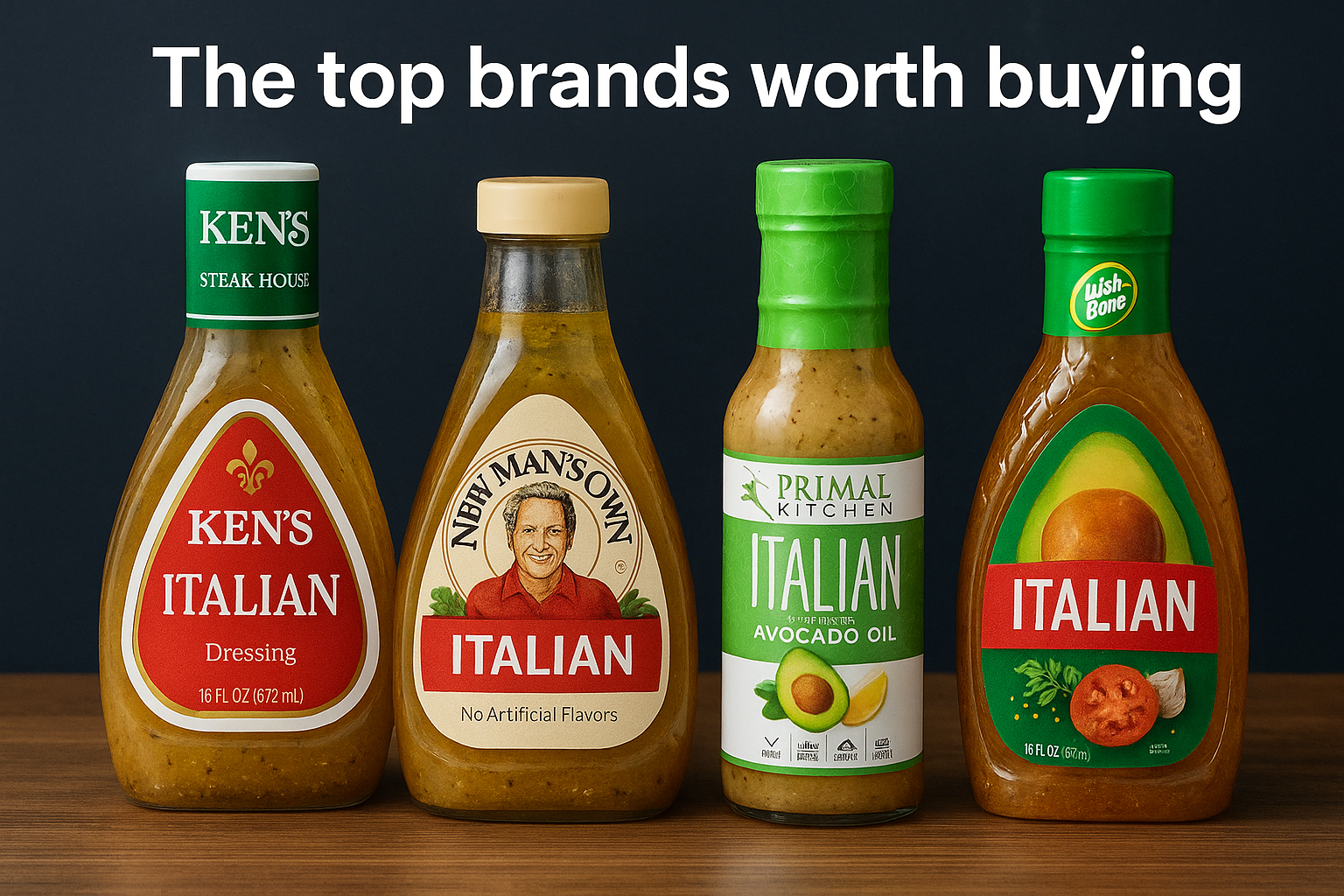
Finding the best Italian salad dressing at the store comes down to matching the brand to how you plan to use it. These options consistently perform well on both taste and ingredient quality:
| Brand | Best for | Key strength |
|---|---|---|
| Ken’s Steakhouse Italian | Everyday use | Bold herb flavor, widely available |
| Newman’s Own Italian | Clean ingredients | No artificial flavors, real garlic |
| Primal Kitchen Italian | Seed oil-free cooking | Avocado oil base, simple label |
| Wishbone Italian | Budget-friendly meals | Solid baseline flavor at low cost |
| Girard’s Italian | Pasta salads | Thicker consistency, coats well |
Ken’s Steakhouse Italian holds up the best across different uses and is easy to find at most grocery stores. Newman’s Own is the right pick if ingredient quality matters more to you than price. Primal Kitchen costs more but uses avocado oil instead of seed oils, which makes a real difference if you are already cooking with higher-quality fats at home.
Step 4. Store, serve, and fix common issues
Even the best Italian salad dressing you make from scratch loses quality fast if you store it incorrectly or pour it cold straight from the fridge without giving it a chance to come back together. The fixes for every common issue are simple, and knowing them keeps a solid batch from going to waste after the first use.
Store it correctly to extend the life
Homemade Italian dressing keeps well in the refrigerator for up to one week when sealed in a glass jar with a tight lid. Olive oil solidifies at cold temperatures, so your dressing will look cloudy and thick when you pull it from the fridge. That is completely normal behavior, not a sign anything has gone wrong. Set the jar on the counter for 10 minutes before serving and shake it firmly again to bring everything back together before it touches the greens.
Never store dressing in an open bowl covered with plastic wrap since air exposure dulls herb flavor quickly and shortens usable shelf life compared to a sealed container.
Store-bought Italian dressing follows the printed expiration date, but flavor drops off noticeably after about three weeks once the bottle is opened, even when refrigerated consistently. Treat that printed date as the outer limit rather than a quality guarantee for the full duration.
Fix the most common dressing problems
Every dressing problem has a straightforward solution once you identify what caused it. Use this reference to correct the most common issues before the dressing reaches the table:
| Problem | Cause | Fix |
|---|---|---|
| Dressing separated completely | No emulsifier or shaken too long ago | Add a small drop of Dijon, re-shake vigorously for 30 seconds |
| Too sharp or acidic | Too much vinegar relative to oil | Add 1 tablespoon olive oil, shake, re-taste |
| Too bland or flat | Under-seasoned or old dried herbs | Add salt, a squeeze of lemon, and a fresh pinch of oregano |
| Too thick to pour | Cold temperature solidified the oil | Rest at room temperature for 10 minutes, then shake |
| Garlic flavor too intense | Fresh garlic sat in acid too long | Dilute with more oil and a small touch of honey |
Tasting the dressing before it goes on your salad is the single habit that catches every one of these problems before they affect a full bowl. A quick 10-second taste and adjust step in the jar prevents a fixable flavor imbalance from becoming the worst part of an otherwise solid meal.
Conclusion
Finding the best Italian salad dressing comes down to a few decisions you make before anything hits the bowl: the quality of your oil, the right acid balance, and whether you have time to shake something from scratch or need a reliable bottle from the grocery store. Both paths work well when you know what to look for and what to avoid.
The homemade recipe in this guide gives you a repeatable, adjustable baseline you can use on greens, pasta, and marinades without starting over each time. The store-bought recommendations cut through a crowded aisle and land you on bottles that actually taste like they belong on an Italian table.
Ready to experience Italian cooking done right in a real dining room? Visit La Dolce Vita Cucina in Chicago’s Portage Park neighborhood. We bring the same attention to ingredients and balance to every plate we serve, from house-made pasta to fresh salads built with quality at the center.